
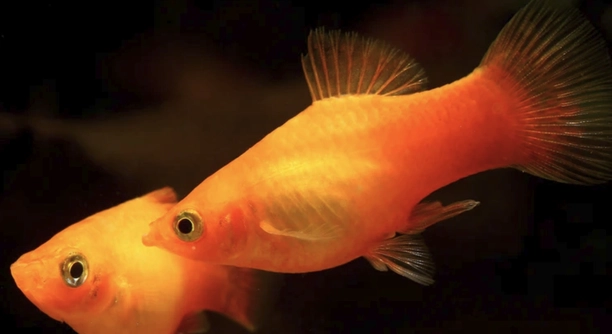
Platies are small, colorful fish popular in many home aquariums. They often show interesting behaviors, including sticking to one particular area in their tank. Understanding why they do this can help keep them healthy and happy.
Platies tend to focus on one area due to factors such as food availability, water conditions, or territorial behavior. This concentration helps them feel secure and meet their basic needs in the environment. Observing these signs can reveal underlying causes.
Knowing the reasons behind this behavior helps improve tank setup and care. It also supports a better environment for your platies to thrive comfortably.
Common Reasons Platies Favor One Spot
Platies often gather in one area because it offers something important to them. This could be where food is consistently available, or where water conditions are most comfortable. Sometimes, a plant or decoration provides shelter, making them feel safe. If the water flow is gentle there, platies may prefer it to avoid strong currents. In some cases, they mark a spot as their territory, especially males protecting their space. It’s also possible that the temperature varies slightly in different tank parts, and platies seek their preferred warmth. Monitoring your tank setup can reveal why they concentrate in one place. Changing the arrangement or adjusting water flow can encourage them to explore more.
Observing their behavior regularly helps spot any changes. If they seem stressed or unhealthy, it might relate to this favored spot.
A stable, comfortable area in the tank reassures platies. Knowing their needs makes it easier to maintain balance and health in the aquarium.
How Tank Setup Affects Platy Behavior
Tank conditions strongly influence where platies spend time. When the setup lacks hiding spots or food is only offered in one place, platies will naturally gather there. Uneven temperature or poor water circulation can also cause them to avoid other areas. To encourage movement, distribute food evenly and add plants or decorations throughout the tank. This creates multiple attractive spots and reduces crowding. Regular cleaning and testing ensure water quality is consistent everywhere. Proper lighting can also play a role by making some parts more inviting. Paying attention to these details supports platies’ natural behavior and overall wellbeing.
Feeding Habits and Their Impact
Platies often stay where food is most abundant. They quickly learn feeding times and locations, returning there consistently. This habit can make them seem obsessed with one area.
If food is always dropped in one spot, platies will gather there and ignore other parts of the tank. Uneven feeding can cause competition and stress among fish. To avoid this, spread food around or use automatic feeders that distribute evenly. This encourages natural foraging behavior and reduces crowding. Feeding in multiple spots also promotes activity and exploration, improving their overall health. Consistency in feeding times helps maintain their routine but varying locations keeps them more balanced.
Healthy feeding routines benefit platies’ behavior. Watching how they respond to food distribution can reveal much about their preferences and needs in the aquarium.
Water Quality and Environmental Comfort
Poor water quality makes platies avoid certain tank areas. They naturally seek spots with cleaner water and stable conditions. Uneven filtration or aeration creates zones they prefer or avoid. Testing water regularly is essential for spotting issues. Removing waste, excess food, and debris improves comfort. Maintaining balanced pH, temperature, and oxygen levels keeps platies active throughout the tank. Adding plants or decorations can help improve water flow and oxygenation in neglected areas. When the environment is right, platies explore freely and behave normally. Neglecting water quality leads to stress, illness, and abnormal habits like staying in one place. Proper tank care is the foundation of their well-being and activity.
Territorial Behavior in Platies
Platies sometimes claim a specific area as their territory. This behavior is common among males during breeding or when feeling threatened.
Territorial fish may chase others away from their spot. This helps reduce competition but can cause stress if space is limited.
The Role of Lighting
Lighting affects where platies like to spend time. Bright lights may push them toward shaded areas or plants.
Adjusting light intensity and duration creates a more comfortable environment. A balanced light cycle supports natural behavior and activity levels in platies.
Plant Coverage and Hiding Spots
Plants provide shelter and security for platies. They often gather near dense foliage to feel safe and reduce stress.
Providing a variety of plants encourages natural exploration and creates multiple favored areas in the tank.
FAQ
Why do my platies only stay in one corner of the tank?
Platies often choose one corner because it offers the best conditions for them. This might be a calm spot with less water flow or where food is regularly placed. Sometimes, it’s the warmest area or the place with the most hiding spots. If the tank has uneven lighting or poor water circulation, fish naturally gather where they feel safest. Checking water quality and improving tank layout usually helps them spread out more evenly.
Is it normal for platies to be territorial?
Yes, some platies, especially males, can be territorial. They mark spaces to protect themselves or breeding areas. This behavior is natural but can cause tension if the tank is too small or crowded. Adding plants or decorations to break up open spaces can reduce aggression. Providing enough room for all fish to establish their own space is important to keep peace.
Can poor water quality cause platies to stick to one spot?
Absolutely. Platies avoid areas where water quality is poor, such as places with debris buildup or low oxygen. Uneven filtration might create pockets of bad water. Regular water testing and cleaning help maintain consistent conditions. Ensuring good aeration and circulation throughout the tank keeps platies comfortable and encourages them to swim freely.
How does feeding influence platies’ location preferences?
Platies quickly learn where food is given and tend to return there. If food is always dropped in one spot, they’ll gather there out of habit. Spreading food around or feeding in different places encourages natural foraging behavior. This reduces competition and helps distribute the fish evenly across the tank.
Why do platies prefer shaded or planted areas?
Platies feel safer near plants and shaded spots because these offer protection from light and potential threats. Dense plants also provide places to hide and rest. Including plenty of live or artificial plants improves their environment and reduces stress. It also encourages exploration rather than staying fixed in one place.
What can I do if my platies are too focused on one area?
Try spreading food around the tank and adding more plants or decorations in different spots. Check water flow and improve circulation to avoid stagnant zones. Regular cleaning and water testing ensure the whole tank is comfortable. Adjust lighting to balance bright and shaded areas. These changes encourage platies to explore and balance their time across the tank.
Could temperature differences cause platies to gather in one spot?
Yes, small temperature variations in the tank can influence where platies stay. They prefer consistent, warm water. Areas near heaters or away from cold drafts may attract them more. Using a reliable heater and monitoring temperature levels can help keep the whole tank evenly warm, encouraging platies to move freely.
Are platies social fish that like to stay together?
Platies are social and enjoy the company of their kind. They often swim in groups, which may explain why they gather in one place. However, if space is limited or conditions uneven, this group behavior can appear as obsession with one area. Giving them enough room and environmental enrichment promotes healthy social interaction and movement.
How important is tank size for platies’ behavior?
Tank size is very important. Smaller tanks limit swimming space and make platies compete for resources. This can cause them to crowd into one spot. Providing at least 10 gallons for a small group helps prevent this. Larger tanks with varied environments encourage natural behaviors and reduce stress-related issues like fixation on one area.
Can platies get stressed by too much activity or noise around the tank?
Yes, platies are sensitive to sudden changes or loud noises. If the tank is near high traffic or constant vibration, they may hide in one safe spot. Keeping the aquarium in a quiet area with stable conditions helps them feel secure and reduces stress. A calm environment encourages more natural, balanced behavior.
What role does water flow play in where platies spend time?
Water flow affects their comfort. Strong currents can tire platies, so they avoid fast-moving areas. Gentle flow zones become preferred resting spots. Adjusting filters or using flow directors helps create calm areas throughout the tank. This encourages platies to explore more instead of sticking to one low-current spot.
Platies are small fish with simple needs, but their behavior can sometimes seem confusing. When they stick to one area in the tank, it usually means they have found something important there. This could be food, comfort, safety, or even the right water conditions. Understanding why platies focus on one spot helps us create better living spaces for them. By paying attention to their habits, we can make sure their environment is healthy and comfortable.
Taking care of platies means looking at several factors at once. Food should be given evenly across the tank to encourage movement. Water quality needs regular checking to avoid poor conditions in certain areas. Adding plants or decorations creates hiding spots and helps break up the space, reducing any tension among the fish. Proper lighting and temperature also play a role in how platies use their tank. When these elements are balanced, platies tend to explore more and stay healthier overall. Watching them closely can give clues about what might need adjusting.
Each tank is different, so it may take some trial and error to find the best setup. Small changes, like moving decorations or spreading food, often make a big difference. Keeping the tank clean and monitoring water quality regularly will prevent problems before they start. Platies show their well-being through their behavior, and when they feel good, they are more active and curious. Creating a stable, comfortable environment supports their natural habits and helps them thrive in your aquarium.

Hello,
If you enjoy the content that we create, please consider saying a "Thank You!" by leaving a tip.
Every little bit helps us continue crafting quality advice that supports the health, happiness, and well-being of pets around the world, for pets of all shapes, sizes, and species.
We really appreciate the kindness and support that you show us!