
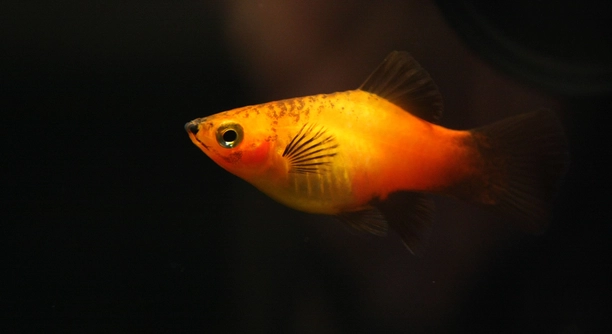
Platies are popular freshwater fish known for their peaceful nature and vibrant colors. Many hobbyists enjoy watching their breeding behavior as a sign of a healthy aquarium. Understanding what triggers platy breeding can improve care and success.
Several factors influence platy breeding behavior, including water temperature, diet, tank conditions, presence of males and females, lighting, stress levels, and overall fish health. These triggers create an environment that encourages reproduction and fry survival.
Knowing these triggers helps you create the right environment for platies to breed naturally. This article outlines the key factors that encourage platy breeding behavior.
Water Temperature and Breeding
Water temperature plays a key role in triggering platy breeding behavior. Ideally, platies breed best when the water temperature stays between 74°F and 78°F (23°C to 26°C). Temperatures within this range help activate their reproductive systems and encourage mating. If the water is too cold, platies may become less active and less interested in spawning. Conversely, water that is too warm can stress the fish, which reduces the chance of breeding. Maintaining a stable temperature is also important because sudden changes can cause stress, delaying or stopping breeding altogether. Using an aquarium heater with a reliable thermostat is a good way to keep the temperature steady. Regularly checking the temperature ensures the environment remains ideal. Consistent warmth simulates the natural conditions that promote platy reproduction, which helps create a healthy and active breeding population in your tank.
Stable water temperature is essential for consistent platy breeding success. Sudden shifts or extremes disrupt the breeding cycle.
Keeping the temperature steady is one of the simplest ways to support your platies’ natural breeding rhythm. Proper heating not only triggers mating behavior but also helps fry develop properly. By maintaining water within the recommended temperature range, you create a safe, comfortable space for platies to reproduce naturally. This is one of the first steps to encourage breeding and increase fry survival in a home aquarium.
Diet and Nutrition
A varied, nutritious diet encourages platies to breed.
Providing high-quality food rich in protein and vitamins supports overall health and stimulates reproductive activity. Live or frozen foods like brine shrimp, bloodworms, or daphnia are excellent additions to their diet. These foods provide extra nutrients that boost energy levels and promote spawning readiness. In addition to live foods, flake or pellet food designed for tropical fish helps cover their basic nutritional needs. Feeding small amounts multiple times a day mimics their natural feeding habits and keeps them healthy. Overfeeding, however, should be avoided as it can pollute the water and cause stress, negatively impacting breeding. Ensuring clean water alongside good nutrition creates a perfect balance for encouraging breeding behavior.
A well-rounded diet rich in protein and vitamins is critical for platy breeding. Healthy fish are more likely to reproduce and care for their young.
Feeding platies a mix of live, frozen, and prepared foods helps meet their nutritional needs and encourages natural breeding behavior. Protein-packed foods increase fertility, while vitamins support immune function, reducing stress and disease. Adjusting feeding routines before and during breeding periods can improve success rates. Avoiding overfeeding maintains water quality, which is just as important for healthy breeding conditions. By managing diet carefully, you set the stage for active, thriving platies ready to reproduce.
Tank Conditions and Space
Platies need enough space to swim freely and find mates. Overcrowded tanks can cause stress and reduce breeding activity. Proper filtration and regular water changes keep the tank clean and healthy for breeding.
Good tank conditions include adequate space, clean water, and proper hiding spots. A tank size of at least 10 gallons is recommended for a small group of platies. Clean water with stable pH between 7.0 and 8.2 supports their health and breeding. Plants and decorations offer shelter, helping females feel safe during pregnancy. Overcrowding can lead to aggression and stress, which suppress breeding instincts. Filtration removes waste and keeps the water quality high, which is crucial for fry survival. Regular water changes, about 25% weekly, help maintain a stable environment and reduce harmful toxins.
Providing sufficient space and clean water encourages platies to engage in natural behaviors, including breeding. When the environment feels safe and comfortable, platies are more likely to spawn successfully. Plants and hiding spots not only protect females but also help fry hide from adults, increasing their chances of survival. Maintaining these tank conditions reduces stress and supports healthy fish, creating a balanced aquarium where breeding happens naturally and regularly.
Presence of Males and Females
Both males and females must be present for breeding to occur. A good ratio helps reduce stress and competition. Typically, one male for every two or three females works well.
Having more females than males prevents males from constantly chasing and stressing the females, which can hinder breeding. Males display brighter colors and use their gonopodium (modified anal fin) to mate. If males are outnumbered, they may compete aggressively, causing stress that lowers reproductive success. A balanced ratio allows males to court females without overwhelming them, increasing the chances of spawning. Keeping a proper gender ratio also reduces aggression and keeps the community peaceful, which helps breeding behavior continue smoothly over time.
Maintaining a balanced number of males and females creates a calm atmosphere that encourages mating. It allows natural courtship behaviors to take place without constant harassment. This balance supports healthier fish and more frequent breeding events, ensuring a steady population of platies in your aquarium.
Lighting Conditions
Platies need a consistent light cycle to support breeding. About 10 to 12 hours of light each day works best. Too much or too little light can disrupt their natural rhythms and reduce spawning activity.
Using a timer helps keep lighting consistent. Proper lighting mimics natural day and night cycles, which influences hormone levels tied to reproduction.
Stress Levels
Stress lowers the chances of platies breeding. Loud noises, sudden movements, or aggressive tank mates can cause stress. Keeping the tank environment calm helps platies feel safe and ready to spawn.
Minimizing disturbances and providing plenty of hiding spots reduces stress and supports natural breeding behavior in platies.
Overall Fish Health
Healthy fish breed more successfully. Disease or poor condition weakens platies and interrupts breeding cycles. Regular health checks and good nutrition are essential for maintaining reproductive readiness.
Water Quality
Good water quality is crucial. Poor water conditions can prevent platies from breeding and harm fry. Regular testing and maintenance keep the water safe and clean for all fish.
FAQ
How can I tell if my platies are ready to breed?
Platies show several signs when they are ready to breed. Males develop a gonopodium, which is a modified anal fin used for mating, and their colors become brighter. Females may appear fuller or rounder, especially near the belly area. You might also notice males chasing females more actively. These behaviors indicate they are preparing to mate and spawn soon.
What is the best way to separate fry from adult platies?
Fry are often eaten by adult platies, so separating them is important. Using a breeding box or a separate nursery tank helps protect the young fish. Another option is to add plenty of plants and hiding spots in the main tank, so fry can escape predators. Regularly moving fry to a separate tank increases their survival chances.
How often do platies breed?
Platies are livebearers and can breed frequently, often every 4 to 6 weeks under ideal conditions. Female platies can store sperm and give birth multiple times from a single mating. This means you may see new fry appearing regularly without introducing males every time.
What should I feed platy fry?
Platy fry need very small, nutritious food to grow properly. Newly born fry can eat infusoria or liquid fry food. As they grow, you can introduce baby brine shrimp or finely crushed flakes. Feeding several small meals a day helps ensure they get enough nutrients to develop well.
Can platies breed without males present?
No, males are necessary for breeding because platies are livebearers and require fertilization. However, females can store sperm from one mating and continue to produce multiple batches of fry over time without males present. Eventually, males are needed again to continue breeding.
How do I prevent overpopulation of platies in my tank?
Overpopulation can cause stress and poor water quality. To prevent this, you can separate fry from adults, limit the number of males and females in one tank, or regularly give away or sell excess fish. Monitoring breeding activity and tank capacity helps keep populations balanced.
Does water hardness affect platy breeding?
Yes, platies prefer moderately hard water with a hardness level between 10 and 28 dGH. Water hardness affects their health and breeding success. Keeping water within this range supports egg development and fry survival, helping maintain a healthy breeding environment.
Is it normal for platies to eat their fry?
Yes, platies sometimes eat their own fry. This is a natural behavior to reduce competition for resources. Providing plenty of plants and hiding places lowers this risk by giving fry places to escape. Separating fry into a nursery tank also protects them from being eaten.
How long is the gestation period for platies?
The gestation period for platies is usually between 24 and 30 days. This period can vary slightly depending on water temperature and overall health. After this time, females give birth to live, fully formed fry that are ready to swim and find food.
Can stress stop platies from breeding?
Yes, stress can prevent platies from breeding. Causes of stress include poor water quality, aggressive tank mates, sudden changes in environment, or overcrowding. Reducing stress by keeping stable tank conditions and a peaceful community encourages platies to spawn more regularly.
Understanding what triggers platy breeding behavior is important for anyone who keeps these fish in an aquarium. Factors like water temperature, diet, tank conditions, and the presence of both males and females all work together to create an environment where platies feel safe and ready to reproduce. Paying attention to these details helps ensure that breeding happens naturally and successfully. It also promotes the health and well-being of both adult fish and their fry. When the conditions are right, platies will display natural behaviors that make watching your aquarium more enjoyable.
Creating the right environment takes some effort, but it is rewarding. Keeping the water temperature steady and within the ideal range supports the fish’s reproductive cycle. Providing a varied diet rich in nutrients gives platies the energy they need for breeding. Maintaining clean tank conditions, with proper filtration and space, reduces stress and encourages natural interactions among fish. Balancing the number of males and females helps prevent aggression and improves the chances of successful mating. Lighting and low stress levels also contribute to a calm and healthy environment where breeding can occur regularly.
Taking care of platies with attention to these breeding triggers improves their chances of reproducing and thriving in your aquarium. It also helps avoid common problems like fry being eaten or overpopulation. Understanding these factors allows for better planning and management of your tank’s ecosystem. With patience and care, you can create a balanced home where platies breed naturally, bringing new life and activity to your aquarium. This knowledge helps both new and experienced fish keepers support their platies’ health and happiness.

Hello,
If you enjoy the content that we create, please consider saying a "Thank You!" by leaving a tip.
Every little bit helps us continue crafting quality advice that supports the health, happiness, and well-being of pets around the world, for pets of all shapes, sizes, and species.
We really appreciate the kindness and support that you show us!