
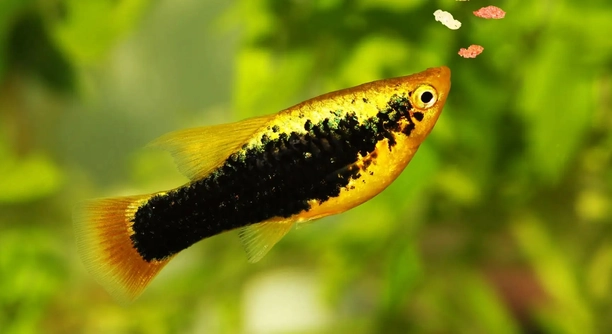
Do you have platies in your aquarium and wonder about their lighting needs? Many fishkeepers think about how day and night cycles affect these colorful fish. Understanding their natural environment helps create a comfortable home for platies.
Platies do benefit from a regular day and night cycle. Consistent lighting supports their natural behavior, feeding patterns, and overall health. Providing about 10 to 12 hours of light each day mimics their natural habitat and helps maintain their well-being.
Knowing how light influences platies can improve their care. This article explains why a balanced light schedule matters for your fish’s health and happiness.
Why Day and Night Cycles Matter for Platies
Platies come from environments where natural light changes throughout the day. This cycle of light and darkness helps them regulate their behavior and bodily functions. When platies get enough light during the day, they are more active and tend to eat better. At night, darkness signals them to rest and slow down. Without this rhythm, their stress levels can increase, which affects their immune system and overall health. Sudden changes or too much light at night can confuse them and cause discomfort. Maintaining a consistent schedule also helps their tank mates adjust, creating a calm and balanced aquarium environment. It’s important to avoid keeping aquarium lights on 24/7 because it can disrupt their natural patterns and lead to poor health over time. Mimicking their natural cycle supports their well-being and longevity in captivity.
A steady light schedule also encourages healthy growth and reproduction in platies. They depend on cues from the environment to breed successfully.
When platies experience regular periods of light and darkness, they maintain normal hormone cycles. This natural rhythm helps regulate feeding, movement, and rest. Sudden or extended exposure to light can disturb these processes. For example, constant light may cause platies to become restless or stressed, while too little light can reduce their appetite and activity. Having a reliable light cycle reduces stress and promotes natural behavior. It also helps plants and beneficial bacteria in the tank thrive, improving the aquarium’s overall health. Using a timer for aquarium lights is a simple way to keep this schedule consistent. This method ensures platies have a comfortable, familiar environment that supports their health and happiness.
How to Set Up Proper Lighting for Your Platies
Lighting should be balanced and predictable. Platies need about 10 to 12 hours of light per day.
Using an automatic timer is the easiest way to provide a steady day and night cycle. A timer ensures lights turn on and off at the same time daily. This consistency helps platies adjust and feel secure. Position the light so it evenly covers the tank without overheating the water. Avoid bright or flashing lights, which can stress the fish. Instead, use soft, natural-looking lights that replicate daylight. It’s also helpful to dim lights gradually when turning them off, mimicking a natural sunset. This approach allows platies to prepare for nighttime rest. Regularly check the lighting system to ensure it functions properly and replace bulbs as needed. With the right lighting, your platies will stay active, healthy, and comfortable in their home.
Common Mistakes with Lighting for Platies
One common mistake is leaving the aquarium lights on all day and night. Continuous light can stress platies and disrupt their natural rhythm.
Too much light can lead to constant activity, making platies restless and tired. It may also encourage excessive algae growth, which affects water quality and hides plants. On the other hand, too little light can cause platies to lose appetite and become less active. Both extremes interfere with their natural behavior and health. It’s important to find the right balance and provide a clear day and night cycle. This helps platies stay calm, eat well, and thrive in the tank environment.
Many fishkeepers forget to use timers or manual routines consistently. Without a set schedule, lighting becomes irregular, confusing the fish. This can lead to stress and weaken their immune systems over time. Setting a consistent light cycle creates a stable environment and supports platies’ well-being.
Effects of Inconsistent Lighting on Platies
Inconsistent lighting disrupts platies’ internal clocks and causes stress. Fish rely on steady light cues to regulate feeding, sleep, and activity patterns. When the light schedule is unpredictable, platies may become confused and less healthy.
Stress from irregular lighting reduces their resistance to disease and lowers energy levels. Over time, this can lead to weaker immune systems and shorter lifespans. Inconsistent light also affects breeding behavior, as platies depend on stable environmental signals to reproduce. Their natural cycles become irregular, making spawning less successful. A reliable lighting routine keeps platies balanced and supports their natural instincts, leading to a happier, healthier aquarium community.
Best Light Types for Platies
LED lights are a popular choice for platies because they are energy-efficient and provide a natural light spectrum. They produce little heat, which helps maintain stable water temperature.
Fluorescent lights also work well but may need replacement more often. Both types can support plant growth and enhance the colors of platies in the tank.
Impact of Lighting on Aquarium Plants
Good lighting encourages healthy plant growth, which benefits platies by providing hiding spots and improving water quality. Plants help reduce toxins and keep the tank balanced. Without enough light, plants weaken and die, affecting the tank environment and the well-being of platies.
Using Timers for Consistent Lighting
Timers help maintain a regular light schedule without extra effort. They turn lights on and off automatically, making it easier to provide platies with a stable day and night cycle.
Avoiding Light Stress in Platies
Too bright or flashing lights can cause stress in platies. Use soft, steady lighting to keep fish calm and comfortable in their aquarium.
FAQ
Do platies need complete darkness at night?
Platies do benefit from complete darkness during their nighttime period. Darkness signals their bodies to rest and slow down, similar to how day and night work in the wild. Keeping the tank dark for about 12 hours helps them maintain a healthy sleep cycle. Using a dim night light is usually not recommended because even small amounts of light can disturb their rest and increase stress.
How long should the light be on each day for platies?
A daily light period of about 10 to 12 hours is ideal for platies. This length mimics the natural daylight cycle in their native environment. Keeping the light on longer than 12 hours can cause stress and encourage unwanted algae growth. Less than 10 hours might reduce their activity and appetite, affecting their health over time. Using a timer helps keep this schedule consistent and stress-free for your fish.
Can platies live without a day and night cycle?
Platies can survive without a clear day and night cycle, but it is not ideal. Without regular light changes, their natural behavior becomes disrupted. They may experience increased stress, weaker immune responses, and irregular feeding habits. Over time, this can lead to health problems and shorter lifespans. Providing a stable light cycle supports their overall well-being and helps them thrive.
What happens if the lights are left on 24/7?
Leaving lights on all the time can cause serious stress in platies. Constant light prevents them from resting properly, which disrupts their natural hormone levels and behavior. It can also encourage excessive algae growth, leading to poor water quality. Over time, fish may become more prone to illness, lose color vibrancy, and show signs of fatigue or nervousness.
Is natural sunlight good for platies?
Natural sunlight can be beneficial in small amounts, but it is generally not recommended to expose aquariums directly to sunlight. Sunlight is often too strong and can quickly raise the tank temperature, harming platies. It also encourages rapid algae growth, which can be difficult to control. Using artificial lights designed for aquariums is safer and more reliable.
Should I use a timer for my aquarium lights?
Yes, using a timer is one of the best ways to keep a consistent light schedule for platies. Timers automatically turn lights on and off at set times, removing guesswork and reducing stress on the fish. This consistency supports natural behavior and improves the overall tank environment. It’s a simple tool that helps both the fish and the keeper.
Can inconsistent lighting cause diseases in platies?
Indirectly, yes. Inconsistent lighting can cause stress, which weakens platies’ immune systems. When fish are stressed, they are more vulnerable to common diseases and infections. Keeping a steady lighting routine reduces stress and helps maintain strong health, lowering the risk of illness.
How can I reduce light stress in my platies?
To reduce light stress, avoid bright, flashing, or overly intense lights. Use soft, natural-looking aquarium lights and provide places in the tank where platies can hide or escape strong light. Gradually dimming lights in the evening mimics natural sunset and helps fish prepare for rest.
Does lighting affect platy breeding?
Yes, stable lighting plays a role in platy breeding. Regular day and night cycles trigger natural hormonal changes necessary for spawning. Inconsistent lighting can confuse platies and reduce breeding success. Maintaining about 10 to 12 hours of light daily encourages healthy reproductive behavior.
Can platies adapt to different lighting schedules?
Platies can adapt somewhat but prefer a consistent routine. Frequent changes or irregular lighting can cause stress and health problems. Once a stable schedule is established, they will adjust and thrive. Consistency is key to helping platies feel secure and behave naturally.
Maintaining a proper day and night cycle is important for keeping platies healthy and comfortable. These fish come from environments where natural light changes regularly throughout the day. By providing about 10 to 12 hours of light followed by darkness, you help them follow their natural rhythms. This balance supports their activity, feeding, and rest. Without a clear cycle, platies may become stressed, which can lead to health issues. A steady lighting schedule also benefits the tank environment, helping plants and beneficial bacteria thrive alongside your fish.
Using aquarium lights with timers is an easy way to keep a consistent day and night cycle for platies. Timers ensure the lights turn on and off at the same times every day without you needing to remember. This reliability reduces stress on the fish and creates a calm atmosphere in the tank. It also prevents problems like algae overgrowth, which can happen if lights are on too long. Choosing the right type of lighting, such as LED or fluorescent, helps provide the right light intensity and color for both platies and plants. Soft, natural light is best because it feels more like their natural habitat and avoids stressing the fish.
Overall, lighting is a simple but crucial part of caring for platies. It influences their behavior, health, and breeding success. Following a regular light schedule supports their natural habits and helps create a balanced aquarium environment. Taking small steps like using a timer, choosing gentle lighting, and avoiding constant or flashing lights can make a big difference in how your platies live and thrive. By paying attention to these details, you provide a better home for your fish and enjoy a healthier, more vibrant tank.

Hello,
If you enjoy the content that we create, please consider saying a "Thank You!" by leaving a tip.
Every little bit helps us continue crafting quality advice that supports the health, happiness, and well-being of pets around the world, for pets of all shapes, sizes, and species.
We really appreciate the kindness and support that you show us!