
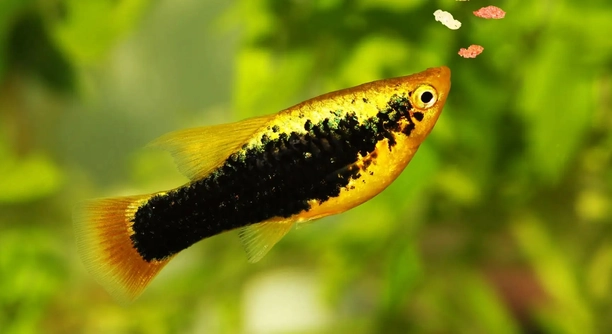
Platy fish tanks can be a joy to maintain, but they sometimes require extra care to stay healthy. Keeping the tank clean and balanced helps your fish thrive in their environment. Simple habits can make tank maintenance easier and more effective.
Maintaining a platy tank involves regular water changes, monitoring water parameters, proper feeding routines, and controlling algae growth. These steps minimize stress on the fish and create a stable habitat, reducing the time and effort needed for upkeep.
Following these practical tips will help you manage your platy tank smoothly and keep your fish happy for the long term.
Regular Water Changes Are Essential
Changing the water regularly is one of the most important steps to keep your platy tank healthy. It helps remove waste and toxins that build up over time. Doing a partial water change every week, about 20-30%, keeps the water fresh and prevents harmful substances from reaching dangerous levels. When changing the water, make sure to use a water conditioner to remove chlorine and chloramine, which are harmful to fish. Using a siphon or gravel vacuum will also help clean the substrate and remove debris from the bottom. Avoid changing all the water at once, as this can shock your fish and disrupt the beneficial bacteria in the tank. Keeping a consistent schedule helps your fish stay healthy and reduces the risk of illness. Regular water changes make the tank environment more stable and easier to manage.
Partial water changes support stable water quality and reduce buildup of harmful waste in the tank.
Keeping the water clean with regular changes helps prevent common problems like cloudy water or algae growth. It also supports the natural balance of bacteria that break down fish waste. If you skip water changes, toxins can rise quickly, causing stress and illness in your fish. By committing to this simple routine, you protect your platies and keep the tank environment safe. It’s best to test the water regularly for ammonia, nitrites, and nitrates, so you know when a change is needed. Combining water changes with proper filtration creates a balanced home for your fish, making maintenance easier in the long run.
Feeding Practices to Avoid Overfeeding
Overfeeding is a common issue that leads to water quality problems. Platies are small fish and don’t need large amounts of food. Feeding them once or twice a day with small portions that they can finish within a few minutes is enough. Uneaten food decomposes and pollutes the water, causing ammonia spikes and algae growth. Use a feeding schedule to avoid giving extra food “just in case.” Observe your fish while they eat to understand how much they need. Removing leftover food after feeding can also help maintain water quality. Feeding the right amount saves you time cleaning and keeps your fish healthier.
Proper Filtration Is Key
A good filter keeps the tank water clean by removing debris and harmful chemicals. It also helps maintain oxygen levels, which is vital for your platies’ health. Choosing the right filter size for your tank ensures efficient water circulation without stressing your fish.
Filters work by trapping particles and breaking down toxic ammonia and nitrites through beneficial bacteria colonies. These bacteria live in the filter media and play a crucial role in keeping the water safe. It’s important to clean the filter media gently and not all at once to preserve these bacteria. Over-cleaning or replacing all filter parts at once can disrupt the biological balance and cause water quality issues. Regular maintenance of the filter system improves its efficiency and extends its lifespan, making tank care easier overall.
Using a reliable filter reduces the frequency of water changes and helps stabilize the tank environment. A well-maintained filtration system supports your platies’ immune systems and lowers the chance of disease outbreaks. Choosing a filter designed for your tank’s size and stocking level will improve water clarity and reduce odors. It’s worth investing time in learning how your filter works to get the best results. Combining filtration with regular water tests keeps your tank safe and pleasant to maintain.
Control Algae Growth
Algae can quickly take over a platy tank if not controlled. Excess light and nutrients in the water encourage algae to grow on the glass, plants, and decorations. Limiting the tank’s light exposure to 8–10 hours a day helps keep algae in check.
Using live plants competes with algae for nutrients, reducing algae’s chance to spread. Removing visible algae during water changes keeps the tank clean and prevents buildup. Avoid overfeeding and excess fertilizers, as these contribute to algae growth. Algae-eating fish or snails can also help maintain balance. Keeping algae under control improves water quality and keeps the tank looking nice.
Maintain Stable Water Temperature
Platies thrive best in water temperatures between 72°F and 78°F. Keeping the temperature stable prevents stress and illness. Sudden changes can weaken their immune system, so using a reliable heater with a thermostat is important.
Regularly check the heater to ensure it’s working properly. Avoid placing the tank near windows or vents that cause temperature fluctuations.
Clean Decorations and Substrate Regularly
Algae and debris can build up on decorations and substrate, affecting water quality. Gently clean them during water changes to prevent waste buildup without harming beneficial bacteria.
Monitor Water Parameters Closely
Testing water for ammonia, nitrite, nitrate, and pH helps catch problems early. Stable water chemistry is key for platy health and reduces tank maintenance. Using test kits regularly allows timely adjustments and keeps the environment safe.
Avoid Overcrowding Your Tank
Too many fish increase waste and stress. Keeping a proper fish-to-water ratio helps maintain cleaner water and healthier platies.
FAQ
How often should I change the water in my platy tank?
It’s best to do a partial water change of about 20-30% every week. This keeps the water clean without shocking your fish or disturbing beneficial bacteria. If your tank is heavily stocked or you notice water quality issues, more frequent changes might be needed. Always treat tap water with a conditioner before adding it to the tank to remove harmful chemicals.
What type of food is best for platies?
Platies eat a mix of flakes, pellets, and live or frozen foods like brine shrimp or daphnia. A varied diet supports their health and color. Feed small amounts once or twice a day, only what they can finish in a few minutes. Overfeeding causes water pollution and health problems.
How can I tell if my platy fish are stressed?
Signs of stress include faded color, clamped fins, loss of appetite, and hiding more than usual. Stress often comes from poor water quality, sudden temperature changes, overcrowding, or aggressive tank mates. Regular maintenance and monitoring water parameters help reduce stress.
Is it necessary to have live plants in a platy tank?
Live plants are beneficial but not required. They help absorb excess nutrients, reduce algae growth, and provide hiding places. If you use live plants, choose species that thrive in similar conditions to platies, such as Java fern or Anubias. Artificial plants can also work if kept clean.
What is the ideal tank size for platies?
A 10-gallon tank is the minimum recommended for a small group of platies. They are active swimmers and appreciate space. Larger tanks are easier to maintain because water quality stays more stable. Avoid overcrowding, as this increases stress and waste buildup.
How do I prevent algae from taking over my tank?
Control light exposure by limiting it to 8–10 hours per day. Avoid overfeeding and remove uneaten food promptly. Live plants compete with algae for nutrients, reducing its growth. Regular cleaning of tank surfaces and decorations also helps. Adding algae-eating fish or snails can assist in keeping algae under control.
Can platies live with other fish species?
Platies are peaceful and can coexist with other non-aggressive species like guppies, mollies, or tetras. Avoid larger or aggressive fish that may stress or harm them. Always research compatibility before adding new tank mates to maintain a peaceful environment.
How important is filtration in a platy tank?
Filtration is crucial. It removes waste and toxins and helps maintain oxygen levels. A properly sized filter supports beneficial bacteria, which break down harmful substances. Regular filter maintenance ensures it works efficiently. Without filtration, water quality deteriorates quickly, risking fish health.
What water parameters should I monitor?
Keep ammonia and nitrite levels at zero, as they are toxic to fish. Nitrate should be below 20-40 ppm. pH should stay between 6.8 and 8.0. Regular testing with reliable kits helps you maintain these levels and address issues early, preventing illness and stress.
How can I clean the tank without disturbing the fish too much?
Use gentle methods like siphoning gravel and wiping algae from glass with a soft cloth or sponge. Avoid deep cleaning all decorations or filter media at once, as this can disrupt beneficial bacteria. Do water changes slowly to prevent shocking the fish.
What signs indicate a sick platy?
Look for unusual behavior like lethargy, rapid breathing, floating near the surface, or rubbing against objects. Physical signs include torn fins, spots, discoloration, or swelling. Early detection and proper water maintenance improve recovery chances. Consult a vet or expert if needed.
Is it okay to keep only one platy fish?
Platies are social fish and do better in groups of at least three or more. Keeping a single fish can cause loneliness and stress. A small group encourages natural behavior and reduces boredom, contributing to healthier, happier fish.
Final thoughts are important when it comes to caring for a platy tank. Keeping your tank clean, stable, and well-maintained makes a big difference in your fish’s health and happiness. Simple actions like regular water changes, proper feeding, and good filtration can prevent many common problems. It’s not about spending hours every day but about being consistent and paying attention to your tank’s needs. When the environment is right, your platies will thrive and show their bright colors and active behavior.
Understanding the basics of water quality is key. Monitoring water temperature, pH, and levels of ammonia, nitrites, and nitrates ensures a safe home for your fish. Sudden changes in these factors can cause stress or illness, so it’s helpful to use test kits regularly. Along with this, controlling algae and cleaning decorations and substrate keeps the tank visually appealing and healthy. These small efforts add up and make maintaining the tank easier over time. Knowing what your fish need and providing it on a regular schedule reduces unexpected issues and keeps your tank balanced.
Finally, remember that patience and care go a long way. Fishkeeping is a rewarding hobby but it requires attention to detail. Overfeeding, overcrowding, or skipping water changes can quickly lead to problems. Keeping a steady routine and learning from any mistakes helps you improve your maintenance skills. Your platies will respond well to a calm and steady environment. Taking time to observe them daily will also help you spot changes early and address concerns before they grow. A well-kept tank not only benefits your fish but also creates a peaceful and enjoyable space for you.

Hello,
If you enjoy the content that we create, please consider saying a "Thank You!" by leaving a tip.
Every little bit helps us continue crafting quality advice that supports the health, happiness, and well-being of pets around the world, for pets of all shapes, sizes, and species.
We really appreciate the kindness and support that you show us!