
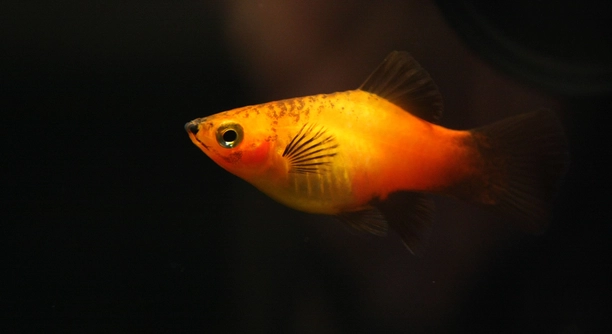
A bare platy tank can look plain and may not provide much stimulation for your fish. Creating a more engaging environment helps improve their well-being and can make the tank more visually appealing. Simple changes can make a big difference.
Adding plants, decorations, and hiding spots enriches the tank by mimicking natural habitats and promoting healthy behaviors. Providing variety in textures and shelter encourages exploration and reduces stress, leading to happier and healthier platies.
Improving your platy tank’s environment will benefit both the fish and your enjoyment as an owner. Small adjustments can create a thriving, lively aquatic space.
Choosing the Right Plants for Your Platy Tank
Live plants provide many benefits to a platy tank. They improve water quality by absorbing nitrates and offer natural hiding places that make the fish feel safe. Easy-to-care-for plants like Java fern, Anubias, and hornwort work well in most platy tanks. These plants don’t require special lighting or fertilizers, which keeps maintenance simple. Adding a variety of plants with different heights and leaf shapes also creates a more interesting environment for your fish to explore.
Plants also encourage natural behaviors, such as foraging and resting among the leaves. This helps reduce stress and keeps the fish active. When choosing plants, consider your tank size and lighting conditions to ensure they thrive. Live plants can complement decorations and provide a soft, natural look that bare tanks often lack.
By selecting the right plants, you support your platies’ health and create a vibrant, balanced tank environment.
Plants improve water quality, reduce algae growth, and offer essential shelter for platies, making them a valuable addition to any tank setup.
Using artificial plants can be a convenient alternative. They require no care and come in many styles and colors. However, live plants provide oxygen and help maintain a natural ecosystem. If choosing fake plants, select smooth ones without sharp edges to prevent injuries. Combine artificial plants with other decorations to create hiding spots. Both live and fake plants enhance the tank’s appearance and provide enrichment for your fish. Keep plants clean by gently rinsing them during water changes to avoid buildup of debris or algae. Whether live or artificial, plants add comfort and interest for your platies.
Creating Hiding Spots and Decorations
Platies need places to hide and explore to feel secure. Adding caves, tunnels, and driftwood helps replicate their natural habitat. These features reduce stress by giving fish a place to retreat when they feel threatened or want to rest. Decorations also break up the tank space, making it less monotonous.
When selecting decorations, avoid sharp or rough materials that could harm your fish. Smooth rocks, ceramic caves, and aquarium-safe ornaments work best. Arrange hiding spots in different areas of the tank to encourage exploration. Keep in mind that overcrowding the tank can limit swimming space and reduce water circulation. Balance decorations with open swimming areas to maintain a healthy environment. Over time, your platies will use these hiding spots regularly, showing signs of comfort and contentment.
Regularly check decorations for algae or debris and clean them as needed to maintain tank hygiene. Introducing new hiding spots gradually helps fish adjust without stress. Overall, decorations enrich the tank by offering security and visual variety.
Adding a few well-placed hiding spots provides safety and stimulation, helping your platies feel more at home and less stressed.
Adding Substrate Variety
A bare tank floor can feel empty and dull. Adding different substrates creates texture and interest for your platies. Gravel, sand, or a mix can make a noticeable difference.
Using a varied substrate encourages natural behaviors like digging and foraging. Fine sand is gentle on platies’ fins and allows them to sift for food easily. Gravel provides more surface area for beneficial bacteria to grow, which helps maintain water quality. Layering substrates can create visual depth and separate zones within the tank. For example, sand in one area and gravel in another adds variety and keeps your fish engaged. Choose substrates that are safe and compatible with your tank’s filtration and cleaning routines.
Keep the substrate clean by vacuuming regularly to remove waste and uneaten food. This helps prevent harmful buildup and keeps the tank healthy. A well-chosen substrate not only enhances appearance but supports your platies’ natural habits.
Incorporating Floating Plants
Floating plants add surface cover and shade, which helps reduce stress in platies. They create a natural environment by softening light and providing shelter near the water’s surface.
These plants absorb excess nutrients, helping control algae growth and improving water quality. Floating plants like duckweed, water lettuce, or frogbit are easy to maintain and multiply quickly. They offer places for platies to hide from bright light or other tank inhabitants. Additionally, their roots provide extra surfaces for beneficial bacteria and microfauna, which enrich the tank ecosystem. Floating plants also improve oxygen exchange at the surface, which benefits fish health.
Be mindful of their growth rate. Too many floating plants can block light completely and limit swimming space. Regular trimming helps keep a balance and maintains tank aesthetics. Adding floating plants introduces natural texture and variety that supports platy well-being.
Providing Proper Lighting
Proper lighting supports plant growth and highlights your platies’ colors. Too much light can cause algae, while too little stunts plants and dulls fish appearance.
Choosing adjustable LED lights helps balance brightness. Aim for about 8 to 10 hours of light daily, simulating a natural day cycle.
Using Live Food and Supplements
Live foods like brine shrimp, daphnia, and bloodworms provide essential nutrients and stimulate natural hunting behavior. These foods are rich in protein, supporting growth and vibrant colors in platies.
Supplements like vitamins or spirulina powders can boost immune health. Feeding live food occasionally alongside high-quality flakes or pellets creates a balanced diet. Offering varied food also keeps feeding time interesting for your fish and encourages activity.
Regular Water Changes
Consistent water changes maintain tank cleanliness and reduce toxins. Changing 20-30% weekly supports healthy fish and plants.
Monitoring Water Parameters
Keep pH, ammonia, nitrite, and nitrate levels stable. Regular testing prevents stress and health issues.
FAQ
How often should I clean my platy tank?
Cleaning frequency depends on tank size and stock levels, but generally, performing partial water changes and substrate cleaning once a week keeps the environment healthy. Removing algae from glass and decorations during these cleanings also helps maintain clarity and reduces toxins.
Can I use only artificial plants instead of live ones?
Yes, artificial plants are a low-maintenance alternative that provides hiding spots and decoration. However, they don’t improve water quality or oxygen levels like live plants do. Choose smooth, aquarium-safe artificial plants to avoid harming your platies.
What is the best substrate for a platy tank?
A mix of fine gravel and sand works well. Sand is gentle on platies’ fins and allows natural foraging, while gravel supports beneficial bacteria growth. Avoid sharp or rough substrates that can injure fish.
Do platies need hiding places?
Absolutely. Hiding spots reduce stress and make platies feel secure. Caves, plants, and decorations provide shelter and encourage natural behaviors like exploring and resting.
How much light do platies need?
Platies thrive with about 8 to 10 hours of moderate light daily. Too much light can cause algae growth, while too little weakens plants and dulls fish colors. Adjustable LED lighting helps maintain balance.
What live foods are safe for platies?
Brine shrimp, daphnia, and bloodworms are excellent choices. These foods offer high protein and promote natural hunting instincts. Feed live food occasionally alongside quality flakes or pellets.
Can floating plants affect oxygen levels?
Floating plants improve oxygen exchange at the surface but can block light if they grow too thick. Regular trimming prevents overcrowding and maintains healthy oxygen levels.
How important is monitoring water parameters?
Very important. Keeping pH, ammonia, nitrite, and nitrate levels stable prevents stress and health issues. Regular testing is key to maintaining a safe environment for your platies.
How often should I feed my platies?
Feed small amounts 1-2 times daily. Overfeeding can pollute water and harm fish health. Remove uneaten food to maintain water quality.
Can decorations harm platies?
Sharp or rough decorations can injure fish. Use smooth, aquarium-safe materials to avoid cuts or scrapes. Clean decorations regularly to prevent algae buildup.
Is it necessary to have a filter?
Yes, a filter maintains water cleanliness by removing waste and circulating water. Choose a filter suitable for your tank size to support a healthy environment.
What temperature is best for platies?
Platies do well in temperatures between 72°F and 78°F (22°C to 26°C). Stable temperatures reduce stress and support immune function.
Can platies live with other fish?
Platies are peaceful and can coexist with other non-aggressive fish of similar size. Avoid aggressive species that may bully or harm them.
How can I prevent algae growth?
Control lighting duration, avoid overfeeding, and perform regular water changes. Adding live plants helps compete with algae for nutrients, reducing its growth naturally.
Creating a comfortable and enriching environment for your platies is essential for their health and happiness. A bare tank may look clean but often lacks the stimulation that platies need to thrive. Adding plants, hiding spots, varied substrate, and proper lighting all contribute to a more natural and engaging space. These simple changes not only improve the look of your tank but also support your fish’s well-being. When platies have places to explore and feel safe, they display healthier behavior and brighter colors.
Maintaining a balanced tank goes beyond decorations. Regular water changes, monitoring water parameters, and providing a varied diet are key to long-term success. Live foods and supplements help keep your platies strong, while consistent cleaning prevents harmful buildup. Watching your tank regularly allows you to spot any problems early and address them before they become serious. These routines help create a stable environment where your fish can flourish.
Taking the time to enrich your platy tank pays off in many ways. A well-designed tank is easier to care for and more enjoyable to watch. Your platies will be more active and less stressed, which means fewer health issues. With attention to detail and regular care, you can build a lively, balanced aquatic space that benefits both you and your fish. Small improvements add up to a healthier, happier home for your platies.

Hello,
If you enjoy the content that we create, please consider saying a "Thank You!" by leaving a tip.
Every little bit helps us continue crafting quality advice that supports the health, happiness, and well-being of pets around the world, for pets of all shapes, sizes, and species.
We really appreciate the kindness and support that you show us!