
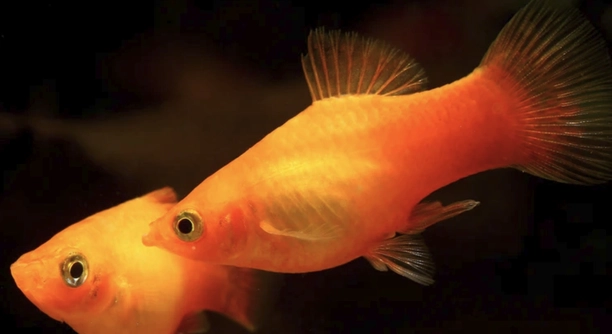
Platies are popular freshwater fish often kept in home aquariums. They are known for their bright colors and peaceful nature. Many owners feed them flakes as a convenient and common food choice for everyday care.
Platies can indeed be overfed with flakes, which can lead to digestive problems, poor water quality, and health issues. Proper portion control and feeding frequency are essential to maintain their wellbeing and avoid overfeeding risks.
Knowing how much and how often to feed your platies is important. This article will guide you through the signs and best practices for feeding flakes responsibly.
Signs Your Platies Are Overfed
Overfeeding platies with flakes often shows in their behavior and physical condition. You might notice your fish becoming sluggish or less active, which can be a sign of discomfort. They may also have swollen bellies or bloating. Uneaten flakes sinking to the tank bottom can quickly decay, causing water quality to deteriorate. Cloudy water and an increase in algae growth are common side effects of leftover food. Excess food in the tank can lead to higher ammonia levels, stressing the fish and making them more vulnerable to diseases. Watching how much your platies eat in a single sitting can help you identify overfeeding early. Feeding small amounts and observing if the food is consumed within a few minutes helps avoid excess. Monitoring your tank regularly and doing water tests ensures a healthy environment for your fish to thrive.
Maintaining good water quality is key to keeping your platies healthy and preventing issues caused by overfeeding.
Paying attention to these signs allows you to adjust feeding habits and protect your fish’s wellbeing before problems worsen.
How Much Flake Food Should You Feed?
Platies generally require a small amount of food, roughly what they can eat within two to three minutes. Feeding them twice a day with a pinch of flakes is usually enough to meet their nutritional needs without overfeeding. It’s important to avoid guessing quantities, as leftover flakes can pollute the water quickly. Instead, feed them conservatively and add more only if they finish everything promptly.
Offering varied food, such as frozen or live options, can supplement flakes and improve your platies’ diet. This variety also prevents reliance on flakes alone, which can sometimes lack certain nutrients. Regularly adjusting portions based on fish activity and tank conditions helps maintain balance. Avoid feeding directly before a water change or cleaning, as excess food may interfere with these processes. By keeping meals controlled and consistent, you promote healthy growth and reduce the risk of obesity or digestive issues.
A balanced feeding routine keeps your platies healthy and your aquarium clean.
Effects of Overfeeding on Platies
Overfeeding flakes can cause bloating and constipation in platies. Their digestive systems are small and sensitive, so too much food disrupts their health quickly. This can also reduce their lifespan if not addressed.
When platies consume more flakes than they can digest, it leads to digestive blockages and discomfort. This often makes them less active and more prone to infections. Overfeeding can also cause obesity, affecting their ability to swim properly and making them vulnerable to stress. Excess food decomposes in the tank, worsening water quality, which directly impacts fish health. Maintaining a proper feeding schedule prevents these negative effects and promotes a stable aquarium environment.
Managing portion sizes and feeding frequency carefully reduces the risk of digestive issues and keeps platies active. Watching their eating habits closely helps catch early signs of overfeeding.
Preventing Overfeeding in Your Aquarium
Setting a feeding routine is essential for controlling how much your platies eat. Feeding small amounts two times daily ensures they get enough nutrition without leftovers polluting the water. Consistency helps fish adjust their appetite accordingly.
Using a timer or setting reminders can help you stick to regular feeding times. Avoid free-feeding or leaving food in the tank for long periods, as this encourages overeating and increases waste buildup. Removing uneaten flakes after feeding limits excess nutrients in the water. Offering a varied diet occasionally with vegetables or protein supplements helps balance their nutrition. Observing your fish regularly allows you to adjust portions as they grow or change activity levels.
Following these simple steps supports both fish health and tank cleanliness, creating a better environment for your platies.
Choosing the Right Flake Food
Not all flake foods are the same. Some have higher protein or fat content, which can affect how quickly platies gain weight. Choosing a high-quality flake designed specifically for tropical fish ensures balanced nutrition.
Avoid flakes that contain fillers or artificial ingredients. These can contribute to poor digestion and leftover waste, increasing the risk of overfeeding problems in your tank.
Feeding Frequency Tips
Feeding platies once or twice a day is usually sufficient. More frequent feeding can lead to leftover food and water contamination. Less frequent feeding helps maintain water quality and keeps your fish healthy.
Adjust feeding times based on your platies’ activity levels. During colder months, they may require less food, while active warmer months might need slightly more.
Handling Uneaten Flakes
Remove uneaten flakes after five minutes to prevent water pollution. Leaving flakes to sink and decompose can lead to ammonia spikes and algae growth, harming your fish.
Using a small net or siphon helps clean leftover food quickly, keeping the tank environment safe and healthy.
FAQ
Can platies survive if they are occasionally overfed?
Platies can survive occasional overfeeding, but it’s not ideal for their health. Overfeeding leads to digestive problems and poor water quality, which stresses the fish. If it happens rarely, regular water changes and monitoring can help prevent long-term damage.
How can I tell if my platies are overweight?
Signs of overweight platies include swollen or rounded bellies and reduced activity. They may swim slower or seem lethargic. If you notice these changes, reduce the feeding amount and increase water maintenance to help restore their health.
Is it okay to feed flakes every day?
Feeding flakes daily is fine if done in small, controlled portions. Platies need balanced nutrition, and flakes alone may lack variety. It’s beneficial to occasionally supplement their diet with other foods like frozen or live options to ensure complete nutrition.
What happens if I feed my platies too little?
Underfeeding can weaken platies, causing slow growth and less vibrant colors. It may also reduce their energy and immune response. Feeding small amounts regularly is better than giving too much at once or too little, ensuring steady health and activity.
Can leftover flakes harm the aquarium environment?
Yes, leftover flakes decompose and increase ammonia and nitrate levels in the tank. This pollution can harm your fish and encourage algae growth. Removing uneaten food promptly is essential to maintaining a clean, healthy environment.
How often should I clean my tank if I overfeed?
If overfeeding occurs, more frequent water changes and tank cleaning are necessary to remove excess waste and maintain water quality. Typically, a 25-30% water change once a week is standard, but overfeeding may require more frequent cleanings until balance is restored.
Are there alternatives to flakes for feeding platies?
Yes, you can feed platies frozen or live foods like brine shrimp, daphnia, or bloodworms. These options provide more protein and variety, helping maintain a balanced diet and prevent boredom. Vegetables like blanched spinach or zucchini can also be offered occasionally.
Does the size of the aquarium affect how much I should feed?
The size of the tank impacts water quality but doesn’t directly change how much food platies need. Overfeeding in any tank size causes waste buildup. Adjust feeding based on the number of fish, not the tank size, and avoid excess food to protect water quality.
What if my platies refuse to eat flakes?
If your platies ignore flakes, they might prefer other food types or the flakes may have lost freshness. Try switching to fresh flakes, soaking them before feeding, or offering live and frozen foods to stimulate their appetite.
How can I prevent overfeeding in a community tank?
Feed small amounts spread across the tank to ensure all fish get their share without excess. Observe feeding behavior closely and remove leftover food quickly. Avoid free-feeding and establish a regular feeding schedule to keep all tank inhabitants healthy.
Is it normal for platies to beg for food?
Platies often swim actively when feeding time approaches, which can look like begging. This behavior doesn’t always mean they are hungry; they may just expect food. Stick to a feeding routine to avoid giving in to frequent begging, which can lead to overfeeding.
Can overfeeding cause diseases in platies?
Yes, overfeeding weakens the immune system and causes digestive issues, increasing vulnerability to diseases like fin rot and swim bladder disorder. Maintaining proper feeding habits and clean water reduces the risk of illness and keeps platies healthy.
How long can platies go without food?
Healthy adult platies can survive several days without food, typically up to five or six days, without serious harm. However, regular feeding supports optimal health. Occasional fasting can help clear digestion but shouldn’t become routine.
What is the best way to measure flake food for platies?
Use a small pinch or a feeding spoon designed for fish food. Feed only what your platies can consume in about two to three minutes. Adjust portion sizes based on fish behavior and tank conditions to prevent overfeeding.
Can overfeeding cause cloudy water?
Yes, excess food decomposes and releases nutrients that encourage bacteria and algae blooms, making water cloudy. Proper feeding and regular cleaning keep water clear and healthy for your platies.
Should I feed flakes at the bottom or surface of the tank?
Flakes naturally float and gradually sink. Most platies feed at the surface or mid-water. If flakes sink too quickly, they can rot on the bottom. Feeding small amounts helps minimize waste and keeps the tank clean.
Feeding platies the right amount of flakes is important to keep them healthy and happy. Overfeeding can cause many problems, from digestive issues to poor water quality. It is easy to give too much food because flakes are small and convenient, but doing so harms the fish and the aquarium environment. Watching how much your platies eat and controlling the portions helps avoid these issues. Feeding small amounts twice a day is usually enough, and removing leftover flakes quickly keeps the water clean.
Platies are small fish with delicate digestive systems. Overfeeding can lead to bloating, constipation, and obesity, which affect their ability to swim and stay active. These health problems often cause stress, making platies more vulnerable to infections and disease. Paying attention to their behavior and appearance can help catch overfeeding problems early. Adjusting feeding habits based on what you observe will improve your fish’s wellbeing. Alongside proper feeding, keeping the tank clean with regular water changes is essential for their long-term health.
Maintaining a balanced diet for platies is best achieved by combining flakes with other types of food, such as frozen or live options, and occasionally some vegetables. This variety supports their nutritional needs and prevents boredom. A steady feeding routine that avoids free feeding helps you control how much food is given and prevents waste buildup. By understanding how to feed flakes properly and monitoring your aquarium closely, you create a healthy and stable environment for your platies to thrive. Careful feeding and tank maintenance make a big difference in their quality of life.

Hello,
If you enjoy the content that we create, please consider saying a "Thank You!" by leaving a tip.
Every little bit helps us continue crafting quality advice that supports the health, happiness, and well-being of pets around the world, for pets of all shapes, sizes, and species.
We really appreciate the kindness and support that you show us!