
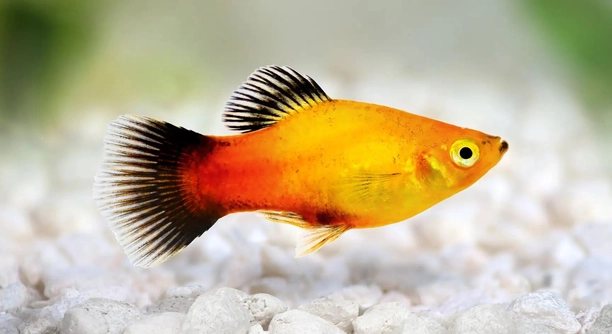
Are your platies acting restless, pacing the tank, or constantly nibbling at anything they can find? These signs can often be confusing, especially when you’re trying to keep your fish healthy and engaged.
Platies show signs of hunger through increased activity, glass surfing, and aggressive feeding behavior. Boredom may appear as lethargy, repetitive swimming patterns, or nipping at tank mates. Observing these behaviors helps distinguish between genuine needs and environmental stimulation.
Learning to recognize these patterns will help you care for your platies more confidently and improve their daily quality of life.
Signs Your Platies Are Hungry
Hungry platies tend to act more alert and active. They might swim rapidly near the top of the tank when you approach or gather around feeding areas. You may notice them pecking at plants, rocks, or tank walls, hoping to find leftover food. Sudden aggression during feeding time can also be a sign—they may push or chase each other to grab more food. It’s important to feed them small amounts two to three times daily. Watch how quickly they finish their food; if it’s gone in under two minutes and they still appear frantic, they might need a little more.
Skipping meals or irregular feeding times can confuse your platies. They get used to routines quickly and will act out of character if feeding patterns change suddenly.
Regular observation helps you adjust their portions and maintain a balanced diet, ensuring they get enough nutrition without overfeeding or creating waste that affects water quality.
When Boredom Becomes a Problem
Platies can get bored in tanks that lack stimulation. Boredom often shows through repetitive swimming, lack of energy, or sudden chasing behavior without any reason.
A dull tank environment can make platies inactive or overly aggressive. Without plants, hiding spaces, or other visual barriers, they may swim back and forth in the same pattern, which isn’t normal. Some may start biting fins or chasing others to pass the time. Adding live plants, decorations, or even rearranging existing items can refresh their interest. Tank mates also help, as platies are social and enjoy interacting. Just be sure new additions are compatible and won’t create stress. Giving them a varied diet also adds mental stimulation—rotating food types like flakes, freeze-dried bloodworms, or blanched vegetables can make feeding more engaging. A timer-based feeding schedule and interactive elements in the tank help prevent boredom from building up. Taking these steps creates a more balanced environment for your platies.
How to Keep Platies Stimulated
Keeping platies stimulated starts with variety. Add live plants, smooth rocks, and hiding spots. Changing the layout once in a while keeps their environment interesting. Platies are active swimmers, so giving them space and objects to explore helps prevent boredom and keeps them engaged.
Introducing safe tank mates like mollies or guppies can offer social interaction and keep your platies active. Avoid overcrowding, but consider having at least three to five platies together, as they enjoy being in small groups. Feeding variety also stimulates their interest. Rotate between flakes, freeze-dried bloodworms, and boiled peas. Keep feeding times consistent, but vary the order of foods throughout the week. Avoid placing the tank in a dull area—natural movement outside the tank, like people walking by, can provide visual enrichment. A gentle filter current also encourages swimming and keeps them moving throughout the day.
Lights on a timer mimic natural day and night cycles. This keeps their rhythm steady and improves overall mood. Use aquarium-safe mirrors or floating toys occasionally to catch their attention. Just don’t overdo it—too much stimulation or frequent changes can lead to stress. Balance is key. Make small adjustments, give them time to adapt, and observe their behavior closely before adding anything new.
Mistakes to Avoid When Feeding or Entertaining Platies
Overfeeding is one of the most common mistakes. Platies will keep eating even when they’re full, which leads to bloating and water pollution. Stick to small, measured portions and remove any uneaten food after two minutes.
Avoid overcrowding the tank. Even though platies are social, too many fish can cause stress and competition for food. Another common issue is using the same food every day. This leads to boredom and poor nutrition. Mix up their diet to include dry, frozen, and fresh options. Skipping tank maintenance can also affect their activity levels. Dirty water stresses them and makes them sluggish. Use a filter, do partial water changes weekly, and check water parameters regularly. Don’t forget lighting—too much or too little disrupts their daily rhythm. Avoid plastic decorations with sharp edges, which may injure curious platies. Lastly, avoid sudden changes. Whether it’s feeding times or rearranging the tank, gradual changes are less stressful and easier for them to adjust to.
Understanding Natural Behavior vs. Hunger or Boredom
Platies naturally explore their tank and may peck at surfaces, even when well-fed. This doesn’t always mean they’re hungry—it’s just part of how they interact with their space. Consistent begging at the glass, though, usually signals real hunger.
Lethargy or hiding isn’t always boredom. Platies rest throughout the day, especially in calm or low-light settings. Only when these behaviors become frequent or paired with other signs, like glass surfing or fin-nipping, should you consider hunger or boredom as possible reasons.
How Often to Feed and Monitor Behavior
Feed platies two to three times a day in small amounts they can finish in under two minutes. Watch their activity during and after feeding. A healthy platy will eat quickly, stay active, and return to calm swimming. If they continue to act restless, consider adjusting the feeding amount or variety. Observation is key.
Creating a Balanced Routine
A steady routine helps platies feel secure and stay active. Keep feeding, lighting, and cleaning schedules consistent to reduce stress and support natural behavior.
FAQ
How can I tell if my platies are actually hungry and not just begging?
Platies will often swim to the front of the tank when they see you, even if they’re not hungry. This is learned behavior—they associate your presence with food. True hunger shows in more persistent behaviors, like glass surfing, constant scavenging, or increased aggression at feeding times. If they finish food in seconds and still act restless, they might need slightly more. But if they continue to act the same after being fed properly, they’re likely just reacting to habit, not actual hunger.
What happens if I overfeed my platies?
Overfeeding leads to bloating, constipation, and water quality issues. Uneaten food breaks down and causes ammonia spikes, which can harm your fish. Platies may also become sluggish or float awkwardly due to digestive problems. Feeding too often or giving large portions disrupts their metabolism and encourages overeating. Stick to feeding only what they can eat in under two minutes, two to three times a day. If you notice food sinking and being ignored, you’re likely feeding too much. Always remove leftovers to keep the tank clean.
Can platies get bored in a tank with only other platies?
Yes, they can. Even though platies are social, they still need variety and stimulation. A tank with only other platies can feel repetitive if there aren’t enough plants, hiding spots, or objects to explore. Add some floating plants, rearrange decor occasionally, or include compatible tank mates like mollies or swordtails. Change their surroundings gently—not all at once. Even a change in lighting or background can refresh their interest. Regular changes prevent boredom and keep them more alert and active throughout the day.
Is it okay to feed the same food every day?
Feeding only one type of food long-term isn’t recommended. It leads to nutritional gaps and less interest in eating. Rotate between flakes, pellets, freeze-dried treats, and blanched vegetables like zucchini or peas. A varied diet keeps your platies healthier and more mentally stimulated. Offer different food types on alternating days. This also gives them a chance to use their instincts to search and feed in different ways. Just remember to avoid overfeeding, even with variety.
Why do my platies nip at each other? Are they bored or hungry?
Occasional nipping happens, especially during feeding time or if space is limited. But frequent or aggressive nipping can be a sign of stress, boredom, or hunger. A crowded tank or lack of stimulation increases this behavior. Make sure they’re eating enough, have space to swim freely, and aren’t feeling stressed from sudden changes. Add more plants or hiding spots to break up sightlines and reduce tension. If the problem continues, check your tank size and water parameters to rule out environmental stress.
What are safe tank mates to keep my platies entertained?
Platies get along well with peaceful fish like mollies, guppies, tetras, and corydoras. Avoid aggressive species or fin-nippers. Choose tank mates that share similar water conditions and activity levels. Keep the tank size in mind—adding too many fish can lead to stress and aggression. Fish with different swimming zones (like bottom dwellers) can also make the tank more dynamic without crowding. This provides more movement and stimulation for your platies without creating conflict.
How do I know if my tank setup is boring for my platies?
If your platies spend long periods hiding, swimming in repetitive patterns, or acting sluggish, your tank might lack stimulation. A tank with minimal decor, few plants, and no variation can lead to boredom. Try adding new decorations, live plants, or even floating toys. Changing the arrangement every few weeks helps reset their interest. Just avoid overcrowding the tank. Observe their behavior closely after each change—more activity, healthy swimming, and curiosity are good signs that your setup is engaging enough.
Can I use toys or mirrors for stimulation?
Yes, but in moderation. Floating toys or a small mirror placed outside the tank for a few minutes can spark curiosity. These should be temporary additions, not left in the tank full-time. Too much visual stimulation can cause stress or territorial behavior. Use them as occasional enrichment tools. Always watch how your platies respond—some may react with curiosity, while others might seem agitated. If they seem stressed, remove the object and give them more natural forms of enrichment like plants or rearranged decor.
Final Thoughts
Keeping platies happy and healthy means learning how to read their behavior. Hunger and boredom often look similar, but there are clear signs when you pay close attention. Active begging at the glass, fast eating, and glass surfing may mean they need more food. On the other hand, repetitive swimming, nipping at tank mates, or staying still for long periods could be signs of boredom. These behaviors can overlap, so observing them daily helps you know what’s really going on. Even small changes in how they move or react to their environment can give you helpful clues.
A well-balanced routine is the best way to prevent problems before they start. Feed your platies small amounts two to three times a day, and keep the tank clean with regular maintenance. Offer a variety of food and make changes to the tank setup now and then. Add live plants, hiding spots, and floating objects to give your fish something new to explore. Stick to a schedule for lighting and feeding. Platies thrive when their environment is predictable but not boring. If something seems off, check water quality and take time to watch how they act during different times of the day. Their activity level and appetite will tell you a lot.
Boredom and hunger are both easy to manage with the right approach. Keep the tank interesting but calm, and make sure your platies feel safe and active. Don’t be afraid to try new things, but always introduce changes slowly. A varied diet, a well-decorated tank, and the right number of tank mates go a long way. Platies are hardy and easy to care for, but they still rely on you to create a space where they can swim, explore, and interact in a natural way. By watching them closely and staying consistent, you’ll build a routine that works for both you and your fish.

Hello,
If you enjoy the content that we create, please consider saying a "Thank You!" by leaving a tip.
Every little bit helps us continue crafting quality advice that supports the health, happiness, and well-being of pets around the world, for pets of all shapes, sizes, and species.
We really appreciate the kindness and support that you show us!