
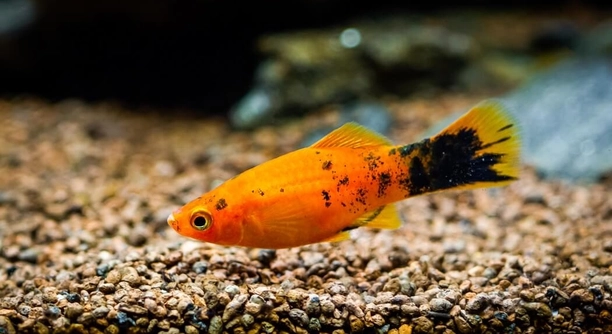
Platies are popular freshwater fish often kept in community tanks. Their peaceful nature makes them great companions for many other species. Many fishkeepers enjoy watching how platies interact with their tank mates over time.
Platies do not form strong attachments like mammals but can show familiarity and reduced aggression toward certain tank mates. Their social behavior is mainly driven by comfort and safety rather than emotional bonding.
Learning about these behaviors helps in creating a harmonious tank environment for your platies and other fish. The following details explain what to expect from platies in a shared aquarium.
How Platies Interact with Tank Mates
Platies are social fish that thrive in groups, which helps reduce stress and encourages natural behavior. They tend to swim together and share space without much conflict when the tank is well-maintained and roomy. However, their interaction mostly revolves around safety and comfort rather than emotional connections. Platies may occasionally chase or nip at smaller, slower fish, but this behavior usually isn’t aggressive—it’s more about establishing boundaries. When introduced to new tank mates, platies take time to adjust. They often observe and swim cautiously at first, gradually becoming more comfortable. Over time, platies recognize familiar fish by appearance and behavior, which lowers tension within the tank. They do not show affection in the way mammals do but do seem to prefer company that does not cause stress. Keeping the tank clean and avoiding overcrowding supports peaceful coexistence among all species.
This natural behavior shows platies value stability and safety over forming bonds.
In a community tank, platies adapt their social patterns based on the personalities of other fish. More active or territorial species may cause platies to hide or become more reserved. Calm species that swim at similar levels often get along better with platies. Providing plenty of plants and hiding spots helps reduce stress and gives platies places to retreat. Feeding routines can also influence social interactions—platies that feel secure during feeding are less likely to act defensively. While they won’t “bond” like some mammals, platies do remember and prefer peaceful companions. Watching their behavior can give clues about tank harmony and help you adjust the environment for the best experience.
Recognizing Signs of Comfort Among Platies
Platies show signs of comfort through relaxed swimming and shared spaces.
When platies are at ease, they swim openly and interact lightly with tank mates. They rarely display signs of stress such as hiding or aggressive chasing. Recognizing these signs can guide tank management and ensure a healthy environment for all fish involved.
Factors Influencing Platies’ Social Behavior
Tank size plays a big role in how platies behave with others. A cramped tank can increase stress and cause unwanted aggression or hiding.
Water quality also affects their mood and interactions. Poor conditions make platies less active and more defensive. Consistent cleaning and stable water parameters keep them healthy and calm.
The choice of tank mates matters too. Peaceful, similar-sized fish encourage positive interaction. Aggressive or very different species can lead to tension, making platies wary or withdrawn.
Creating a Peaceful Community Tank
Keeping plenty of plants and decorations provides shelter and reduces stress for platies and others. It helps fish avoid conflicts and feel secure.
Feeding should be done regularly with balanced food. Uneven feeding causes competition and stress. Monitoring fish behavior after feeding helps spot problems early and maintain harmony in the tank.
Common Tank Mates for Platies
Platies usually do well with other peaceful fish like guppies, mollies, and tetras. These species share similar water needs and temperaments.
Avoid housing platies with large, aggressive fish that might bully or stress them. Choosing compatible species helps keep the tank calm and balanced.
How to Introduce New Tank Mates
Introduce new fish slowly by using a quarantine tank first. This reduces the risk of disease spreading and helps observe behavior.
When adding them to the main tank, do it during feeding time to distract fish and lower aggression. Keep an eye on interactions for the first few days.
When to Separate Fish
If you notice constant chasing, biting, or hiding, it may be time to separate the fish. This protects their health and reduces stress for all involved.
FAQ
Can platies recognize individual tank mates?
Platies can recognize familiar fish over time based on appearance and behavior. They do not form emotional bonds but become less aggressive toward fish they see regularly. This recognition helps reduce stress and creates a more peaceful tank environment.
Do platies need to be kept in groups?
Yes, platies are social fish that feel safer in groups. Keeping at least three or more platies together helps them display natural behavior and reduces stress. Alone, platies may become shy or stressed, which can affect their health.
Can platies get stressed by aggressive tank mates?
Absolutely. Aggressive fish can cause platies to hide, lose appetite, or act defensively. Stress weakens their immune system, making them prone to illness. It’s important to choose calm tank mates to maintain harmony.
How can I tell if my platies are happy?
Happy platies swim actively and freely explore the tank. They eat well and interact with their environment without constant hiding or aggression. Bright colors and smooth fins also indicate good health and comfort.
Is it okay to keep platies with other livebearers?
Platies usually get along well with other livebearers like mollies, swordtails, and guppies. These species have similar care requirements and temperaments, which helps maintain a peaceful community tank.
What should I do if platies fight?
If platies start fighting, check for overcrowding, poor water quality, or stressful tank mates. Increasing hiding spaces or separating aggressive fish can help. Sometimes, rearranging the tank layout reduces territorial disputes.
Do platies form pairs or mating bonds?
Platies do not form lifelong pairs or bonds. They mate frequently and show interest in multiple partners. Their social interactions focus more on group safety than individual attachments.
How long does it take for platies to get used to new tank mates?
Adjustment periods vary, but platies usually take a few days to a week to get used to new fish. During this time, watch for signs of stress or aggression and be ready to intervene if necessary.
Can platies be kept with bottom dwellers?
Yes, platies often coexist well with peaceful bottom dwellers like corydoras or small loaches. These fish occupy different tank levels, reducing competition and stress. Just ensure all species have compatible water needs.
What role does tank decoration play in platy behavior?
Plants and decorations offer hiding spots and break lines of sight, reducing aggression and stress. A well-decorated tank encourages natural exploration and helps platies feel secure around their tank mates.
Do platies remember tank mates after separation?
Platies have limited memory for individual fish and may not remember tank mates after long separation. However, familiar fish within the same environment tend to cause less stress and aggression.
Are there signs that platies are lonely?
Lonely platies may become shy, hide more, or lose interest in food. They often swim less actively and seem less curious. Keeping platies in small groups helps prevent loneliness and promotes healthy social behavior.
Can platies live with aggressive species if the tank is large enough?
Even in large tanks, aggressive species can stress platies by constant chasing or nipping. It’s best to avoid mixing aggressive fish with platies to maintain peace and reduce health risks.
How important is feeding in platy social behavior?
Regular feeding reduces competition and stress. If food is scarce or unevenly distributed, platies may act aggressively. Feeding enough high-quality food supports calm interactions and overall health.
What’s the best way to introduce multiple species in a platy tank?
Introduce new species slowly and monitor interactions carefully. Starting with peaceful species and adding others gradually helps platies adjust without stress. Proper quarantine procedures prevent disease and maintain tank balance.
Platies are peaceful fish that generally do well in community tanks. While they do not form strong emotional bonds like mammals, they can become comfortable with certain tank mates over time. Their interactions are mainly based on feeling safe and avoiding stress. When platies recognize familiar fish, they usually show less aggression and swim more freely. This comfort helps create a calm environment in the tank. Knowing this can help you set up a healthy and balanced aquarium where platies and other fish live peacefully.
Creating a good tank environment is important for platies’ social behavior. Factors like tank size, water quality, and compatible tank mates play big roles in how they act. A spacious tank with clean water reduces stress and allows fish to swim naturally. Choosing calm species that share similar needs helps keep peace in the tank. Adding plenty of plants and hiding places gives platies areas to retreat when they feel threatened. Feeding fish regularly with balanced food also lowers competition and aggression. All these steps together encourage platies to feel safe and comfortable with their tank mates.
Understanding how platies behave helps in caring for them well. Although they don’t form deep attachments, they do respond to their environment and the company around them. Paying attention to their behavior and tank conditions can prevent problems and promote harmony. If signs of stress or fighting appear, making changes like adding space or separating aggressive fish may be needed. By providing a peaceful and healthy home, platies can live happily with others and show their natural, social side in your aquarium.

Hello,
If you enjoy the content that we create, please consider saying a "Thank You!" by leaving a tip.
Every little bit helps us continue crafting quality advice that supports the health, happiness, and well-being of pets around the world, for pets of all shapes, sizes, and species.
We really appreciate the kindness and support that you show us!