
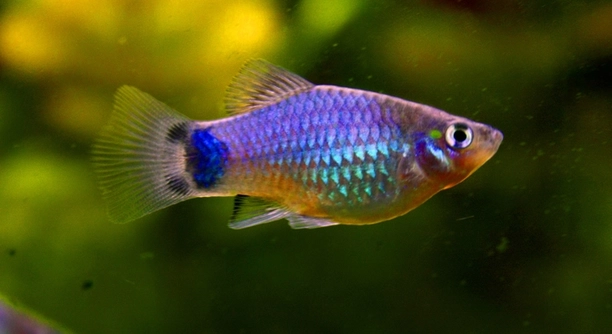
Platies are popular freshwater fish loved by many hobbyists. They are known for their bright colors and peaceful nature. Keeping their water clean is important to help them thrive and stay healthy.
Platies can adapt to frequent water changes if done properly. Sudden, large changes in water chemistry can stress them, but gradual and consistent water maintenance supports their well-being. Their adaptability depends on stable water parameters and careful handling.
Learning how to manage water changes can improve your platies’ comfort and health in the long run. Understanding the right approach makes a big difference for these small fish.
How Frequent Water Changes Affect Platies
Frequent water changes can have both positive and negative effects on platies. Regularly refreshing the water helps remove waste, toxins, and excess nutrients that build up over time. This keeps the tank environment clean and reduces the risk of diseases. However, if water changes are too large or happen too quickly, platies may become stressed. Sudden shifts in temperature, pH, or hardness can shock their systems, leading to health problems. It’s important to match the new water’s conditions closely with the tank water to avoid this. Gentle water changes done consistently help platies maintain their natural balance and remain active and colorful.
Proper timing is essential for water changes. Doing them every week or two is usually best. Too often or too rarely can cause problems.
Making water changes part of your regular care routine will support your platies’ overall health and keep their environment stable and safe.
Signs Platies Are Stressed by Water Changes
Stress in platies from water changes can show up in several ways. They might hide more often, lose their bright colors, or stop eating. Rapid breathing and unusual swimming behavior are also common signs. If stress is ignored, it can lead to illness or even death.
Stress can be minimized by making water changes slow and careful. Adding new water gradually and ensuring it matches tank conditions helps platies adjust without harm.
Keeping an eye on your platies during and after water changes lets you catch problems early. Watching for these signs helps maintain a healthy tank where your fish feel comfortable and thrive. Adjusting your water change habits based on their behavior is key to their well-being.
Preparing Water for Frequent Changes
Using water that matches your tank’s temperature and pH is essential. This helps platies avoid stress during changes.
Always treat tap water with a dechlorinator before adding it to the tank. Chlorine and chloramine are harmful to fish. Let the water sit for a while if you don’t use a conditioner. Testing water parameters regularly is a good habit. It ensures the new water will not shock your platies. Gradually adding new water over several minutes instead of all at once helps them adjust smoothly. This care keeps their environment stable and healthy.
Preparing water properly requires some patience but is worth the effort. Consistency in water conditions allows your platies to live comfortably. Paying attention to small details in water preparation prevents sudden changes that can harm them.
Frequency and Volume of Water Changes
Changing 10 to 20 percent of the water weekly is generally recommended for platies. This keeps toxins low without causing too much disruption. Large water changes done too often can unsettle the fish and affect beneficial bacteria. On the other hand, infrequent water changes allow waste to accumulate, which is unhealthy.
The right balance depends on your tank size, number of fish, and filtration system. Monitoring water quality will guide how often and how much to change. Smaller, regular changes tend to be less stressful for platies and better for tank stability. This approach supports a cleaner, healthier habitat for your fish to thrive.
Signs Your Platies Are Adjusting Well
Healthy platies swim actively and display bright colors after water changes. They show interest in food and interact normally with tank mates. These are good signs that they are coping well.
If your platies return to their usual behavior quickly, it means the water changes are not causing long-term stress.
Importance of Stable Water Parameters
Keeping water parameters like pH, temperature, and hardness consistent is vital for platies. Sudden changes can cause stress or illness. Monitoring these levels regularly helps catch problems early and maintain a safe environment. Stability helps platies grow and reproduce without unnecessary strain.
When to Adjust Your Water Change Routine
If platies show stress signs after water changes, it’s time to adjust. Reducing the volume or slowing the change process can help. Regular observation lets you find the best routine for your fish’s needs.
FAQ
How often should I change the water for platies?
For most platy tanks, a weekly water change of about 10 to 20 percent works well. This frequency helps keep toxins low while maintaining stable water conditions. If your tank is heavily stocked or filtered less efficiently, you might need more frequent changes. The key is to watch water quality and fish behavior closely to adjust as needed.
Can platies survive sudden big water changes?
Sudden large water changes can be harmful and cause stress. Platies are sensitive to quick shifts in temperature, pH, or hardness. If you must do a big change, it’s best to do it slowly by replacing water in smaller amounts over time. Gradual changes help platies adjust without shock and reduce the risk of illness.
What is the best way to prepare new water for platies?
Always treat new water with a water conditioner to remove chlorine and chloramine. Check that the temperature and pH match the tank water closely. Letting water sit for a day can help, but conditioners work faster and better. Testing your tap water regularly helps you understand how much treatment it needs before use.
What are common signs of stress in platies after water changes?
Look for hiding, loss of color, unusual swimming patterns, or refusal to eat. Rapid gill movement or gasping at the surface can also indicate stress. These signs mean the water conditions might have changed too much or too quickly. If stress is noticed, reduce the size and speed of future water changes.
Is it okay to change water more often than once a week?
Changing water more often than weekly is possible, but it should be done carefully. Small, frequent water changes can work if you maintain stable conditions. Avoid large volumes at once, as this can stress fish. Frequent changes require extra attention to water chemistry to prevent fluctuations.
How can I tell if my water change routine is working?
Healthy platies that swim actively, eat well, and display vibrant colors are signs your water routine is effective. Clear water and stable test results also show success. If your fish seem stressed or sick, it’s a sign to reassess your schedule and water preparation methods.
Does the size of the tank affect how often I should change water?
Yes, smaller tanks usually need more frequent water changes because toxins build up faster. Larger tanks have more water volume, which helps dilute waste and maintain stability longer. Adjust your water change frequency based on tank size, number of fish, and filtration efficiency.
Can frequent water changes disrupt beneficial bacteria?
Beneficial bacteria live mainly in the filter and on surfaces, and they help break down waste. Frequent large water changes can reduce these bacteria, causing spikes in ammonia or nitrites. Doing smaller, regular changes and avoiding full water replacements protects the bacteria and keeps the tank balanced.
What temperature should the new water be for platies?
New water should be within one or two degrees of your tank’s temperature, ideally around 72–78°F (22–26°C). Sudden temperature shifts can stress platies. Use a heater or let water sit at room temperature before adding it to the tank to avoid shocks.
Should I use distilled or bottled water for water changes?
Using distilled or bottled water alone is not recommended because they often lack the minerals platies need. They can cause water chemistry imbalances. Tap water treated with conditioner and properly matched in parameters is usually better for regular changes. If using bottled water, make sure to test and adjust parameters before adding it.
Frequent water changes are an important part of caring for platies. These fish thrive best in clean, stable environments. Changing the water regularly helps remove harmful waste and keeps the tank healthy. However, it is important to do water changes properly to avoid causing stress. Large or sudden water changes can upset the balance in the tank and affect the fish’s health. Taking time to prepare the water by matching temperature and pH makes a big difference. Using a water conditioner to remove harmful chemicals like chlorine is also necessary. When water changes are done carefully and consistently, platies can adapt well and continue to live happily in their aquarium.
Watching your platies closely after water changes is a good habit. Healthy platies will swim actively, eat well, and show bright colors. If you notice signs like hiding, fading colors, or unusual swimming, it might mean the water change was too sudden or the water chemistry changed too much. Adjusting how often you change water, how much you change at once, or how you prepare new water can help reduce stress. Remember that small, regular changes are usually better than large, infrequent ones. This helps maintain stability in the tank and supports the beneficial bacteria that keep the water clean.
In the end, caring for platies with frequent water changes is about balance. The goal is to keep the water fresh while making sure the fish are comfortable. Learning how your fish respond and paying attention to water quality will help you create a safe and healthy environment. With patience and proper care, platies can adapt well to frequent water changes. This helps them stay active and colorful for a long time. Following simple steps in water preparation and observation will improve your platies’ overall well-being and make your aquarium a better place for them to live.

Hello,
If you enjoy the content that we create, please consider saying a "Thank You!" by leaving a tip.
Every little bit helps us continue crafting quality advice that supports the health, happiness, and well-being of pets around the world, for pets of all shapes, sizes, and species.
We really appreciate the kindness and support that you show us!