
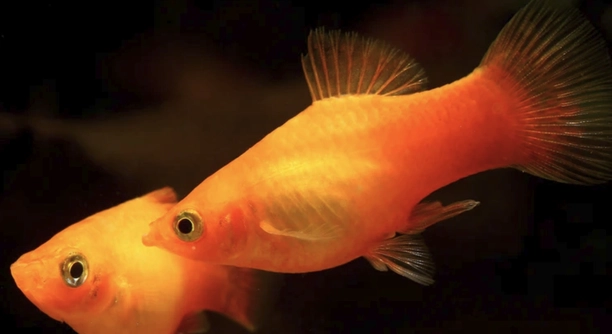
Many people enjoy keeping platies as colorful and peaceful aquarium fish. They often seem lively and healthy, but sometimes platies can show signs of discomfort or pain. Recognizing these signs early is important for their well-being.
Platies in pain may exhibit changes such as loss of appetite, unusual swimming patterns, lethargy, discoloration, clamped fins, rapid breathing, and visible injuries. These symptoms indicate distress and require prompt attention to prevent worsening health.
Knowing how to spot these signs can help you provide better care for your platy and keep your aquarium environment healthy and balanced.
Changes in Appetite and Behavior
When a platy is in pain, one of the first things you might notice is a change in its eating habits. A healthy platy usually eagerly swims to the food during feeding time. If it suddenly loses interest or stops eating altogether, this could be a sign of discomfort or illness. Along with appetite changes, behavior shifts often occur. The fish may hide more than usual or isolate itself from others. It might also swim awkwardly or rest at the bottom of the tank. These changes are clear signals that something is wrong. Monitoring feeding behavior and activity levels regularly can help catch issues early before they get worse.
Platies are active fish that rely on consistent eating patterns to stay healthy. Any notable shift should prompt a closer look at their environment and health.
Noticing these early signs can save a platy from serious harm. Taking quick action, such as checking water quality or consulting a vet, can improve their chances of recovery and keep them comfortable.
Unusual Swimming Patterns and Physical Signs
Platies usually swim smoothly and confidently around the tank. When in pain, their movement often becomes erratic or slow. You might see them darting suddenly, floating near the surface, or sinking to the bottom without control. Clamped fins or difficulty maintaining balance are other common signs. Physical changes such as discoloration or visible wounds also point to pain or disease. These symptoms often appear alongside behavioral changes and should never be ignored. Identifying these signs early helps prevent more serious health problems and ensures the platy receives proper care. Observing your fish closely for these physical and swimming irregularities is important to maintain their health.
Rapid Breathing and Clamped Fins
Rapid breathing in platies is a clear sign they might be stressed or in pain. You may notice their gills moving faster than usual.
Rapid breathing often indicates poor water quality or a lack of oxygen. It can also be a sign of internal illness or parasites. When combined with clamped fins—where the fins stay close to the body instead of spreading out—it suggests discomfort or stress. These symptoms mean the platy is struggling to maintain normal bodily functions and needs immediate attention.
Improving water conditions by testing for ammonia, nitrites, and nitrates can help. Adding aeration or reducing tank crowding can also ease breathing. If symptoms persist, a vet’s advice is necessary to identify any disease or infection.
Visible Injuries and Discoloration
Visible injuries, such as torn fins or sores, often indicate that the platy is in pain or has been attacked by other fish. Discoloration, like faded colors or dark patches, can also be a sign of illness or stress. Both injuries and color changes should be monitored closely, as they may worsen without treatment.
Treating visible wounds quickly helps prevent infections and promotes healing. Using aquarium salt or medicated treatments designed for fish can be effective. Maintaining clean water and reducing stress factors in the tank supports recovery. Discoloration might indicate underlying health issues such as fungal or bacterial infections, which may require more specific treatments prescribed by an expert. Watching your platy’s condition daily helps catch problems before they become severe.
Lethargy and Isolation
Lethargy is a common sign that a platy may be in pain or unwell. The fish might spend more time resting and less time swimming actively.
Isolation from other fish also signals distress. Platies are social and usually swim together, so avoiding company is a warning sign.
Loss of Balance and Coordination
When a platy loses its balance or has trouble swimming straight, it is likely experiencing pain or neurological issues. This can be caused by infections, swim bladder problems, or injuries. Affected fish may float sideways, struggle to stay upright, or crash into objects in the tank. These symptoms require quick action to improve water quality and consult a vet if needed to prevent further damage or death.
Changes in Color Intensity
Fading or dull colors in platies can indicate stress, pain, or illness. Healthy fish usually have bright, vibrant colors.
FAQ
How can I tell if my platy is just tired or really in pain?
Platies often rest at the bottom or hide when tired, but if they show other signs like loss of appetite, clamped fins, or unusual swimming, it likely means pain or illness. Pay attention to how long the behavior lasts. Short rest is normal, but ongoing lethargy combined with other symptoms means something is wrong.
What should I do if I notice my platy has rapid breathing?
Rapid breathing often points to poor water quality or low oxygen. First, check water parameters like ammonia, nitrite, nitrate, and oxygen levels. Improve aeration and reduce tank overcrowding. If water conditions are fine but rapid breathing continues, a vet check may be needed to rule out infections or parasites.
Can stress cause my platy to show signs of pain?
Yes, stress from overcrowding, aggressive tank mates, or sudden changes in water temperature can weaken a platy’s immune system. This makes them more likely to get sick and show pain signs. Keeping the tank stable and peaceful reduces stress and helps keep your platy healthy.
Is it normal for platies to hide a lot sometimes?
Platies do hide occasionally, especially when resting or during tank cleaning. However, if hiding becomes constant and is paired with other signs like loss of appetite or color changes, it may indicate pain or illness.
How do I treat visible injuries on my platy?
Clean the tank and ensure water quality is excellent. Use aquarium salt or fish antiseptic treatments to prevent infections. Isolate injured fish if needed to avoid bullying. Monitor healing closely and seek professional advice if wounds worsen or do not improve.
What causes a platy to lose balance or swim oddly?
This may result from swim bladder disease, infections, or physical injuries. Swim bladder problems affect buoyancy, making swimming difficult. Proper diet, clean water, and sometimes medication can help. Persistent balance issues require veterinary evaluation.
Can poor diet cause signs of pain in platies?
A poor diet weakens a fish’s immune system and can lead to illness or stress, which may show as pain. Providing a balanced diet with quality flakes, pellets, and occasional live or frozen foods supports health and prevents many problems.
When should I seek professional help for my platy?
If signs like rapid breathing, visible wounds, loss of balance, or color changes persist despite good water care and diet, a vet’s consultation is important. Early treatment can save your fish and prevent further suffering.
Can changes in water temperature cause my platy to be in pain?
Yes, sudden drops or rises in temperature stress fish and can cause illness. Keep the tank temperature stable, ideally between 72-78°F (22-26°C), to prevent discomfort and health issues.
How often should I check my platy for signs of pain?
Daily observation during feeding and tank maintenance is best. Early detection of abnormal behavior or physical changes allows prompt action, improving recovery chances. Making this part of your routine keeps your platy happy and healthy.
Final Thoughts
Taking care of a platy means paying attention to small details in their behavior and appearance. These little fish are usually active and colorful, so any change can be an important signal. Signs like loss of appetite, unusual swimming, or changes in color should not be ignored. They often mean the fish is uncomfortable or in pain. Watching your platy closely every day helps catch problems early. The sooner you notice something is wrong, the better the chance your platy has to recover quickly and stay healthy.
Maintaining a clean, stable tank is one of the best ways to keep your platy comfortable and prevent pain. Water quality has a big impact on fish health, so testing the water regularly is important. Making sure the temperature is steady and the tank is not overcrowded also reduces stress for your fish. Good diet and proper care support their immune system, helping them fight off infections and injuries. When you take these steps, you create a safe home where your platy can thrive without unnecessary suffering.
Sometimes, despite your best efforts, a platy might still show signs of pain or illness. When this happens, it’s important to act quickly. Treat visible wounds, adjust the environment, and consult a vet if needed. Early treatment can prevent small problems from becoming serious. Remember, platies cannot tell you when they hurt, so being attentive and patient is key. By understanding the signs of pain and responding with care, you can give your platy the best chance for a long and comfortable life.

Hello,
If you enjoy the content that we create, please consider saying a "Thank You!" by leaving a tip.
Every little bit helps us continue crafting quality advice that supports the health, happiness, and well-being of pets around the world, for pets of all shapes, sizes, and species.
We really appreciate the kindness and support that you show us!