
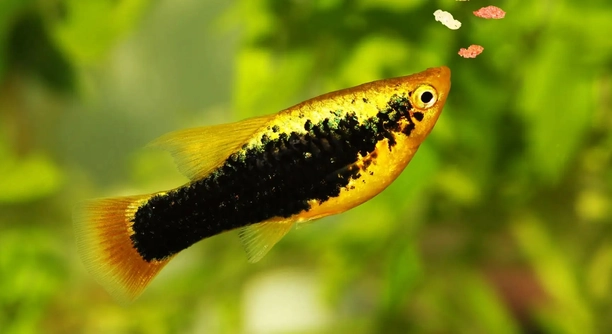
Is your platy fish hiding away instead of swimming with others? Sometimes these colorful aquarium companions seem to prefer solitude over socializing. Understanding why this happens can help improve their well-being and your enjoyment of your tank.
A platy may refuse to socialize due to stress, illness, poor water quality, or incompatibility with tank mates. Environmental factors and individual temperament significantly influence their social behavior and willingness to interact with other fish.
Learning what affects your platy’s social habits can guide you in creating a healthier environment. This knowledge will help you encourage better interaction and a happier aquatic community.
Common Reasons for Platy Social Withdrawal
Platies are usually social fish, but several factors can cause them to pull away from their tank mates. Stress is one of the main reasons. Changes in water temperature, poor water quality, or overcrowding can make a platy uncomfortable and less likely to socialize. Illness or injury also play a role, as sick fish tend to hide to conserve energy and avoid threats. Another cause is aggression from other fish, which can force a platy to retreat. Additionally, individual personality matters. Some platies are naturally more shy or territorial and may prefer solitude. Understanding these factors helps identify the root of the problem and improve your fish’s behavior.
Stress from environmental changes can reduce a platy’s willingness to interact with others.
Adjusting tank conditions and monitoring fish health are essential. Ensuring stable water parameters, avoiding overcrowding, and providing hiding spaces allow shy or stressed platies to feel safer and gradually socialize more. Observation and patience help create a comfortable habitat where platies can thrive. Maintaining proper water quality with regular tests and changes keeps fish healthy and less prone to stress or disease. When aggression occurs, separating aggressive fish or rearranging tank decorations can reduce conflicts. Each platy’s behavior may vary, so understanding their needs ensures better social balance in your aquarium. A well-maintained tank with peaceful companions encourages platies to be more active and sociable.
How to Encourage Your Platy to Socialize
Creating a calm and stable environment helps your platy feel secure and more willing to interact with other fish. Avoid sudden changes in water temperature or lighting, as platies react to these disruptions. Provide plenty of plants and decorations where your fish can hide when they feel threatened. Introducing compatible tank mates in appropriate numbers prevents overcrowding and aggression, which keeps stress levels low. Feeding a balanced diet also supports their health and behavior.
A peaceful, well-structured tank encourages better social behavior in platies.
To promote socializing, start by checking water quality and adjusting parameters to ideal levels: temperature around 70-77°F, pH between 6.8 and 8.0. Maintain a regular cleaning schedule and monitor ammonia and nitrate levels carefully. Ensure your tank has enough space—about 10 gallons per platy is recommended—to reduce territorial disputes. Adding live plants helps create a natural environment that encourages exploration and interaction. Avoid mixing platies with overly aggressive or large fish that intimidate them. If a platy continues to isolate, consider temporarily separating it for observation or treatment. Patience is important; social behavior can improve gradually when conditions are right. Providing consistent care and attention will help your platy regain confidence and enjoy its place among tank mates.
Signs Your Platy Is Unhappy or Stressed
A platy that refuses to socialize may show clear signs of stress or unhappiness. It might hide more often, lose its bright colors, or stop eating regularly. Erratic swimming or gasping near the surface can also indicate discomfort or illness.
Stress weakens a platy’s immune system, making it vulnerable to diseases. Poor water quality often causes these symptoms, so testing your tank is crucial. A stressed fish may also stay isolated in one corner or behind plants, avoiding interaction. Identifying these signs early allows for quicker intervention to restore your platy’s health and improve its social behavior.
Keeping an eye on your platy’s behavior helps catch problems before they worsen. Simple changes like cleaning the tank or adjusting temperature can reduce stress significantly. Sometimes, illnesses require treatment with medication, so acting fast is important. Ensuring a peaceful tank environment and proper nutrition supports recovery. A healthy, stress-free platy is more likely to swim actively and interact with other fish. Patience and consistent care are key to helping your platy feel comfortable again.
Adjusting Tank Environment to Promote Socializing
Proper tank setup directly affects a platy’s willingness to socialize. Space is essential; overcrowded tanks cause stress and competition, leading to isolation. Keeping about one platy per 10 gallons provides enough room for comfortable movement.
Stable water conditions with ideal temperature, pH, and cleanliness encourage healthy behavior. Adding plants and decorations creates hiding spots that reduce anxiety and encourage exploration. Avoid mixing platies with aggressive or very large fish, which can intimidate them and limit social interaction. Observing your fish regularly and adjusting tank conditions can make a big difference in their comfort and social habits.
Feeding Habits Affecting Social Behavior
A platy that is not eating well may withdraw from others. Hunger or discomfort from poor diet can cause them to hide.
Providing a balanced diet with quality flakes, pellets, and occasional live or frozen foods helps maintain their energy and mood.
Impact of Tank Mates on Platy Socialization
Aggressive or overly active fish can intimidate platies, causing them to avoid interaction. Choosing peaceful companions is important to reduce stress.
Ensuring compatible species with similar temperaments promotes harmony. Avoid fish known for fin-nipping or territorial behavior, which can disrupt social balance.
Monitoring Water Quality Regularly
Regular testing for ammonia, nitrites, and nitrates keeps your tank safe. Poor water quality stresses fish and affects behavior.
When to Consult a Veterinarian
If your platy continues to avoid others despite ideal conditions, medical issues might be involved. A vet can diagnose and treat underlying problems promptly.
FAQ
Why is my platy hiding all the time?
Platies often hide when they feel stressed, sick, or threatened by tank mates. Poor water conditions or sudden changes in the tank environment can make them seek shelter. Providing plenty of plants and decorations gives them safe spots, but if hiding becomes constant, check water quality and health.
Can platies be shy by nature?
Yes, some platies have a naturally shy personality. They may take longer to feel comfortable around others or in new environments. Shyer platies might prefer quiet corners and avoid busy areas of the tank until they feel safe.
How long does it take for a platy to start socializing again?
This depends on the cause of isolation. If it’s stress or poor conditions, improvements may be visible within a few days to weeks. Illness recovery might take longer. Patience is key, along with consistent care and monitoring.
What are ideal water conditions for platies?
Platies thrive in temperatures between 70-77°F (21-25°C), with a pH level from 6.8 to 8.0. Water hardness should be moderate. Keeping ammonia and nitrites at zero and nitrates low is essential to avoid stress and health issues.
How many platies should I keep together?
A good rule is one platy per 10 gallons of water. This provides enough space to reduce competition and stress. Overcrowding can cause aggression and hiding behavior, leading to less social interaction.
Can poor diet cause social withdrawal?
Yes, an unbalanced diet lacking nutrients can weaken your platy, making it less active and more likely to isolate. Feeding high-quality flakes or pellets with occasional live or frozen foods supports their health and encourages natural behaviors.
What tank mates work best with platies?
Peaceful fish like guppies, mollies, and tetras usually get along well with platies. Avoid aggressive or fin-nipping species that can scare or harm them, causing social withdrawal.
Is it normal for a platy to be alone sometimes?
Yes, platies sometimes enjoy brief periods of solitude. This is natural and not always a sign of a problem. However, prolonged isolation can indicate stress or health issues.
How can I tell if my platy is sick?
Look for signs like faded colors, clamped fins, lethargy, loss of appetite, or unusual swimming patterns. Gasping at the surface or rubbing against objects also signals distress. Early detection helps with effective treatment.
Should I separate a platy that refuses to socialize?
If isolation lasts long and other fish are aggressive, separating your platy temporarily can reduce stress and allow recovery. Monitor the isolated fish closely and reintroduce it once healthy and calm.
Can stress cause permanent changes in platy behavior?
Chronic stress can lead to long-term behavioral changes, including persistent hiding or aggression. Maintaining a stable, clean environment helps prevent stress-related issues and promotes natural social behavior.
How often should I clean the tank to keep platies healthy?
Regular partial water changes of about 20-30% every week or two help maintain good water quality. Cleaning filters and removing waste prevent harmful buildup, reducing stress on your fish.
Does lighting affect platy social behavior?
Yes, sudden bright lights or inconsistent lighting can stress platies, causing them to hide. Using a consistent light schedule with gentle lighting helps them feel secure and active.
What role do plants play in platy socialization?
Plants provide hiding spots that reduce stress and aggression. They also create a more natural environment, encouraging platies to explore and interact. Live plants improve water quality by absorbing nitrates.
Can adding new fish affect platy social behavior?
Introducing new fish can temporarily stress platies, causing them to withdraw. Quarantining new additions and introducing them slowly helps reduce stress and maintain social harmony.
Final Thoughts
Platies are usually social and active fish, but sometimes they may refuse to interact with other tank mates. This behavior is often linked to stress, illness, or changes in their environment. When a platy stops socializing, it is important to look closely at the tank conditions and their overall health. Keeping water clean and stable plays a big role in helping platies feel safe and comfortable. Regular testing of water parameters such as temperature, pH, ammonia, and nitrates is necessary to prevent problems that cause stress. Small changes in water quality or overcrowding can quickly affect a fish’s mood and behavior.
Creating a peaceful and well-maintained tank helps platies thrive. Providing enough space for each fish, avoiding aggressive tank mates, and adding plants or decorations to offer hiding spots can encourage platies to come out and socialize more. Feeding a balanced diet also supports their health and natural activity. Sometimes platies may need time to adjust to new environments or companions. Patience and careful observation are important during these times. Watching for signs like loss of color, lack of appetite, or unusual swimming helps catch health issues early. If illness is suspected, prompt treatment can prevent long-term effects.
In the end, understanding your platy’s needs is key to encouraging social behavior. Each fish has its own personality, and some may be more reserved than others. The goal is to create an environment where all fish feel secure and healthy. By maintaining proper tank conditions, choosing peaceful companions, and offering a good diet, you can help your platy regain confidence and enjoy interacting with others. Consistent care and attention will lead to a happier, more active fish that adds beauty and life to your aquarium.

Hello,
If you enjoy the content that we create, please consider saying a "Thank You!" by leaving a tip.
Every little bit helps us continue crafting quality advice that supports the health, happiness, and well-being of pets around the world, for pets of all shapes, sizes, and species.
We really appreciate the kindness and support that you show us!