
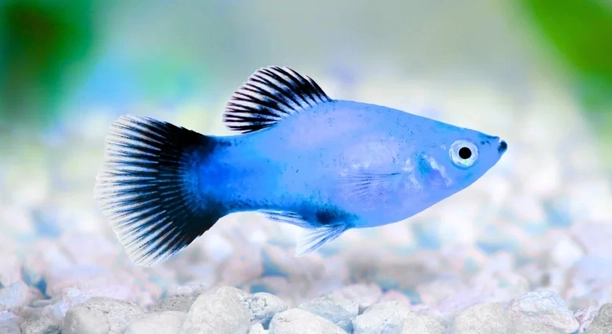
Have you ever noticed your platy fish acting a little off when their fry are no longer around in the tank?
Platies are social fish and can experience stress or boredom when left alone, especially after the removal of fry. Their behavior may change due to the sudden lack of activity and companionship in their environment.
Understanding how platies react to social changes can help you maintain a balanced, healthy aquarium that supports their emotional well-being.
Why Social Interaction Matters for Platies
Platies are naturally social fish that thrive in groups. In the wild, they often swim in schools, which helps reduce stress and provides a sense of security. In a home aquarium, this instinct doesn’t disappear. When platies are kept alone or in small numbers, especially after fry have been removed, they may start showing signs of loneliness or restlessness. You might notice less movement, reduced appetite, or a general lack of engagement. These behaviors can be linked to the sudden drop in social interaction. Adding a few more platies or compatible tank mates can help improve their mood and activity level. A peaceful community setup allows platies to display their natural behaviors, keeping them more comfortable and balanced. Keeping the tank enriched with plants and space to explore can also reduce stress, giving them more ways to stay active even without fry around.
Platies may not form strong bonds with their fry, but they do react to a less stimulating environment.
Behavioral changes are common when the tank dynamic shifts. Even without a deep connection to their fry, the presence of those tiny swimmers creates motion and energy that platies often respond to. Once they’re gone, the tank feels quieter and less lively. While this may not cause immediate distress, over time, the lack of stimulation can lead to reduced activity or even mild stress. Keeping platies mentally engaged is important for their health. Consider adjusting the tank setup by adding new décor, rearranging plants, or introducing compatible fish to restore balance. If breeding isn’t the goal, having a consistent group of similar-sized platies often works well. This provides both interaction and movement, helping them feel secure and active. Watching their natural curiosity and calm swimming patterns return is a clear sign you’re meeting their needs.
How to Prevent Loneliness in a Platy Tank
Removing fry doesn’t always lead to loneliness, but it can affect the tank’s atmosphere.
To maintain a healthy tank environment, it’s helpful to keep platies in groups of three or more. This gives them regular interaction and a sense of safety. When fry are no longer present, adding new fish or slightly rearranging the tank can refresh their space. A varied environment helps prevent boredom and keeps them active. Floating plants, hiding spots, and gentle filtration also make a difference. Since platies are peaceful and adaptable, they usually respond well to simple changes. Feeding routines and lighting can be adjusted too. Avoid isolating one fish for long periods, as it may cause anxiety or sluggish behavior. Small, steady improvements help maintain emotional balance and reduce the risk of stress-related health issues. Consistent attention to their social needs makes your tank more stable, and you’re more likely to see happy, healthy platies swimming around without worry.
Signs Your Platy Might Be Lonely
Lonely platies often become less active and may isolate themselves near the bottom or in corners of the tank. Their eating habits can change too, and they may ignore food or eat more slowly than usual.
Unusual behavior is often the first sign that something isn’t right. If your platy was once active and curious but now stays still or avoids other fish, it could be reacting to a quieter environment. You might also see a duller color or slower swimming, which can be signs of mild stress. While these changes can have other causes, they often follow a shift in the tank, like removing fry or a tank mate. Loneliness affects some platies more than others, depending on their temperament and past social structure. Monitoring these patterns helps you decide when it’s time to make adjustments to restore balance in the tank.
Reduced interaction with tank mates is another common sign. If your platy avoids other fish or doesn’t respond to movements in the tank, it may be feeling disconnected. While this doesn’t always mean they’re unwell, it does suggest they’re missing something in their environment. Adding compatible fish or providing more stimulation through plants and gentle currents can encourage movement. Watching for consistent behavior changes will help you recognize loneliness early, so your fish can remain active and content. A well-balanced tank setup can often reverse these signs and bring back normal activity levels in just a few days.
Simple Ways to Help Your Platy Feel Secure
Start by making the tank feel safe. Add live plants, floating leaves, or small decorations to create hiding spots and break up open space. These changes can comfort your platy and help it feel more secure in a shared tank.
If your platy seems lonely after fry removal, consider adding more peaceful tank mates like guppies or mollies. These species tend to interact well and keep the tank active without adding stress. Stick to compatible sizes to prevent competition. You can also try rearranging the tank’s layout. A new structure encourages curiosity and can break up inactive patterns. Keep lighting soft and ensure filtration doesn’t create harsh currents. Feeding a varied diet and offering food in small, regular amounts also helps them stay engaged. Most importantly, avoid keeping platies completely alone. Even two or three tank mates can make a noticeable difference in mood and behavior. Regular observation helps maintain stability.
Do Platies Miss Their Fry?
Platies do not form emotional bonds with their fry, so they don’t miss them in a human sense. However, the absence of movement and activity after fry removal may still affect their overall engagement in the tank.
The fry’s presence creates motion and energy, which adult platies naturally respond to. Without it, their environment can feel less stimulating, leading to minor behavioral shifts.
When to Adjust the Tank Setup
If your platy becomes less active, hides more often, or stops interacting with others, it may be time to adjust the tank setup. Changes like adding peaceful companions, increasing plant coverage, or updating décor can help. Even small changes often improve their mood and behavior quickly.
Creating a Peaceful Tank Atmosphere
A peaceful tank keeps platies relaxed and engaged. Avoid aggressive fish, reduce loud noises near the tank, and maintain a steady lighting and feeding schedule.
FAQ
Can platies get lonely without their fry?
Platies do not develop strong emotional connections with their fry, so loneliness in a human sense is unlikely. However, the absence of fry can change the tank’s activity level. Platies respond to movement and social stimulation, so when fry are removed, the tank becomes quieter, which might cause platies to be less active or appear restless.
How many platies should be kept together to prevent loneliness?
It is best to keep platies in groups of at least three. This number encourages natural schooling behavior and social interaction. Smaller groups or isolated platies may feel less secure or bored, leading to inactivity or stress. A group provides comfort and reduces the risk of loneliness or behavioral problems.
Will platies become aggressive if they are lonely?
Generally, platies are peaceful fish and do not turn aggressive due to loneliness. Instead, they may become withdrawn or less active. If aggression occurs, it is more likely related to overcrowding, poor tank conditions, or incompatible tank mates rather than loneliness. Maintaining proper group sizes and tank conditions usually prevents aggression.
How can I tell if my platy is stressed or lonely?
Signs include reduced swimming, hiding frequently, dull coloration, and loss of appetite. While these symptoms can have other causes, they often point to environmental or social stress. Observing consistent changes after fry removal or isolation may suggest your platy is affected by a lack of social interaction or stimulation.
What tank conditions help platies feel secure?
Providing plenty of plants, hiding spots, and gentle water flow creates a comfortable environment. Soft lighting and a stable temperature also reduce stress. These conditions mimic natural habitats and encourage platies to explore and interact, which supports their emotional well-being.
Is it necessary to keep fry with adult platies?
It is not necessary or always recommended to keep fry with adults, as adults may eat fry or stress them. Removing fry from the tank helps protect them. The absence of fry does not harm adult platies if other social and environmental needs are met.
Can adding other fish help lonely platies?
Yes, adding peaceful tank mates like guppies or mollies can improve social interaction and increase tank activity. Make sure new fish are compatible in size and temperament to avoid stress. A well-planned community tank keeps platies engaged and healthy.
Does rearranging the tank help platies adjust after fry removal?
Changing the layout or adding new decorations can stimulate curiosity and reduce boredom. This helps platies adapt to changes and stay active. Regular updates to the environment encourage natural behaviors and prevent stagnation.
How often should I feed platies to keep them active?
Feed small amounts two to three times a day to maintain energy and interest. Overfeeding can cause water quality problems, while underfeeding may reduce activity. Balanced feeding supports good health and keeps platies lively.
Can stress from loneliness affect platy health?
Chronic stress can weaken the immune system and make platies more prone to illness. Addressing social and environmental needs reduces stress and supports long-term health. A well-maintained tank with proper companions helps prevent these issues.
Final Thoughts
Platies are social fish that rely on interaction and a stimulating environment to stay healthy and active. While they do not form emotional bonds with their fry, the presence of fry often adds movement and life to the tank, which platies respond to positively. When fry are removed, the tank becomes quieter and less lively, which can lead to minor changes in platy behavior. These changes might include reduced activity, hiding more often, or eating less. Such signs are not uncommon, but they do indicate that the fish might benefit from some adjustments in their environment. Recognizing these shifts early can help ensure that your platies remain comfortable and engaged in their home.
Maintaining a balanced social group is important to prevent loneliness or stress in platies. Keeping at least three platies together provides natural interaction and safety. When fry are no longer present, introducing peaceful tank mates or enhancing the tank with plants and decorations can also help. These changes encourage exploration and natural behaviors, helping platies feel secure and occupied. It’s important to keep the tank environment stable with soft lighting, gentle filtration, and a consistent feeding schedule. Avoiding overcrowding and aggressive fish also contributes to a peaceful atmosphere. By meeting their social and environmental needs, you can reduce stress and support your platies’ well-being.
Ultimately, the key to caring for platies lies in observation and small adjustments. Watching for signs of stress or loneliness and responding with changes to tank setup or social group size can keep your fish happy. Removing fry does not harm adult platies if their surroundings remain engaging and supportive. A well-maintained tank that provides stimulation, companionship, and comfort allows platies to thrive. Keeping these factors in mind helps create a healthy, balanced aquarium where your platies can swim actively and display their natural, peaceful behavior.

Hello,
If you enjoy the content that we create, please consider saying a "Thank You!" by leaving a tip.
Every little bit helps us continue crafting quality advice that supports the health, happiness, and well-being of pets around the world, for pets of all shapes, sizes, and species.
We really appreciate the kindness and support that you show us!