
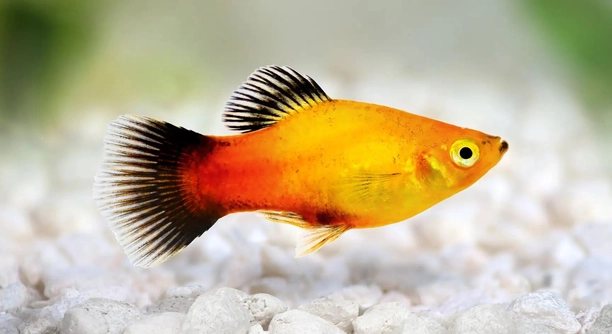
Have you ever noticed your platy fish wiggling right before it starts to swim and wondered what that behavior means? This small but noticeable action often leaves fish owners curious about its purpose and meaning.
Platies wiggle before swimming as a way to build momentum, stabilize their body, and communicate with other fish. This behavior helps them adjust their posture and readiness, making their movements more efficient and responsive within the aquatic environment.
This simple motion reveals much about their physical coordination and social instincts in the tank. Let’s explore how this behavior supports their overall well-being.
What the Wiggle Really Means
The wiggle you see before a platy starts swimming is more than just a quirky movement—it’s part of how they prepare their bodies to move. This small motion allows them to align their fins, adjust their balance, and give their muscles a slight boost before propelling forward. It’s especially noticeable in healthy, active platies that have plenty of space and stimulation in their tank. These quick movements also help them stay aware of their surroundings and other fish. Wiggles can be a type of body language, offering subtle signals to nearby tankmates. Whether it’s establishing personal space or responding to activity nearby, this short motion helps keep things calm and organized in a shared space. When platies wiggle, they’re combining instinct and communication in one tiny action.
This behavior is especially common before short bursts of movement, signaling readiness and awareness. It reflects natural instincts rooted in their need for survival.
Watching this behavior helps you understand how platies interact with their space. It shows you how they stay alert, communicate, and remain physically ready. These little motions may seem simple, but they reflect a healthy, attentive fish. Supporting that behavior starts with the right environment, so your fish feels safe and active enough to move naturally.
How Environment Affects Wiggle Behavior
A platy’s environment plays a big role in how often and confidently it wiggles. Tank size, water flow, light, and social dynamics all influence this behavior.
If a platy doesn’t feel secure in its surroundings, it may stop showing these little signs of activity. An overcrowded tank, poor water quality, or the presence of aggressive tankmates can lead to stress, making the fish less likely to display its usual pre-swim wiggles. Proper tank maintenance supports their natural behavior by reducing discomfort and encouraging healthy movement. A well-balanced habitat gives them the space to swim freely and wiggle naturally. Platies are active fish by nature, and when they have enough stimulation, they’re more likely to behave normally. It also helps to add live plants or soft decorations, which give them safe areas to rest and move around. Keeping a close eye on their actions tells you a lot about their overall comfort and well-being. The wiggle before swimming is a good sign your fish feels relaxed and responsive to its environment.
Signs the Wiggle Is Normal or Not
Most of the time, a quick wiggle before swimming is normal and healthy. It shows the platy is alert, active, and responsive to its environment. You’ll usually see it happen during feeding times or while exploring the tank.
If the wiggle is smooth and followed by regular swimming, there’s no need for concern. Normal wiggles are short, balanced, and often linked with curiosity or excitement. However, if the movement seems repetitive, overly intense, or is paired with unusual swimming patterns, it may suggest something is wrong. Signs like floating sideways, hiding for long periods, or a lack of appetite could point to stress or illness. Pay attention to frequency and intensity, especially if changes happen suddenly. Consistent behavior is key—if your platy seems off, start by checking the tank conditions.
A sudden change in behavior can be the first sign of discomfort. If wiggles become frantic, it could be due to poor water quality or a sudden shift in temperature. Use a test kit to check ammonia, nitrite, and pH levels. Platies react quickly to their surroundings, so noticing these shifts early can help prevent problems from getting worse. Make sure their space remains consistent and calm.
When to Be Concerned
If the wiggle becomes excessive or erratic, it may be linked to stress, parasites, or poor water conditions. Unlike normal wiggling, concerning movements often look twitchy or come with flashing behavior or gasping.
In some cases, parasites like ich can irritate the skin, prompting the fish to wiggle and rub against tank surfaces. If this behavior is combined with white spots or inflamed gills, treatment is needed quickly. Poor water quality is another major factor. High ammonia or low oxygen levels can also cause discomfort, leading to strange swimming habits. Check the tank filter, make partial water changes, and watch for signs like clamped fins or lethargy. Platies are sensitive but responsive—when something is off, their behavior tells you. Make changes gradually, and try to restore balance without introducing sudden stressors. The sooner you respond, the more likely your platy will return to its normal, gentle wiggle.
How to Support Healthy Wiggle Behavior
Keep the tank clean and stable to encourage natural movements. Regular water changes, proper filtration, and a consistent temperature help platies feel safe. A balanced diet also supports muscle strength and energy for normal pre-swim wiggles.
Add live plants, hiding spots, and gentle lighting to create a calming space. Avoid overcrowding the tank or placing them with aggressive fish. Stress-free surroundings allow platies to move comfortably and display healthy behaviors without fear or tension.
Understanding Social Triggers
Platies often wiggle more when interacting with other fish. It can be a response to excitement, competition, or establishing space. These quick motions help prevent aggression by signaling awareness without confrontation. In peaceful tanks, social wiggles are brief and natural. Watching how they respond to others gives helpful insight.
Final Thoughts on Wiggles
A normal wiggle before swimming is part of a platy’s natural rhythm. When supported with the right care, this little movement shows energy, comfort, and alertness in their everyday routine.
FAQ
Why does my platy fish wiggle but not swim right away?
This behavior usually means your platy is preparing to move. The wiggle helps them align their body and stabilize their fins before swimming. It can also be a sign that they’re checking their surroundings first. As long as the motion is brief and followed by normal swimming, it’s perfectly fine.
Is wiggling a sign of illness in platies?
Not always. Wiggling is often natural, especially when it happens before swimming. However, if your platy is wiggling constantly, rubbing against objects, or showing signs of distress like clamped fins or heavy breathing, it could be a symptom of illness or irritation.
Do platies wiggle when they’re happy?
Yes, in a way. Wiggling can be linked to excitement, especially during feeding or social interaction. It’s one of several normal behaviors platies display when they feel safe and alert. Happy platies are usually active, curious, and swim with purpose.
Can poor water quality cause unusual wiggling?
Yes. High ammonia or nitrite levels, or extreme pH changes, can irritate your platy and cause odd movements. When water conditions are off, fish may wiggle more often or swim erratically. Always test the water first if behavior changes suddenly.
How can I tell if my platy is stressed?
Stressed platies may hide, lose their appetite, or become less active. Excessive or frantic wiggling, especially near the bottom or corners of the tank, can also be a sign. Watch for rapid gill movement or any changes in color or posture.
Is it normal for platies to wiggle more during feeding?
Yes, many platies get more active when food is introduced. The wiggling may be a sign of excitement as they prepare to swim and compete for food. It’s a common behavior, especially in healthy, well-adjusted fish.
Should I be worried if my platy stops wiggling altogether?
If your platy used to wiggle regularly and suddenly stops, observe other behaviors. A lack of energy, refusal to eat, or swimming problems may suggest illness or stress. Try to identify any recent changes in tank conditions or social dynamics.
Can lighting affect how much platies wiggle?
Yes. Harsh or inconsistent lighting can make platies feel insecure. Soft, stable lighting helps reduce stress and allows them to move naturally. If lighting changes suddenly, it might cause the fish to act differently, including less movement or increased hiding.
Do platies wiggle to communicate with each other?
They do. Wiggling can act as a non-aggressive signal, letting other fish know they are nearby or setting space boundaries. It’s part of their social behavior and helps reduce conflict in community tanks.
How can I support natural behavior in my platies?
Give them a clean, stable environment with proper water conditions. Include plants, gentle lighting, and tank mates that match their peaceful nature. Feed them a varied diet and avoid overcrowding. These factors all help encourage calm, natural behaviors like wiggling.
Is wiggling the same as flashing in fish?
No. Wiggling is a short, controlled movement done before swimming, while flashing usually involves sudden, repeated rubbing against objects and is a sign of irritation or parasites. The two look different and mean different things for your fish’s health.
Do all platies wiggle the same way?
Not exactly. Individual fish have slightly different personalities and movement styles. Some may wiggle more often, while others may be more subtle. As long as the behavior is consistent and doesn’t change suddenly, it’s usually normal for that fish.
Final Thoughts
Platies are active, curious fish with behaviors that are easy to notice once you spend time observing them. One of the most common behaviors is the gentle wiggle they make before swimming. This motion may seem small, but it plays a meaningful role in how they move, interact, and respond to their surroundings. It’s a sign that your fish is alert, aware, and physically preparing to swim. In most cases, this type of movement is a normal part of their behavior and nothing to worry about. It helps to think of it as a way for your platy to stay balanced and in control before taking off through the water.
However, paying close attention to the details of that wiggle can give you useful insight into your fish’s well-being. If the wiggle starts to look too intense, happens too often, or is followed by other unusual signs like hiding, loss of appetite, or strange swimming patterns, it may be time to check the tank conditions. Platies are sensitive to changes in water quality, temperature, and tank dynamics. Even small shifts in their environment can lead to noticeable changes in behavior. That’s why regular maintenance, clean water, and calm surroundings are so important. The goal is to support a space where platies feel secure enough to display their natural habits without stress.
Watching your platy’s wiggle might feel like a small part of fishkeeping, but it’s a reliable sign that things are going well in the tank. When their behavior is steady and consistent, it often means their environment is balanced. The more you understand these little movements, the easier it becomes to catch early signs of discomfort or stress. And when everything is working right—clean water, good food, enough space, and peaceful tankmates—you’ll see that calm, pre-swim wiggle as a normal part of their daily life. It’s a small but clear reminder that your care and attention make a real difference.

Hello,
If you enjoy the content that we create, please consider saying a "Thank You!" by leaving a tip.
Every little bit helps us continue crafting quality advice that supports the health, happiness, and well-being of pets around the world, for pets of all shapes, sizes, and species.
We really appreciate the kindness and support that you show us!