
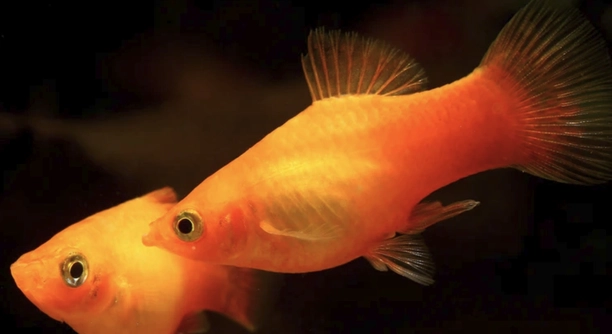
Platies are popular freshwater fish known for their vibrant colors and easy care. Many owners want to provide a varied diet that supports their health and happiness. Understanding what foods are safe for platies is important for any fishkeeper.
Yes, platies can eat some fruits, but only in small amounts and with caution. Fruits should never replace their main diet, as too much sugar or improper fruit types can harm their digestion and overall health.
Feeding fruit occasionally can add variety, but knowing the right types and quantities will help keep your platies healthy and thriving.
What Fruits Can Platies Safely Eat?
Not all fruits are suitable for platies. Safe options include small amounts of watermelon, apple (without seeds), and pear. These fruits contain water and nutrients that can be beneficial in moderation. Avoid citrus fruits like oranges and lemons, as their acidity can upset a platy’s delicate digestive system. Always wash fruits thoroughly and remove seeds or pits before offering them to your fish. Chop the fruit into very small pieces to make it easier for platies to eat. Feeding fruit too often or in large amounts may lead to water quality issues or health problems. It is best to offer fruit as an occasional treat rather than a regular part of their diet. This approach helps maintain a balanced nutrition and keeps the aquarium environment stable.
Introducing fruit occasionally can provide enrichment without compromising your platy’s health or tank cleanliness.
Platies mainly require a diet rich in protein and plant matter, which comes from high-quality flake or pellet foods designed for tropical fish. Fruit is not a substitute but a complement. When introducing fruit, watch for any signs of digestive upset or changes in behavior. Remove uneaten pieces promptly to prevent water contamination. By following these guidelines, fruit can add some natural variety to your platies’ diet while keeping their environment healthy and stable.
How to Prepare and Feed Fruit to Platies
Fruit preparation is key to ensuring your platies benefit safely. Wash fruit well to remove any pesticides or chemicals. Remove all seeds and pits, as they can be harmful or cause choking. Cut the fruit into tiny, manageable pieces no larger than a grain of rice. This size helps prevent choking and makes it easier for platies to nibble small bites.
Feeding fruit too often or in large amounts can pollute the tank water and cause digestive issues.
When feeding, offer a few small pieces once or twice a week at most. Observe how your platies respond and adjust accordingly. Remove leftover fruit quickly to avoid water quality problems, which can stress fish. Using a feeding spoon or tweezers can help control portions. Remember, fruit treats are only a minor addition; maintaining a well-balanced diet with commercial foods remains essential for your platies’ health and longevity.
Risks of Feeding Fruit to Platies
Feeding fruit to platies comes with risks, mainly due to sugar content and water quality. Excess sugar can upset their digestive systems and cause health problems. Uneaten fruit can also pollute the tank, leading to poor water conditions.
Sugar in fruit can quickly ferment in the water, encouraging bacterial growth and algae blooms. This reduces oxygen levels, which stresses fish and can lead to illness. Additionally, too much sugar may disrupt the balance of beneficial gut bacteria in platies, causing digestive upset or bloating. Monitoring how much fruit you offer and promptly removing leftovers helps reduce these risks. Keeping the tank clean and well-maintained will also support your fish’s health when offering fruit treats.
It’s important to remember fruit should never replace the regular, balanced diet of quality fish food. Use fruit sparingly and observe your platies for any negative reactions.
Alternatives to Feeding Fruit
Vegetables and algae-based foods are better alternatives to fruit for adding variety. Blanched zucchini, peas, or spinach provide fiber and nutrients without excess sugar. Algae wafers or spirulina flakes also support healthy digestion and coloration.
Vegetables offer essential vitamins and minerals while being easier on the fish’s digestive system. Many platies enjoy nibbling on these plant-based foods. These options promote a balanced diet and help maintain water quality better than fruit treats. Feeding small portions occasionally enriches your platies’ diet without risking health or tank stability. Consistently offering commercial fish food with these additions ensures nutritional needs are met. Choosing these alternatives supports a healthy, vibrant aquarium environment over the long term.
Monitoring Your Platies’ Reaction to Fruit
Always watch your platies closely after introducing fruit. Look for changes in behavior, appetite, or swimming patterns. Any signs of distress may indicate fruit is not suitable.
If digestive problems like bloating or unusual waste occur, stop feeding fruit immediately. Regular observation helps protect your fish’s health.
Cleaning Up After Feeding Fruit
Remove any uneaten fruit quickly to prevent water pollution. Leftover pieces can decay and harm tank water quality. Use a net or siphon to clean the tank regularly.
Maintaining cleanliness reduces stress on platies and keeps the aquarium environment stable and safe.
Frequency of Feeding Fruit Treats
Fruit should be offered no more than once or twice a week in very small amounts. Overfeeding can cause health issues and water quality problems.
Limit treats to maintain a balanced diet and a healthy aquarium environment.
FAQ
Can platies eat any fruit?
Platies can eat some fruits, but not all. Safe fruits include small amounts of watermelon, apple (without seeds), and pear. Avoid citrus fruits like oranges and lemons, as their acidity can upset platies’ digestion. Always prepare fruit by washing thoroughly, removing seeds, and cutting into tiny pieces.
How often should I feed fruit to my platies?
Fruit should only be given once or twice a week in very small amounts. Too much fruit can cause digestive problems and pollute the aquarium water. Treat fruit as an occasional snack, not a main part of their diet.
What are the risks of feeding fruit to platies?
Feeding fruit too often or in large amounts can introduce excess sugar to their diet. This may lead to digestive upset, bloating, and changes in gut bacteria. Additionally, leftover fruit can decay in the tank, lowering water quality and stressing your fish.
Can platies eat fruit skins or seeds?
No. Fruit skins can be tough to digest and may contain pesticides even after washing. Seeds and pits can be harmful or cause choking. Always remove seeds and peel fruit carefully before offering it to platies.
What should I do if my platy shows signs of illness after eating fruit?
If your fish appears bloated, lethargic, or has unusual waste, stop feeding fruit immediately. Perform a partial water change and monitor water parameters closely. Consult a vet or aquarium specialist if symptoms persist.
Are there better alternatives to fruit for platies?
Yes. Vegetables like blanched zucchini, peas, and spinach are safer and healthier options. Algae wafers or spirulina flakes also provide important nutrients. These options offer fiber without excess sugar and help maintain good water quality.
How do I prepare fruit for platies?
Wash fruit thoroughly to remove pesticides. Remove all seeds and pits, then cut into very small pieces, about the size of a grain of rice. This makes it easier for platies to nibble safely.
Can feeding fruit improve platy coloration?
While some nutrients in fruit may have minor effects, fruit is not the best way to enhance coloration. High-quality commercial foods with proper vitamins and pigments are more effective for vibrant colors.
Is it okay to feed frozen or canned fruit?
It’s best to avoid frozen or canned fruit due to preservatives, added sugars, or loss of nutrients. Fresh fruit is safer and healthier when given in small amounts.
What happens if I overfeed fruit to platies?
Overfeeding fruit can cause bloating and digestive issues in platies. It also leads to excess waste and decaying food in the tank, which harms water quality and increases the risk of disease.
How long should I wait between feeding fruit treats?
Wait at least three to four days between fruit feedings. This gives platies time to digest properly and prevents buildup of sugar in their system.
Can baby platies eat fruit?
It’s better to avoid feeding fruit to baby platies. Their digestive systems are more sensitive, and fruit could cause harm or nutritional imbalances. Focus on specialized fry food instead.
What signs indicate my platy is enjoying fruit?
If your platy eagerly eats small fruit pieces without hesitation and shows no health issues afterward, it is likely tolerating the treat well. Always watch for any negative changes after feeding.
How do I safely introduce fruit to platies for the first time?
Start with a tiny piece once and observe your platies closely for 24 hours. Check for any signs of discomfort or water quality changes. If all seems fine, you can continue feeding fruit occasionally in small amounts.
Is fruit necessary for a platy’s diet?
No, fruit is not necessary. Platies thrive on a balanced diet of quality fish flakes or pellets combined with occasional vegetables or algae-based foods. Fruit is just an optional treat for variety.
Can fruit help if my platy is sick or stressed?
Fruit should not be used as a treatment for illness or stress. Instead, focus on maintaining good water quality, proper diet, and a stable environment. Consult a vet for any health concerns.
What fruits are most harmful to platies?
Avoid citrus fruits, grapes, cherries, and any fruit with pits or seeds that are toxic. These can cause digestive problems, poisoning, or choking.
Can I feed mixed fruit salads to platies?
Mixed fruit salads can be risky due to the variety of fruit types and possible seeds or skins. It’s safer to offer one small type of fruit at a time, prepared carefully.
How does fruit affect aquarium water quality?
Fruit left uneaten decomposes quickly, releasing sugars and organic matter. This encourages bacterial growth and algae, which lower oxygen and harm fish health. Prompt removal is necessary after feeding.
Is it okay to feed dried fruit to platies?
Dried fruit is not recommended because it is high in sugar and preservatives. It also can be tough for platies to digest and may pollute the water faster. Fresh fruit in moderation is safer.
What should I do if my tank water becomes cloudy after feeding fruit?
Cloudy water usually indicates decaying food or waste buildup. Perform a partial water change, clean the substrate, and remove uneaten fruit. Test water parameters and maintain regular tank cleaning.
Can platies develop a preference for fruit over regular food?
Some platies may show interest in fruit treats, but it is important to maintain their main diet of balanced fish food. Overfeeding treats can lead to poor nutrition and health issues.
Are fruit-flavored commercial fish foods a good alternative?
Fruit-flavored fish foods may contain artificial additives and sugar. It’s better to choose high-quality commercial diets formulated specifically for tropical fish nutrition.
How much fruit is too much for a platy?
Only a few tiny pieces per feeding are enough. More than that can cause digestive and water quality problems. Keep fruit treats rare and minimal.
Can platies eat fruit skins like apple or pear peel?
It’s safer to remove fruit skins, as they can be difficult to digest and may carry residues. Offering peeled fruit reduces risks and makes feeding easier.
Should I quarantine platies before feeding fruit?
Quarantining fish is good practice before introducing new foods or fish, but not specifically required for fruit. Focus on tank cleanliness and monitoring after feeding.
How to balance fruit feeding with a platy’s overall diet?
Keep fruit treats minimal and infrequent. Continue feeding high-quality flakes or pellets daily, supplemented with safe vegetables and occasional fruit to ensure balanced nutrition.
Can fruit feeding cause diseases in platies?
Improper fruit feeding can lead to water quality decline, which increases disease risk. Digestive problems from too much sugar may weaken immunity. Proper feeding and tank care reduce risks.
Feeding fruit to platies can be a nice way to add some variety to their diet, but it should always be done carefully and in moderation. Platies are primarily omnivores that require a balanced diet made up mostly of high-quality fish flakes or pellets designed specifically for tropical fish. Fruits can offer some extra nutrients and occasional treats, but they are not essential and should never replace the main food. Offering fruit too often or in large amounts can cause digestive problems and negatively affect the water quality in the tank, which puts stress on your fish. It is important to prepare fruit properly by washing it well, removing any seeds or skins, and cutting it into very small pieces before feeding. This careful preparation reduces risks and makes it easier for your platies to eat.
Water quality is one of the most important factors to consider when feeding fruit to platies. Uneaten fruit can quickly start to decay, releasing sugars and organic matter that encourage bacterial growth and algae blooms. These changes lower oxygen levels in the water and can cause illness or stress in fish. To prevent this, always remove leftover fruit pieces after feeding and perform regular water changes to keep the tank environment clean and stable. Maintaining good filtration and monitoring water parameters will also help reduce the risk of problems. Keeping the aquarium clean protects the health of your platies and allows them to enjoy occasional fruit treats safely.
In summary, fruit can be an occasional and small treat for your platies, but it requires careful attention to the type of fruit, portion size, and preparation methods. Safe fruits like watermelon, apple, and pear can be offered in tiny amounts, while avoiding citrus and any fruit with seeds or pits. Watching your platies’ behavior and health after feeding fruit is essential to catch any issues early. If you notice any signs of digestive upset or water quality decline, stop feeding fruit and focus on maintaining a balanced diet with commercial foods and safer vegetable alternatives. With proper care and moderation, fruit can add some natural variety to your platies’ diet without risking their health or aquarium environment.

Hello,
If you enjoy the content that we create, please consider saying a "Thank You!" by leaving a tip.
Every little bit helps us continue crafting quality advice that supports the health, happiness, and well-being of pets around the world, for pets of all shapes, sizes, and species.
We really appreciate the kindness and support that you show us!