
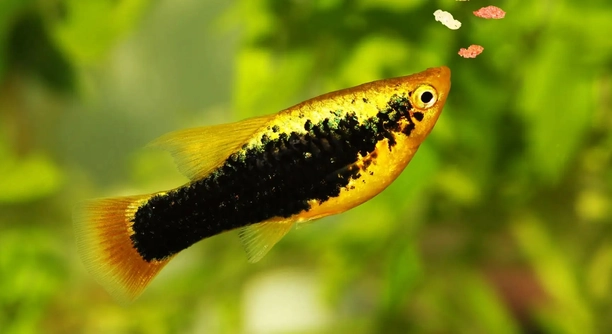
Are your platies starting to outnumber the decorations in your tank, leaving things a bit too crowded and chaotic for comfort?
Overstocking platies can lead to poor water quality, increased stress, territorial aggression, and a higher risk of disease. It also makes maintenance harder and shortens the lifespan of your fish due to inadequate space and resources.
These small fish may seem easy to manage, but there are clear reasons to keep their numbers in check for a healthier aquarium.
Poor Water Quality Happens Fast
When too many platies live in one tank, waste builds up quickly. Their waste releases ammonia, which affects water quality. Over time, this can cause high nitrite and nitrate levels, making it difficult for fish to breathe properly. Overstocking also lowers oxygen levels and increases carbon dioxide. Filters become overwhelmed, and beneficial bacteria can’t keep up. Even frequent water changes might not be enough to maintain stability. The imbalance stresses fish and weakens their immune systems. Once water quality declines, other problems follow. Clean, stable water is key to keeping platies healthy and active. Without it, diseases spread more easily.
Even if your tank looks clean, unseen toxins can quietly build up when too many fish are living in it.
Testing the water regularly helps, but prevention is best. Keeping a balanced number of platies makes everything more manageable. Healthy water depends on having the right number of fish, not just a strong filter.
Increased Stress Levels
Overstocking leads to stress because there’s not enough space for each platy to feel safe.
In a crowded tank, platies struggle to find places to rest and hide. They become more alert, swim faster, and compete for food. Their movements show nervous behavior, like darting and sudden stops. Some may start nipping at others or hiding for long periods. Stress also affects their colors, which can fade when they’re not relaxed. Females may give birth prematurely. Constant stress lowers their immune response, making them prone to common tank diseases. Even small issues, like a change in temperature or food supply, feel worse for fish already living in tight spaces.
To reduce stress, make sure your tank has plenty of room for swimming and quiet corners to rest. When platies feel secure, they eat better, grow properly, and behave naturally. Keeping a smaller group makes the tank more peaceful and easier to manage.
Aggression Becomes More Common
Platies are peaceful by nature, but overcrowding changes their behavior. When space runs out, they start fighting over food, territory, and hiding spots. Fins get nipped, and weaker fish often stay in corners to avoid confrontation.
Limited space increases tension in the tank. Males may chase each other more often, especially if there are too many of them compared to females. This constant chasing creates an unbalanced social environment. Fish that were once calm may become territorial. Injuries from aggression can turn into infections if left untreated. Even feeding time becomes chaotic, with fish competing and pushing each other. Having fewer platies helps maintain their natural calm behavior and allows them to interact without stress. A less crowded tank makes it easier to create distinct spaces, reducing conflict and allowing fish to establish their own zones without constant interruptions.
Adding plants and decorations may help, but overcrowding still causes long-term problems. Reducing fish numbers is the most effective solution.
Disease Spreads Quickly
Diseases move fast in an overstocked tank because bacteria and parasites thrive in stressful, unclean environments. Fish with weak immune systems catch infections easily, and illnesses spread from one fish to another in hours.
When one platy gets sick in an overstocked tank, it’s hard to control the outbreak. Crowded conditions speed up transmission. Pathogens stay active longer in tanks with poor water quality and high organic waste. Common illnesses like fin rot, ich, and fungal infections appear more often. Treatment is also more difficult in a crowded setup because medication can disrupt water chemistry and stress out healthy fish. Fish that already feel overwhelmed are less likely to recover. Maintaining proper stocking levels makes tanks easier to clean and disease easier to manage. Healthy fish bounce back faster and are less likely to infect others.
Keeping fewer platies ensures your tank stays balanced, reducing the chances of repeat illnesses and costly treatments.
Breeding Gets Out of Control
Platies breed very quickly, especially when kept in groups. Females can give birth every few weeks, and without proper management, the tank fills up fast. This adds more waste, stress, and overcrowding before you even realize it.
Extra fish from constant breeding strain the tank’s capacity. More babies mean more cleaning, feeding, and monitoring.
Harder to Maintain the Tank
Cleaning a heavily stocked tank takes more time and effort. Waste builds up faster, and filters clog more often. You’ll need to change the water more frequently to keep toxins low. Decorations and gravel also collect waste quickly. Overstocking makes daily and weekly care more demanding, especially during warmer months.
Shortened Lifespan
When platies are stressed and living in poor conditions, they don’t live as long. Overcrowding shortens their lifespan by increasing disease, aggression, and poor nutrition. A calm, spacious tank leads to healthier fish and a better experience for you.
How many platies can I keep in my tank?
The general rule is about one inch of fish per gallon of water. Since platies grow to about two inches, a 20-gallon tank can hold around 10 platies comfortably. This number ensures enough swimming space, reduces waste buildup, and keeps stress levels low. Overcrowding beyond this limit causes many problems, such as poor water quality and aggression. Always consider tank size before adding more fish.
What are the signs of overcrowding in a platy tank?
Signs include rapid deterioration of water quality, visible stress behaviors like constant chasing or hiding, faded colors, and increased illness. You may notice excessive algae growth or cloudy water. If platies swim erratically or compete aggressively during feeding, it’s likely the tank is too crowded. Regular observation helps catch these problems early.
Can I add other fish with platies?
Yes, platies are peaceful and generally get along with other small, non-aggressive species such as guppies, mollies, or tetras. However, ensure your tank is large enough to support all fish comfortably. Avoid overcrowding by calculating the total fish length compared to tank size.
How often should I clean an overstocked platy tank?
In a crowded tank, partial water changes should be done at least once a week, sometimes twice if water parameters worsen quickly. Cleaning gravel and filters regularly is also essential. Overstocking demands more maintenance, so keeping fish numbers manageable reduces the workload.
What can I do if my platies start fighting?
First, check for overcrowding and reduce the number of fish if needed. Adding plants or decorations can provide hiding spots to reduce tension. Feed fish adequately and avoid sudden changes to water conditions. If aggression persists, separating aggressive individuals might be necessary.
How do I control platy breeding?
Separate males and females if you want to prevent constant breeding. Another option is to remove newborn fry regularly or provide hiding places for babies so they survive selectively. Keeping balanced male-to-female ratios also helps manage population growth.
Is overstocking harmful to platy fry?
Yes, overcrowding increases competition for food and hiding places, causing many fry to die from stress, poor nutrition, or being chased away. Young fish are more vulnerable in crowded conditions, so proper tank size and population control are critical for their survival.
What equipment helps maintain a healthy platy tank?
A good quality filter that matches tank size is essential to keep water clean. Aeration improves oxygen levels. Testing kits for ammonia, nitrite, nitrate, and pH allow you to monitor water quality regularly. Heater settings should stay stable, as platies prefer moderate temperatures around 72–78°F (22–26°C).
How do I improve water quality in an overstocked tank?
Frequent partial water changes, reducing feeding amounts, and cleaning the substrate help improve conditions. Avoid overfeeding since leftover food adds to waste. Installing stronger filters or adding biological media can assist beneficial bacteria. Ultimately, lowering fish numbers is the best solution.
Can overstocking cause diseases that affect humans?
Generally, diseases in aquarium fish are not harmful to humans. However, poor water quality and bacteria can cause skin infections if you have cuts and handle tank water improperly. Always wash hands after tank maintenance and avoid ingesting tank water.
What happens if I ignore overstocking problems?
Ignoring overstocking leads to poor fish health, frequent disease outbreaks, and a higher chance of fish deaths. Water quality will decline rapidly, and stress causes abnormal behavior and reduced lifespan. It can become costly and frustrating to fix later, so prevention is key.
Are platies good for beginner fish keepers?
Platies are generally beginner-friendly due to their hardy nature and peaceful temperament. However, even beginners must avoid overstocking to ensure easy care and a healthy environment. Starting with the right number of fish and a proper tank setup is essential for success.
Final thoughts on managing platies in your aquarium focus mainly on keeping their environment balanced and healthy. Overstocking is a common mistake that can lead to many avoidable problems. While it may seem fun to have a large, lively tank full of colorful fish, it is important to remember that platies need enough space to swim freely and live without stress. Crowded tanks create poor water quality, which affects all the fish in the tank. It also increases the chance of disease, aggression, and shorter lifespans. Taking care of fewer fish means better water conditions and a healthier home for your platies.
A key part of successful platy care is monitoring the number of fish in your tank and the overall environment. Regular water testing and maintenance will help you notice any changes early before they become serious. It’s important to keep an eye on fish behavior, water clarity, and tank cleanliness. If you spot signs of overcrowding or stress, it’s best to take action quickly. Reducing the number of fish, upgrading the filtration system, or increasing tank size can help restore balance. By preventing overstocking, you create a safer and more comfortable habitat where your platies can thrive and display their natural colors and behaviors.
Ultimately, maintaining a balanced aquarium requires attention and commitment. It may feel tempting to add more fish when you see how well your platies are doing, but restraint is necessary for their well-being. Keeping your tank at the right capacity ensures that your fish live longer and are less prone to illness. It also makes tank maintenance easier and more enjoyable for you. By respecting the limits of your tank’s size and understanding the needs of your platies, you can create a beautiful and healthy environment that benefits both the fish and yourself.

Hello,
If you enjoy the content that we create, please consider saying a "Thank You!" by leaving a tip.
Every little bit helps us continue crafting quality advice that supports the health, happiness, and well-being of pets around the world, for pets of all shapes, sizes, and species.
We really appreciate the kindness and support that you show us!