
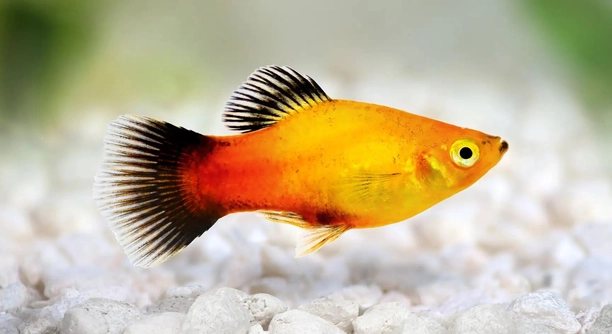
Have you ever watched your platies interact and wondered if their playful behavior could sometimes lead to accidental harm or injury?
Platies can get injured during mating due to aggressive behavior, fin nipping, or excessive chasing by the male. These injuries are often minor but can lead to stress or infection if not properly monitored and treated.
Understanding what to watch for during mating can help keep your platies safe and healthy throughout the breeding process.
Why Platies May Get Injured While Mating
Mating in platies can sometimes be stressful and aggressive. Male platies tend to chase females persistently, often nipping at their fins or pushing them around the tank. This behavior, while normal, can lead to small injuries, especially if there is only one female with multiple males. Injuries usually appear as torn fins, missing scales, or general wear on the female’s body. If the tank is too small or lacks proper hiding spaces, the female may not be able to escape, which increases her risk of injury. This type of stress can also weaken her immune system, making her more likely to get sick. It’s important to maintain a healthy tank environment, observe mating behavior, and take quick action if signs of injury appear. Adding more plants or decorations can help reduce stress by giving fish space to hide and rest, which is essential for recovery and safety.
Avoid overcrowding the tank and keep a healthy male-to-female ratio to reduce mating stress and injury risk.
When you see frequent chasing or damaged fins, it’s a sign the tank environment may need adjustments. Giving your platies plenty of space and hiding areas can create a calmer setting. Keeping up with tank maintenance also supports quicker healing and less stress for injured fish.
How to Prevent Mating Injuries in Platies
Keep a 1:2 or 1:3 male-to-female ratio to reduce pressure on any single female during mating.
A larger tank with live plants, rocks, and decorations gives platies more room to swim and hide. This helps reduce the chances of injury during the mating process. If one male becomes too aggressive, consider separating him or rearranging the tank layout to change the social dynamic. Adding hiding spots gives females a safe retreat, lowering stress levels. Regularly check for signs of injury such as torn fins or pale coloring. If you notice any of these signs, move the injured fish to a hospital tank with clean, warm water. Maintain stable water parameters and feed high-quality food to support recovery. Injured fish benefit from rest and low stress levels, so avoid adding new tank mates during this time. With the right care and setup, you can reduce the risk of injury and keep your platies healthy throughout their mating cycle.
Common Signs of Injury During Mating
Look for signs like torn fins, missing scales, or changes in swimming behavior. These usually show up after repeated chasing or rough contact during mating. Injured platies might also hide more often or avoid other fish altogether.
If you notice a platy with ragged fins or visible scrapes, it’s likely been injured during mating. Watch how the fish interacts with others. If it stays alone or swims in a jerky motion, it may be in pain. Males that chase nonstop or nip frequently may need to be separated. Injuries can worsen if left untreated, leading to infection. Clean water and low-stress surroundings are important for healing. Keep an eye on water quality, especially ammonia and nitrite levels, as injured fish are more vulnerable. Adding aquarium salt in small doses can help with recovery, but always follow dosing guidelines carefully.
Behavior changes are another sign to take seriously. Injured fish may stop eating or hide more than usual. They may also breathe faster or hover near the surface. All of these point to stress or pain, which should be addressed right away. A hospital tank with gentle filtration and a stable temperature gives injured fish time to heal without added pressure from other tank mates.
When to Separate Platies
Separation is needed when injuries keep happening or a female looks too stressed or weak. If one male is constantly aggressive, isolating him can protect others and allow healing. Use a breeding box or a separate tank if necessary.
In some cases, injuries don’t heal well in a community tank. If the water is crowded or territorial behavior continues, even small wounds can become infected. A female that’s thin, has clamped fins, or rests at the bottom too often may be under too much stress. Moving her to a quiet, clean tank helps her regain strength. If multiple females show signs of wear, reducing the male count or rehoming some fish may be needed. When separating a male, try adding him back later once the tank environment feels stable. Watch closely after reintroduction. If aggression returns quickly, longer separation or permanent rehoming might be best. Keeping harmony in the tank protects all your platies from avoidable injuries.
Helpful Tank Additions
Live plants give platies places to hide and rest, which helps reduce stress during mating. Dense plants like hornwort or java fern work well and don’t require much care. They also improve water quality by absorbing waste.
Caves, rocks, and decorations with soft edges offer more hiding spots. These help females avoid constant chasing. Spread decorations evenly to give all fish access to shelter. This setup keeps the tank peaceful and lowers the chance of injuries during active mating periods.
How Stress Affects Healing
Stress slows down healing and can lead to infection. Injured platies need quiet, stable conditions to recover well. Loud sounds, sudden light changes, or frequent tank disruptions make things worse. Try to keep their environment calm and avoid overcrowding. Use a gentle filter that doesn’t push the fish around too much. Watch water temperature and quality closely—clean, warm water supports better recovery. Stress can also affect appetite, so offer small, high-quality meals and remove uneaten food quickly. A stressed fish is more likely to hide, get sick, or worsen its injury. Keeping the tank peaceful is just as important as treating the wound itself.
Signs That Healing Has Started
Clear fins, brighter colors, and active swimming often show that your platy is healing. A good appetite is another sign things are improving. Keep monitoring progress and maintain the clean, low-stress setup to support recovery.
FAQ
Can male platies hurt females during mating?
Yes, male platies can hurt females during mating, especially if they become overly aggressive. Males tend to chase females around the tank, nipping at their fins or nudging them repeatedly. This behavior can cause torn fins, missing scales, and exhaustion in females. If there are too many males or too few females, the stress on each female increases. Injuries may not be serious at first, but repeated stress can weaken the immune system and lead to infections. Keeping a proper male-to-female ratio and adding hiding places helps reduce the risk of injury.
How many males and females should I keep together?
A good ratio is one male for every two or three females. This helps prevent any one female from being constantly chased or stressed by a persistent male. In smaller tanks, even one male might be too much if there isn’t enough space or cover. If you notice one male constantly harassing females, consider separating him for a while. The right ratio and tank setup allow the group to interact without excessive stress, giving all fish a better chance to stay healthy and injury-free.
What should I do if a female platy is hiding a lot?
If a female platy is hiding more than usual, it could mean she’s stressed, injured, or trying to avoid a male. Check her body for signs of injury like torn fins, faded color, or missing scales. Observe tank behavior—if she’s being chased constantly, she may need a break. Move her to a separate tank or section of the aquarium if possible. Also, make sure the water parameters are stable and that the tank has plenty of plants or decorations for hiding. A stressed fish needs time and a calm space to recover.
Can stress really slow down healing?
Yes, stress plays a big role in how well a platy recovers from injury. When fish feel unsafe or are under constant pressure from aggressive tank mates, their immune systems weaken. This makes it harder for wounds to heal and increases the risk of infections. Stress also affects appetite, energy levels, and overall behavior. A peaceful tank with good water quality and a proper diet gives injured platies a better chance to recover fully. Reducing stress is often just as important as treating the injury itself.
Should I treat the tank if a fish gets injured?
You don’t always need to treat the whole tank, but keeping the water clean is very important. Sometimes, adding a bit of aquarium salt can help with healing, but it’s best used in a separate hospital tank so you don’t affect the rest of the fish. Make sure the injured fish isn’t being harassed and has space to rest. Keep ammonia, nitrite, and nitrate levels low to avoid further stress. Always monitor the injured fish closely for signs of infection or worsening behavior.
What kind of injuries are most common during mating?
The most common injuries in platies during mating include torn or frayed fins, missing scales, and sometimes scrapes along the body. These injuries usually come from persistent chasing, fin-nipping, or bumping into rough decorations. While they’re often minor, repeated injuries or poor tank conditions can make them worse. It’s important to act early—separate the injured fish, improve tank layout, and watch for signs of infection. Healing usually goes well if the water is clean and stress is reduced. The sooner you notice a problem, the easier it is to treat.
Can decorations help prevent injuries?
Yes, decorations like caves, plants, and soft-edged structures can help a lot. They give fish places to hide and take breaks from aggressive behavior. Spreading decorations around the tank allows all fish to access cover, not just the dominant ones. Live plants are especially helpful because they also improve water quality. Try to avoid sharp objects that could cause injury if fish swim into them quickly. A well-decorated tank creates a more balanced environment, helping reduce both injuries and stress during mating periods.
When is it safe to reintroduce a separated fish?
You can reintroduce a separated fish once it shows signs of full recovery—clear fins, healthy color, steady swimming, and normal behavior. Reintroduce slowly and watch the other fish’s reactions. If the same problems start again, like chasing or fin-nipping, it may be best to keep the fish separated longer or consider rehoming one of the more aggressive fish. Always monitor the tank closely for a few hours after reintroducing. Changes in layout or adding extra cover can also help reduce tension during reintroduction.
Final Thoughts
Mating can be a natural but stressful time for platies, especially when the tank is not set up to support safe interactions. Male platies often chase females, which can lead to injuries if the behavior becomes too intense or constant. Torn fins, missing scales, and hiding are common signs that a fish is hurt or stressed. These injuries may seem small at first but can cause serious health issues if left untreated. A female that cannot escape from constant attention may become weak, stop eating, or develop infections due to a lowered immune system. It’s important to notice these behaviors early and take simple steps to create a safer environment.
Tank setup plays a big role in keeping platies safe during mating. Keeping a proper male-to-female ratio helps reduce pressure on the females. One male for every two or three females is a good balance. Adding live plants, soft-edged decorations, and hiding spaces gives platies more areas to rest and avoid constant chasing. A larger tank also helps spread out the activity, lowering the chance of stress and injury. If one fish becomes aggressive, it’s best to separate it for a while and let the rest of the tank settle. Watch for signs of stress, like clamped fins, unusual hiding, or lack of appetite. These are early warnings that something needs to change in the tank setup or social balance.
Helping injured platies heal is not difficult but requires attention to detail. Clean water, steady temperature, and a calm tank environment support quick recovery. If needed, move the injured fish to a separate tank where it can rest without being disturbed. Offer high-quality food in small amounts and keep an eye on their behavior. A healing fish will start swimming normally again, eat regularly, and show brighter colors. With regular care and observation, most injuries from mating behavior can be treated before they become serious. The key is to stay consistent with tank maintenance, give your fish enough space, and act quickly when something seems off. By doing so, you can help your platies stay healthy and reduce the risks that come with mating.

Hello,
If you enjoy the content that we create, please consider saying a "Thank You!" by leaving a tip.
Every little bit helps us continue crafting quality advice that supports the health, happiness, and well-being of pets around the world, for pets of all shapes, sizes, and species.
We really appreciate the kindness and support that you show us!