
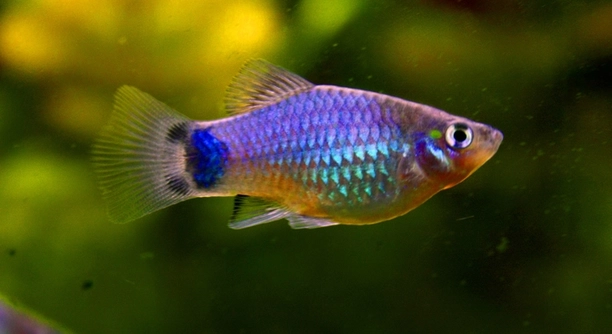
Platies are small, colorful fish popular in home aquariums. Many people enjoy watching them grow and reproduce. Knowing how many babies a platy can have each month helps hobbyists care for them better.
A platy can give birth to between 20 and 50 fry per month, depending on factors such as the female’s age, health, and environmental conditions. The reproductive cycle usually repeats every 25 to 30 days under optimal care and water quality.
Understanding the number of babies platies can have supports better tank management and helps ensure a healthy environment for both adults and fry.
How Often Do Platies Give Birth?
Platies are livebearers, meaning they give birth to fully formed fry instead of laying eggs. Typically, a female platy can have babies about once every month. After mating, the gestation period lasts roughly 24 to 30 days. This timing can vary based on the water temperature and the overall health of the fish. Warmer water within the suitable range usually speeds up the process. A healthy female platy kept in a stable environment is more likely to produce larger broods regularly. Overfeeding or stress, however, can reduce birth frequency or fry survival. It’s important to maintain good water quality and provide proper nutrition to encourage steady reproduction. Platies are known for their ability to reproduce quickly, so monitoring the tank population is essential to prevent overcrowding. Separating fry from adults can also help improve survival rates and give the babies a better chance to grow.
Female platies often become pregnant multiple times throughout their lifespan, contributing to a growing tank population.
Knowing how frequently platies give birth helps hobbyists plan for space and care needs. It also highlights the importance of managing breeding to keep a balanced aquarium environment.
Factors Affecting the Number of Babies
Several factors influence how many fry a platy will have. Age plays a big role—young females might produce fewer babies than mature ones. Older fish may also have smaller broods as their reproductive ability declines. The health and diet of the female are crucial. Well-fed platies with a nutritious diet tend to have larger, healthier broods. Water temperature affects both pregnancy length and fry survival. Temperatures between 72 and 78°F (22–26°C) are best for breeding platies. Stress from poor water conditions, tank mates, or overcrowding can reduce the number of babies or even cause females to absorb the fry before birth. Genetics can also impact brood size, as some platy strains naturally produce more offspring. Understanding these factors helps aquarists create conditions that encourage healthy reproduction and maximize fry survival.
Adjusting water temperature slightly can help control breeding speed and brood size.
Providing a calm, stable tank environment minimizes stress and supports the female’s health. Regular water changes and avoiding aggressive tank mates also improve outcomes for newborn platies.
How to Care for Newborn Platies
Newborn platies, called fry, need gentle care to thrive. They require clean water, proper food, and protection from adult fish.
Fry are very small and can be eaten by adult platies or other tank mates if not separated. Using a breeding box or a separate nursery tank is helpful. The water should be kept clean with frequent but gentle changes to avoid shocking the fry. Feeding baby platies is important—they need finely crushed flakes, baby brine shrimp, or specially formulated fry food several times a day to grow strong. Keeping the water temperature stable between 74 and 78°F supports healthy development.
Proper hiding places like plants or small decorations give fry a safe space to avoid predators. It also reduces stress and helps them feel secure. Watching fry grow is rewarding, and good care early on increases their chances of reaching adulthood.
Common Challenges with Platy Fry
Fry often face challenges like poor water quality, lack of food, and stress from tank mates. These factors can cause high mortality rates if not managed carefully.
Poor water quality quickly harms fry because they are sensitive to ammonia, nitrites, and nitrates. Overfeeding adults can also foul the water. Providing frequent small feedings keeps fry well-nourished without polluting the tank. Aggressive or larger fish can attack or outcompete fry, so separation is important. Stress from overcrowding or rapid changes in water conditions can weaken fry immunity, making them prone to disease. Monitoring water parameters regularly and maintaining a clean environment helps reduce these risks. Sometimes, despite best efforts, some fry may not survive, but these steps give them the best chance to grow healthy and strong.
Feeding Pregnant Platies
Pregnant platies need a nutritious diet to support healthy fry development. High-quality flake food, live or frozen brine shrimp, and bloodworms work well.
Providing varied food ensures the female gets enough protein and vitamins. Overfeeding should be avoided to keep water quality stable and reduce stress on the fish.
Tank Setup for Breeding
A planted tank with plenty of hiding spots is ideal for breeding platies. Live plants like Java moss give fry safe places to hide and grow.
The tank should have stable water parameters and gentle filtration to prevent fry from being sucked in. Good lighting and moderate temperature help maintain a healthy environment for both adults and fry.
Signs a Platy is About to Give Birth
Female platies often show a dark gravid spot near their rear as fry develop inside. They may also become less active or hide more frequently.
These signs usually appear a few days before the fry are born, signaling it’s time to prepare the tank or separate the female to protect the newborns.
How many babies can a platy have at once?
A platy can give birth to anywhere between 20 and 50 fry in a single batch. The exact number depends on the female’s health, age, and environmental conditions. Younger and healthier females usually have larger broods, while older or stressed ones may produce fewer fry. The number can also vary by platy strain or genetics.
How often do platies give birth?
Typically, female platies give birth about once every 25 to 30 days. This is their natural reproductive cycle under good conditions. Warmer water temperatures can slightly speed up this process, while cooler water may slow it down. It’s normal for a female to have multiple broods during her lifespan.
Do platies need a male to have babies?
Yes, platies need to mate with a male to become pregnant. They are livebearers, so fertilization happens internally. If there are no males in the tank, females will not produce fry. Having at least one male with females is necessary for breeding.
How can I tell if my platy is pregnant?
A pregnant female platy will develop a dark gravid spot near her anal fin. This spot becomes more visible as the fry grow inside her. You may also notice she is less active and tends to hide more often. The belly will appear noticeably rounder and fuller.
What should I feed pregnant platies?
Pregnant platies benefit from a varied, protein-rich diet. High-quality flake food, live or frozen brine shrimp, bloodworms, and finely chopped vegetables all help support healthy fry development. Feeding small amounts several times a day ensures proper nutrition without fouling the water.
How can I protect platy fry from adult fish?
Adult platies may eat their own fry, so it’s important to separate the babies once born. Using a breeding box, a separate nursery tank, or dense plants gives fry a safe place to grow. Regularly monitor the tank and remove fry if necessary to improve survival rates.
How long do platy fry take to grow?
Platy fry grow quickly and can reach full size in about 3 to 4 months. They are free-swimming and able to eat tiny foods like infusoria or crushed flakes shortly after birth. Providing proper food and a stress-free environment speeds up their growth.
Can platies have babies without mating?
Platies cannot reproduce without mating. They require fertilization by a male for the female to become pregnant. Any appearance of pregnancy without males usually means a male was present at some point or the female was already fertilized.
What water conditions are best for breeding platies?
Stable water parameters are key. Temperatures between 72 and 78°F (22–26°C), a pH around 7.0 to 8.0, and low ammonia and nitrite levels provide the best environment. Gentle filtration and regular water changes help maintain water quality that supports healthy breeding and fry development.
How can I prevent overpopulation in my tank?
To control platy numbers, separate males and females or limit breeding by adjusting tank conditions slightly. Removing fry to other tanks or giving some away keeps the population manageable. Proper tank size and regular maintenance prevent overcrowding and stress.
What is the gestation period for platies?
The gestation period typically lasts between 24 and 30 days. During this time, the female carries the developing fry internally until they are ready to be born fully formed.
Can platy fry survive with adult fish?
Survival chances are low if fry share the tank with adults, as adults may eat them. Providing hiding spots or separating fry improves their chances. A nursery tank or breeding box is often recommended to protect newborns during their most vulnerable stage.
Is it normal for platy females to have multiple broods at once?
Yes, females can store sperm from males and have overlapping pregnancies, meaning they can give birth multiple times in a short period. This is a natural trait that helps maintain population numbers in the wild and in home aquariums.
How do I know when platy fry are ready to eat regular food?
Fry can start eating finely crushed flakes, powdered fry food, or baby brine shrimp within a few days of birth. Initially, very small foods like infusoria help. As they grow, you can gradually introduce larger food particles.
Can stress affect platy reproduction?
Stress from poor water quality, aggressive tank mates, or overcrowding can reduce the number of babies and even cause females to reabsorb the fry. Keeping a calm, clean tank with compatible fish supports healthy reproduction.
What is the best way to care for newborn platy fry?
Provide clean water, gentle filtration, and frequent small feedings of appropriate fry food. Keep fry away from adults and provide plenty of hiding places. Regular water changes and stable conditions encourage healthy growth and reduce disease risks.
Platies are popular fish because they are easy to care for and reproduce well in home aquariums. Knowing how many babies a platy can have each month helps owners prepare their tanks and provide the right environment. A female platy can give birth to about 20 to 50 fry every 25 to 30 days under good conditions. This means that if the tank is not managed properly, the population can grow quickly and overcrowd the space. Understanding this reproductive cycle is important for anyone keeping platies to avoid problems and keep the fish healthy.
Taking care of newborn platy fry requires some extra attention. Fry are very small and vulnerable, and adult fish may eat them if they are not protected. Using a separate nursery tank or a breeding box is a good way to keep fry safe during their first weeks. Fry also need proper food that is small enough for them to eat, such as crushed flakes or baby brine shrimp. Clean water and stable tank conditions are key for their survival. Regular water changes, gentle filtration, and plenty of hiding places help the fry grow into healthy adult fish.
Managing breeding platies means balancing the needs of the fish with the tank environment. Feeding pregnant females a nutritious diet helps them produce healthy fry. Controlling water temperature and maintaining good water quality supports regular breeding cycles. It is also important to watch for signs that a female is about to give birth so the fry can be protected. By understanding how many babies platies have and what they need, fish keepers can create a safe, thriving aquarium where both adults and fry can live well. This knowledge helps avoid overcrowding and ensures that platies remain a beautiful and lively addition to any tank.

Hello,
If you enjoy the content that we create, please consider saying a "Thank You!" by leaving a tip.
Every little bit helps us continue crafting quality advice that supports the health, happiness, and well-being of pets around the world, for pets of all shapes, sizes, and species.
We really appreciate the kindness and support that you show us!