
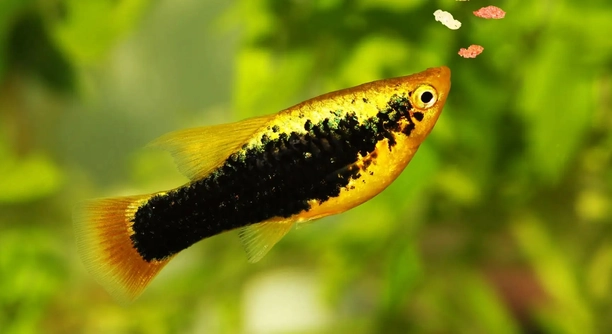
Platies are popular freshwater fish known for their bright colors and peaceful nature. Many aquarium owners enjoy keeping them because they are easy to care for. However, maintaining good water quality is important for their health.
Platies can tolerate mild ammonia spikes for short periods, but prolonged exposure can cause stress and health problems. Immediate water changes and proper filtration are essential to minimize ammonia’s harmful effects and protect the fish.
Understanding how ammonia affects platies will help you maintain a healthier tank environment and keep your fish thriving over time.
What Causes Ammonia Spikes in a Platy Tank?
Ammonia in an aquarium mainly comes from fish waste, uneaten food, and decaying plant matter. In a well-maintained tank, beneficial bacteria convert ammonia into less harmful substances, keeping levels low. However, if the tank is overcrowded or cleaning is irregular, ammonia can build up quickly. New tanks often experience spikes because the bacteria colony hasn’t fully established yet. Sudden changes, like adding many fish at once or overfeeding, can also lead to higher ammonia. Even a small increase may stress platies, affecting their gills and overall health. Regular water testing is important to catch these changes early. Using a good filtration system helps maintain balance and prevent harmful ammonia levels from rising.
Ammonia is dangerous because it affects fish breathing and damages their protective slime coat, making them more vulnerable to disease.
Keeping ammonia low requires consistent tank care and observation to ensure platies stay healthy and active.
How to Respond to Mild Ammonia Spikes
If you notice mild ammonia spikes in your tank, act quickly by doing a partial water change of about 25 to 50 percent. This will dilute the ammonia and help protect your platies from harm. Avoid feeding your fish during this time to reduce waste production. Check that your filter is working properly and clean it if necessary, but don’t remove all beneficial bacteria by over-cleaning. Adding products that detoxify ammonia can provide temporary relief but shouldn’t replace regular maintenance. Monitoring ammonia levels daily will help you see if the problem improves or worsens. Patience is important as the biological balance is restored. Maintaining a stable environment is key to preventing future spikes and ensuring your platies thrive.
Signs of Ammonia Stress in Platies
Platies showing signs of ammonia stress may appear lethargic or stop eating. They might also gasp for air at the water surface or have clamped fins. Skin irritation and redness can develop if ammonia exposure continues.
Behavior changes often include sluggish movement and hiding more than usual. Physically, ammonia burns can damage their gills, reducing oxygen intake. This makes breathing difficult, which is why you might see them near the surface. Stress weakens their immune system, increasing the chance of infections. Early detection of these signs is important to prevent serious harm. Regular observation helps catch issues before they worsen, allowing you to take timely action to improve water quality.
Noticing these symptoms quickly means you can intervene, keeping your platies healthier and more comfortable in their tank environment.
Preventing Ammonia Spikes in Platy Tanks
To prevent ammonia spikes, avoid overfeeding your platies and remove uneaten food promptly. Keeping the tank clean by performing regular water changes is essential. Proper filtration supports beneficial bacteria that break down ammonia. Avoid overcrowding your tank, as too many fish produce more waste than the system can handle.
Introducing live plants can help absorb ammonia naturally, improving overall water quality. Testing water weekly is a good habit to maintain control over ammonia levels. Maintaining stable temperature and pH also supports bacterial activity. By following these steps consistently, you can keep your platy tank environment safe and balanced, reducing the chances of harmful ammonia spikes.
How Often Should You Test Ammonia Levels?
Testing ammonia levels once a week is usually enough for established tanks. New tanks or tanks with recent changes need more frequent testing, sometimes daily, to catch spikes early. Consistent monitoring helps keep platies safe.
Using reliable test kits ensures accurate readings. Record your results to track water quality trends and respond quickly if ammonia rises.
The Role of Beneficial Bacteria in Ammonia Control
Beneficial bacteria convert toxic ammonia into nitrites, then into less harmful nitrates, through a process called the nitrogen cycle. These bacteria live mainly in the filter media and substrate. Without enough bacteria, ammonia builds up quickly and harms fish. Maintaining stable tank conditions encourages bacterial growth and keeps ammonia levels low.
Using Ammonia Detoxifiers
Ammonia detoxifiers can reduce ammonia’s toxicity temporarily. They work by neutralizing ammonia, making it less harmful to fish. However, detoxifiers are not a permanent solution and should be used alongside proper tank maintenance and water changes.
FAQ
How much ammonia can platies tolerate safely?
Platies can handle very low ammonia levels, ideally close to zero. Mild spikes up to 0.25 ppm may not cause immediate harm, but anything higher can stress them. Prolonged exposure to ammonia above 0.25 ppm increases the risk of gill damage and illness. Keeping ammonia at zero or near zero is best for their health.
What causes sudden ammonia spikes in a platy tank?
Sudden spikes usually come from overfeeding, overcrowding, or a dirty tank. When fish produce more waste than the beneficial bacteria can handle, ammonia builds up. Another cause is a disrupted nitrogen cycle, often seen in new tanks or after cleaning filter media too thoroughly.
How quickly should I act if I detect ammonia?
Immediate action is necessary. Perform a partial water change of at least 25% to reduce ammonia concentration. Stop feeding temporarily to reduce waste. Check the filter and water conditions to prevent further spikes. The faster you respond, the less damage your platies will suffer.
Are ammonia detoxifiers safe for platies?
Yes, detoxifiers are safe when used as directed. They neutralize ammonia’s toxicity temporarily but do not remove ammonia from the water. Detoxifiers should be used only as a short-term aid alongside water changes and proper tank maintenance.
Can live plants help control ammonia?
Live plants absorb ammonia and other nitrogen compounds, helping keep levels low. They also improve oxygen levels and provide hiding spots for platies. While plants can assist in controlling ammonia, they don’t replace the need for regular water changes and proper filtration.
How often should I clean my tank to avoid ammonia problems?
Cleaning frequency depends on tank size, stocking, and feeding habits. Generally, a 20-30% water change every one to two weeks works well. Avoid over-cleaning the filter to preserve beneficial bacteria. Remove uneaten food and debris regularly to prevent ammonia buildup.
Is it normal for ammonia to spike in new tanks?
Yes, new tanks often experience ammonia spikes because beneficial bacteria colonies are not fully established. This is called “new tank syndrome.” Testing water daily and performing frequent small water changes help control ammonia until the cycle stabilizes.
What symptoms show that platies are suffering from ammonia poisoning?
Signs include gasping at the surface, lethargy, loss of appetite, clamped fins, and inflamed or red gills. You might also see them scratching against objects or hiding more. Early detection is important to prevent severe damage or death.
Can ammonia affect platy fry differently than adults?
Yes, fry are more sensitive to ammonia than adult platies. Even low ammonia levels can be harmful to young fish, causing developmental issues or death. Extra care in maintaining clean water and stable ammonia levels is necessary when breeding or raising fry.
What role does filtration play in ammonia control?
Filters house beneficial bacteria that convert ammonia to less harmful compounds. A well-functioning filter is essential for controlling ammonia. Mechanical filtration removes debris, and biological filtration supports bacteria. Regular maintenance without destroying bacterial colonies keeps filtration effective.
Is it safe to add more fish if ammonia is slightly elevated?
No, adding more fish when ammonia is elevated puts extra stress on the system. It can worsen spikes and harm all inhabitants. Wait until ammonia levels are consistently low before introducing new fish to avoid overloading the tank.
Can temperature changes influence ammonia levels?
Temperature itself doesn’t directly cause ammonia spikes, but warmer water increases fish metabolism and waste production, which can raise ammonia. Also, beneficial bacteria function best within certain temperature ranges. Keeping a stable temperature supports overall water quality.
What should I do if ammonia levels remain high despite water changes?
Check your filtration system for issues like clogged media or insufficient capacity. Consider adding bacterial supplements to boost biological filtration. Reduce feeding and stocking density if needed. If problems persist, testing for other water parameters and consulting an expert may help identify hidden causes.
Are there specific test kits you recommend for ammonia?
Liquid test kits are generally more accurate than strips. Brands like API Freshwater Master Test Kit provide reliable ammonia readings. Using a trusted test kit regularly helps catch changes early and manage water quality effectively.
How long does it take for beneficial bacteria to establish in a new tank?
Typically, bacteria colonies take 4 to 6 weeks to mature fully. During this time, ammonia and nitrite levels may fluctuate. Patience and regular testing are key. Adding filter media from an established tank can speed up the process.
Can sudden cleaning of filter media cause ammonia spikes?
Yes, cleaning filter media with tap water or too aggressively can kill beneficial bacteria, causing ammonia to rise. It’s better to rinse media gently in tank water during water changes to preserve bacteria.
This FAQ covers common concerns about ammonia and platies to help you maintain a healthy, balanced aquarium environment.
Platies are generally hardy fish, but they still need clean, stable water to stay healthy and happy. Ammonia is one of the most harmful substances that can build up in an aquarium if not managed properly. Even mild ammonia spikes can cause stress and health problems for platies over time. It’s important to monitor ammonia levels regularly and take quick action if you notice any increase. Simple steps like regular water changes, proper feeding habits, and maintaining a good filtration system can make a big difference in preventing ammonia problems.
When ammonia levels rise, platies can show signs of stress such as gasping for air, hiding, or reduced appetite. These symptoms mean that the fish are struggling to cope with poor water conditions. While platies can tolerate small amounts of ammonia for short periods, it is not safe to let ammonia remain high for long. If left untreated, ammonia can cause damage to their gills and weaken their immune system, making them more vulnerable to diseases. Using ammonia detoxifiers can provide temporary relief, but they should never replace proper tank care and maintenance.
Keeping a balanced aquarium environment takes effort but is very rewarding. Having live plants, avoiding overcrowding, and regularly testing water quality help maintain a healthy space for platies. Remember that a healthy tank environment benefits all fish and plants inside it. Paying attention to water quality and acting promptly to fix issues ensures your platies will thrive and live longer lives. Consistency in care and observation is key to managing ammonia and creating a safe home for your fish.

Hello,
If you enjoy the content that we create, please consider saying a "Thank You!" by leaving a tip.
Every little bit helps us continue crafting quality advice that supports the health, happiness, and well-being of pets around the world, for pets of all shapes, sizes, and species.
We really appreciate the kindness and support that you show us!