
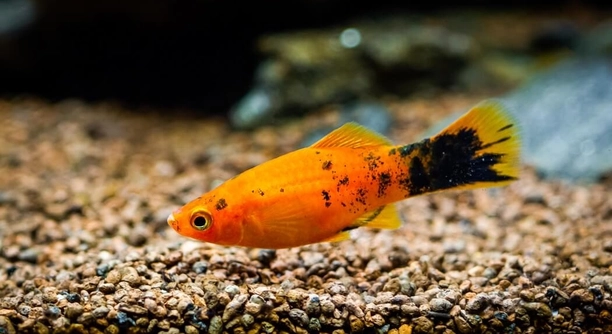
Is your platy acting differently, hanging out near the filter more often, or swimming oddly around the tank with less energy?
The most common signs that a platy needs a new tank include changes in behavior, reduced activity, signs of stress, and overcrowding. These indicators suggest that the current environment may no longer be suitable for your fish.
Recognizing the early signs can help prevent health issues and keep your platy comfortable. Learning what to watch for makes it easier to create a better home for your fish.
Your Platy Is Hiding More Than Usual
Platies are usually active and curious, swimming around the tank and interacting with their surroundings. If you notice your platy spending more time hiding behind decorations, near the filter, or at the bottom of the tank, it may be a sign something is off. Frequent hiding can suggest that the fish is feeling stressed, unsafe, or uncomfortable in its environment. This behavior often starts slowly, but becomes more noticeable as the fish avoids light or movement. Stress from poor water quality, aggressive tank mates, or an overcrowded setup can all lead to increased hiding. It’s important to observe this shift early and consider whether the current tank setup still meets your platy’s needs. A peaceful fish may still seek shelter occasionally, but consistent hiding is not typical for a healthy platy. This may be your first sign that a new tank could help.
Hiding becomes a pattern when the tank no longer feels safe. Your platy could be reacting to poor water flow, noise, or bullying from other fish.
A new tank offers a clean start with more space and better water conditions. You can improve filtration, choose gentler lighting, and avoid aggressive species that may have caused issues in the past. Fish thrive in stable, low-stress environments, and a well-planned tank can reduce the need for hiding. If your platy starts swimming freely again after being moved, that’s a strong sign the change was necessary. Make sure to cycle the new tank properly before the move, and match the water parameters to ease the transition. Small changes like adding more live plants or smooth decorations also give your platy natural hiding places without making them feel unsafe. These adjustments can help restore their usual playful nature and improve their overall health.
Your Platy Is Eating Less Than Before
A reduced appetite is often linked to environmental stress. Platies are not picky eaters, so when they ignore food, it usually signals a problem.
Poor water quality, tank overcrowding, or high nitrate levels can cause your platy to stop eating. These conditions affect their immune system, making them more vulnerable to illness. In some cases, food might still be offered regularly, but your platy may only nibble or swim away. Over time, this leads to weight loss and lower energy. A cramped tank often causes competition for food, which can discourage weaker fish from eating altogether. Changing tanks gives you the chance to space out feedings better and remove any aggressive fish that disrupt feeding time. A new environment with steady temperatures and cleaner water will often restore their appetite. Once your platy begins eating normally again, it’s a good sign that they feel more comfortable and healthy in the new setup.
Your Platy Is Gasping Near the Surface
If your platy spends too much time near the surface, especially gasping, it’s often due to low oxygen levels in the tank. Poor water movement, high waste buildup, or heat can reduce oxygen and make it hard for fish to breathe comfortably.
Gasping can start gradually but becomes more obvious when your platy avoids the rest of the tank. This usually means they are struggling to get enough oxygen from the water. A small, overcrowded tank may not allow for proper gas exchange, especially without a functioning filter or airstone. Water that’s too warm also holds less oxygen. In these cases, a bigger tank with better flow can make a big difference. It allows for better oxygen levels, reduces stress, and gives your platy space to swim naturally without being forced to hover at the top out of discomfort.
After moving to a better-aerated tank, most platies stop gasping and return to normal behavior. If you’ve upgraded filtration or added an air pump in the new setup, it helps keep oxygen levels stable. Watch how your platy behaves in the hours after the move. A comfortable fish will swim throughout the tank, show interest in food again, and rest calmly without clinging to the surface. This behavior shift is one of the clearest signs that a new tank setup was the right choice. Keep the water clean and avoid letting waste build up, which can lead to the same oxygen issues over time.
Your Platy Is Being Chased or Bullied
Aggression in the tank is stressful and can make your platy feel unsafe. If you regularly see it being chased or nipped, the tank environment likely isn’t working anymore and may be too crowded or mismatched.
Some fish species are naturally more territorial. When space is limited, even peaceful fish can become aggressive. A platy that’s constantly being chased may hide, stop eating, or develop fin damage. Moving your platy to a larger tank or setting up a new one with carefully selected tank mates often solves the issue. Platies do best with gentle, peaceful species. Make sure the new setup includes enough hiding places to break lines of sight. Keeping only compatible fish also reduces stress. When your platy is no longer being chased, it will act more relaxed, swim freely, and show normal interest in food. A peaceful environment makes a big difference in both behavior and health.
Your Platy’s Colors Are Fading
Faded colors are often a sign of stress. When a platy feels unsafe or unwell, its bright tones can become dull. This may happen slowly, especially in crowded or poorly maintained tanks with inconsistent water quality.
A healthy platy will usually show vibrant colors when the environment feels right. If the tank is too small, has the wrong lighting, or lacks proper care, the fish may stop displaying its full color range. Moving to a more stable, cleaner tank often helps restore color naturally.
Your Platy Is Less Active Than Normal
Reduced activity often means your platy doesn’t feel well or lacks space. A sluggish fish that stays near the bottom or avoids swimming may benefit from a new, properly sized tank. Clean water and a peaceful setup help them become more active again.
Your Platy Is Growing Rapidly or Has Outgrown Its Tank
Juvenile platies grow quickly, and a tank that once seemed fine can become too small. When space is limited, they can’t swim properly or establish comfortable routines. A cramped tank can also lead to health issues due to rising waste levels. Upgrading gives your platy room to grow without added stress.
Your Platy’s Waste Is Building Up Quickly
Rapid waste buildup means the tank is likely overstocked or too small. Even with regular cleaning, the water may not stay safe long enough. A larger tank with better filtration keeps things more stable and reduces the risk of illness.
FAQ
How big should a new tank be for a single platy?
A single platy needs at least a 10-gallon tank to thrive, though more space is always better. While they are small fish, platies are active swimmers and benefit from having room to move. If you plan to keep more than one platy, add at least two extra gallons for each fish. Overcrowding can quickly lead to stress and poor water conditions, especially in tanks under 10 gallons. Providing enough space from the beginning helps your platy feel more comfortable, reduces aggression, and makes tank maintenance easier.
Can I move my platy to a new tank right away?
It’s best to wait until the new tank is fully cycled before moving your platy. Cycling means building up beneficial bacteria that break down waste in the tank. This usually takes 4–6 weeks. If you move a fish into an uncycled tank, toxic ammonia and nitrite levels can rise and make them sick. You can speed up the process by using filter media or decorations from an established tank. Always test water parameters and make sure ammonia and nitrite are at zero before introducing your platy. This keeps the move safe and reduces stress on the fish.
What are safe signs that my platy is ready to move?
If your platy is still eating, swimming calmly, and not showing signs of severe illness, it can usually handle a move to a better tank. It’s also important that the water in the new tank matches the old one in terms of temperature, pH, and hardness. A big change in conditions can shock your platy. Acclimating them slowly—by floating the bag and adding small amounts of new water over time—can help. If your platy seems weak, it’s better to fix the issue in the current tank before moving them to avoid more stress.
How do I know if my current tank is too small?
If your tank is always dirty, fish are aggressive, or your platy has limited room to swim, it may be too small. Other signs include fast waste buildup, sluggish behavior, and poor appetite. Even if your platy seems fine, a cramped tank can shorten its lifespan. Measuring your tank’s ammonia, nitrite, and nitrate levels regularly will give you a clearer picture. If levels are always high despite cleaning, the tank may not support your fish properly. Upgrading to a larger size helps maintain stable conditions and gives your platy more space to thrive.
Can I use the same decorations in the new tank?
Yes, you can reuse most decorations, as long as they are properly cleaned and safe for fish. Avoid using soap or chemicals—just rinse with tank water or dechlorinated water. Transferring decor, plants, and filter media can help establish beneficial bacteria in the new tank. This can make the cycling process quicker and more stable. Familiar objects can also reduce stress for your platy by giving them a sense of security in the new space. Just make sure anything you transfer doesn’t carry harmful waste or parasites from the old tank.
What happens if I don’t upgrade the tank?
If your platy continues to live in an unsuitable tank, you may start to see more health and behavior problems. Stress from poor water quality, limited space, and aggressive tank mates can lead to infections, fin rot, or even early death. Ignoring the signs can result in repeated illness and frequent treatment costs. Over time, the fish may stop eating, become lethargic, or show signs of physical decline. A proper tank setup not only prevents these issues but also supports a longer, healthier life. Investing in a better tank early on can make a big difference.
Final Thoughts
Watching your platy show signs of stress or discomfort can be concerning, but these signs are important. They help you understand when your tank setup may no longer be working. Platies are hardy fish, but even they need the right space, water conditions, and peaceful surroundings to stay healthy. Small tanks often work for a while, but as fish grow or the tank gets crowded, problems can begin. Simple signs like hiding, gasping, or not eating are easy to miss at first. Over time, they show your platy may need a better environment to feel safe and thrive.
Upgrading to a new tank isn’t always easy, but it can make a big difference in your platy’s health. A larger tank provides more room to swim, reduces waste buildup, and allows better control of water quality. You can also choose tank mates more carefully, avoiding aggression or stress. When the water is stable and the space is right, your platy will often become more active, eat better, and show brighter colors again. These changes may happen slowly, but they’re clear signs the move helped. Taking the time to cycle the new tank and match the water conditions will also make the transition smoother for your fish.
Being aware of your platy’s behavior makes it easier to respond early. If you notice patterns like less swimming, fading color, or bullying from other fish, those are clear warnings. You don’t have to wait for things to get worse. Even basic changes, like better filtration or more space, can prevent long-term issues. Keeping up with regular water tests and watching how your fish interact with their environment also helps you spot problems before they grow. Your platy depends on the conditions you provide, and a comfortable setup gives it the best chance to live a full, healthy life. Making that change now may help you avoid stress later—for both you and your fish.

Hello,
If you enjoy the content that we create, please consider saying a "Thank You!" by leaving a tip.
Every little bit helps us continue crafting quality advice that supports the health, happiness, and well-being of pets around the world, for pets of all shapes, sizes, and species.
We really appreciate the kindness and support that you show us!