
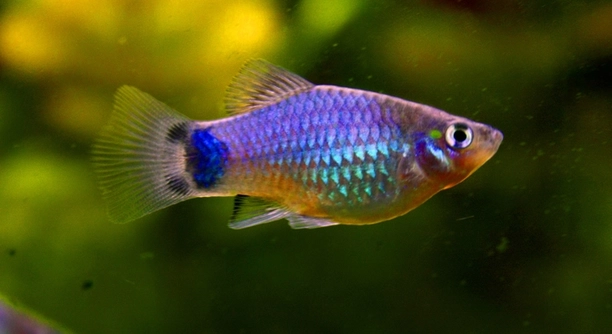
Are your platies living comfortably in your aquarium, or could the room temperature be affecting them more than you realize? Temperature plays a role in the health and behavior of many fish species, including platies. Understanding this can help you create the best environment for your aquatic pets.
Platies are indeed affected by room temperature because they are tropical fish that thrive in stable, warm water conditions. Fluctuations or cooler temperatures can stress them, reduce their activity, and impact their immune system, potentially leading to health problems. Maintaining consistent warmth is essential for their well-being.
Knowing how room temperature influences platies will help you keep your fish healthy and happy. This article will cover the effects and how to manage their environment effectively.
How Room Temperature Influences Aquarium Water
Room temperature can significantly affect the water temperature in your platies’ tank. Since most home aquariums are not heated, the water temperature often aligns closely with the room’s temperature. If the room gets too cold, the water temperature will drop as well, which can slow down your platies’ metabolism and make them less active. Conversely, if the room is too warm, the water can overheat, leading to lower oxygen levels and stressing the fish. It’s important to monitor both room and water temperatures regularly to keep them within the ideal range for platies, usually between 72°F and 78°F (22°C to 26°C). Small changes can add up and impact your fish more than expected.
Keeping an eye on your room’s temperature is a simple way to support your aquarium’s environment. This helps prevent sudden changes that might affect your platies’ health.
Aquarium heaters are a reliable tool to maintain stable water temperature. If you notice your room temperature fluctuates a lot, especially in colder months, using a heater ensures the water stays warm enough. Additionally, placing the tank away from drafts, air conditioners, or direct sunlight helps avoid rapid temperature swings. Maintaining a steady temperature supports your platies’ digestion, immune system, and activity levels, contributing to their overall well-being and longevity.
Signs Platies Show When Affected by Temperature
Temperature changes can cause noticeable behavior and health issues in platies.
When platies experience colder water, they may become sluggish and hide more often. Their appetite often decreases, and they may stop breeding. Warm water extremes can cause increased respiration and erratic swimming. Long-term exposure to unsuitable temperatures weakens their immune system, making them more vulnerable to diseases like ich or fungal infections. Observing these signs early allows you to adjust the environment before serious problems develop. Prompt action keeps your platies comfortable and thriving.
Preventing Temperature-Related Stress in Platies
Maintaining a consistent temperature is key to preventing stress in platies. Sudden drops or rises can harm their health quickly.
Using an aquarium heater with a thermostat keeps water stable. Avoid placing the tank near windows or vents where temperature changes often happen. Consistent room temperature reduces stress and keeps platies active.
Regularly check water temperature with a reliable thermometer. Adjust heater settings if needed to maintain ideal warmth. If your room’s temperature fluctuates seasonally, consider using a heater year-round. Stable temperatures support healthy fish behavior, proper digestion, and reduce disease risk, making your platies more resilient to common health problems.
Ideal Room Temperature Range for Platies
The ideal room temperature to support platies usually falls between 68°F and 78°F (20°C to 26°C). This range helps maintain aquarium water temperature within the preferred limits for these tropical fish.
Keeping your room within this temperature range means less work for your aquarium heater and reduces sudden water temperature swings. Rooms that are too cold or hot create unnecessary stress on platies, affecting their behavior and health. Proper ventilation can also help maintain steady room temperatures without extreme fluctuations, creating a more stable environment for your fish to thrive.
Effects of Cold Room Temperature on Platies
Cold room temperatures cause water to cool down, slowing platies’ metabolism. This leads to less activity and weakened immune responses.
Prolonged exposure to cold can increase their risk of illness. It may also cause difficulty in digesting food, which affects overall health and growth.
Effects of Warm Room Temperature on Platies
Warm room temperatures raise water temperature, sometimes beyond the safe range. This causes platies to become stressed and breathe faster. Higher temperatures reduce oxygen levels in water, making it harder for fish to survive comfortably.
Managing Room Temperature Fluctuations
Small temperature changes can stress platies if they happen often. Sudden shifts force fish to adapt quickly, which is hard on their health.
Regular monitoring of both room and aquarium temperatures can prevent rapid swings. Using a heater with a thermostat and keeping the tank away from temperature extremes helps maintain stability.
Importance of Temperature Stability
Stable temperatures support platies’ immune systems and natural behaviors. Consistency prevents stress-related illness and promotes a longer, healthier life.
FAQ
How can I tell if my platies are too cold?
When platies get too cold, they become sluggish and less active. They may hide more often and show little interest in food. You might also notice slower swimming and less interaction with other fish. If the water temperature drops below 70°F (21°C), these signs usually appear.
What happens if my platies get too warm?
If the water is too warm, platies may breathe rapidly and swim erratically. Warm water holds less oxygen, which stresses them. You might see them gasping near the surface. Over time, constant heat stress can weaken their immune system and increase disease risk.
Is it okay if my aquarium temperature matches room temperature?
It depends on the room temperature. If your room stays between 72°F and 78°F (22°C to 26°C), the water will usually be fine without extra heating. However, if the room gets colder or hotter than this range, the water will follow and may harm your platies. Using a heater is often necessary.
Can sudden temperature changes harm platies?
Yes, sudden temperature swings can stress platies. Rapid cooling or heating forces their bodies to adjust quickly, which is hard on their immune system. This stress makes them more prone to illness and can reduce their lifespan. Keeping temperature steady is very important.
How can I maintain a stable temperature in my platies’ tank?
A good quality aquarium heater with a thermostat is the best way to keep water temperature stable. Place the tank away from windows, air conditioners, or heaters to avoid room temperature fluctuations affecting the water. Regularly check the water temperature with a thermometer to catch any changes early.
What is the best temperature range for platies?
Platies thrive in water temperatures between 72°F and 78°F (22°C to 26°C). This range supports their metabolism, immune system, and breeding behavior. Keeping water within these limits helps prevent stress and health problems.
Can I use a room heater to control aquarium temperature?
Using a room heater can help keep the overall room temperature stable, but it’s not a substitute for an aquarium heater. Room heaters don’t control water temperature directly and may cause uneven heating. Aquarium heaters are designed to maintain consistent water warmth.
Do platies need a heater all year round?
If your home’s temperature stays within the ideal range all year, a heater might not be necessary. But in most places, room temperature drops during colder months, so a heater is recommended to prevent water from getting too cold. Using a heater year-round provides the most stable environment.
What if my room temperature fluctuates a lot?
Frequent room temperature changes will cause the aquarium water to fluctuate too. This is stressful for platies and can lead to health issues. A heater with a thermostat will adjust the water temperature automatically to reduce these effects. Also, try to place the tank in a room with less temperature variation.
How often should I check the water temperature?
Check the water temperature daily or at least every other day, especially if your room temperature varies. Consistent monitoring helps you catch problems early. This simple step can prevent illness and keep your platies comfortable.
Can temperature affect platies’ breeding?
Yes, platies breed best when water temperature is stable and within their preferred range. Cold water slows breeding activity, while water that is too warm may cause stress and reduce reproduction. Keeping temperature steady encourages healthy spawning behavior.
Are there any signs of illness caused by temperature stress?
Temperature stress can weaken the immune system, making platies more vulnerable to diseases like ich, fungal infections, or fin rot. Signs include white spots, clamped fins, lethargy, and loss of appetite. Maintaining the right temperature reduces these risks.
Is it necessary to acclimate platies to a new tank temperature?
Yes, when moving platies to a new tank or after changing heaters, gradually adjust the water temperature. Sudden shifts can shock the fish. Slowly increasing or decreasing temperature over several hours helps them adapt without stress.
What is the role of oxygen levels related to temperature?
Warmer water holds less oxygen, which can cause platies to struggle for breath. Cooler water holds more oxygen but can slow their metabolism if too cold. Balanced temperature keeps oxygen levels suitable and supports healthy fish activity.
Can I use a thermometer to monitor temperature accurately?
Yes, a good aquarium thermometer is essential. Digital or stick-on thermometers provide easy and accurate readings. Avoid relying on room thermometers alone, as aquarium water temperature may differ. Consistent checks ensure a safe environment.
Does lighting affect room temperature and thus the aquarium?
Strong aquarium lights or sunlight through windows can raise water temperature. This can add to room heat, causing warmer tank water. Be mindful of lighting duration and placement to avoid overheating your platies’ environment.
Maintaining the right temperature for your platies is important for their health and happiness. These fish are tropical by nature, which means they prefer warm and stable water conditions. When the room temperature affects the aquarium water, it can either slow down their metabolism if it’s too cold or cause stress if it gets too warm. Both extremes can lead to health problems or changes in behavior that make your fish less active and more vulnerable to disease. Paying attention to how the room temperature influences the water will help you create a better environment for your platies to thrive.
Using a good aquarium heater with a thermostat is one of the best ways to keep the water temperature steady. This tool adjusts automatically to keep the water within the ideal range, regardless of minor changes in the room’s temperature. It’s also important to place the tank away from windows, air conditioners, or heating vents, which can cause sudden temperature swings. Regularly checking the water temperature with a reliable thermometer can help you catch any problems early before they affect your fish. Keeping the temperature consistent helps platies maintain their natural behaviors, eat well, and stay healthy.
While room temperature plays a big role, it’s just one of many factors that affect your platies’ well-being. Good water quality, proper feeding, and a clean tank also matter a lot. By combining these efforts with careful temperature management, you give your platies the best chance for a long and happy life. Watching your fish remain active, healthy, and vibrant is rewarding, and a stable environment makes all the difference. Taking these steps shows care and helps you enjoy your aquarium for years to come.

Hello,
If you enjoy the content that we create, please consider saying a "Thank You!" by leaving a tip.
Every little bit helps us continue crafting quality advice that supports the health, happiness, and well-being of pets around the world, for pets of all shapes, sizes, and species.
We really appreciate the kindness and support that you show us!