
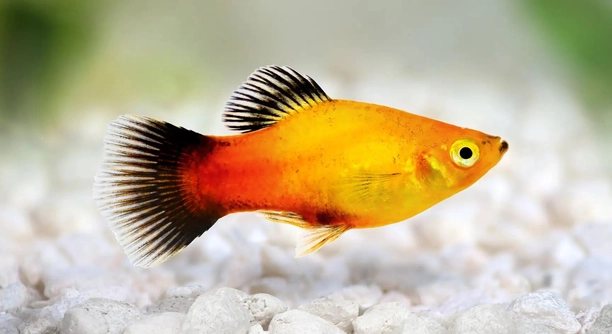
Are your platies spending more time hovering in a corner than swimming freely? This behavior can be puzzling for any aquarium owner who expects their fish to be active and visible. Understanding the reasons behind this can help improve their wellbeing.
Platies often hover in corners due to stress, poor water quality, illness, or insufficient oxygen levels. Environmental factors such as temperature fluctuations or aggressive tank mates can also cause them to seek refuge in quieter, less exposed areas.
Recognizing these signs early allows you to take proper steps to create a healthier environment and ensure your platies thrive comfortably in their tank.
Common Causes of Platies Hovering in a Corner
Platies hovering in a corner often point to environmental stress. Water quality is usually the main issue. Ammonia, nitrite, or nitrate levels might be too high, which is harmful to fish. Temperature that is too cold or too hot can also cause discomfort, making platies seek calmer spots. Sometimes, illness leads to this behavior. Parasites or bacterial infections weaken fish, causing them to isolate themselves. Another factor can be the presence of aggressive tank mates. If other fish chase or bully your platies, they may hide to avoid conflict. Poor oxygen levels in the water also force fish to stay near the surface or corners where they can find more oxygen. Regular water testing and tank maintenance are essential to prevent these problems.
Keeping a steady water temperature and clean water are key to avoiding this behavior.
By checking water parameters often and observing tank dynamics, you can spot issues early and make the tank comfortable for your platies again.
How to Improve Your Platies’ Environment
Adjusting water conditions is a quick way to help. Testing kits can guide you to the right water balance. If ammonia or nitrites are detected, partial water changes are necessary to reduce toxins. Make sure your filter is working properly and clean it regularly. Keeping a stable temperature between 72°F and 78°F suits platies best. Avoid sudden changes in temperature. Aeration is important as well; an air stone or good water movement helps oxygen levels. If you notice aggressive fish, consider separating them or rearranging the tank to break up territories. Plants and hiding places create a safe space for your platies to feel secure. Proper nutrition supports their immune system, so feed a balanced diet made for tropical fish. Small steps like these improve your platies’ comfort and reduce stress, encouraging them to swim actively rather than hide.
Recognizing Signs of Illness in Platies
Platies often hide when they feel unwell. Watch for faded colors, clamped fins, or unusual swimming patterns. These signs indicate possible health problems that require attention.
Illness can make platies weak and less active, causing them to hover in corners. Common diseases include ich, fin rot, and internal parasites. Poor water quality often contributes to infections. Quarantining sick fish and using appropriate treatments can stop the spread. Regular observation helps catch symptoms early before serious damage occurs.
Maintaining a clean tank and balanced diet strengthens platies’ immune systems. Avoid overcrowding to reduce stress and risk of disease. Providing a stable environment encourages healthier behavior and reduces hiding.
The Role of Tank Mates and Environment
Aggressive or overly active fish can intimidate platies, forcing them to retreat to corners. Matching peaceful species with platies helps keep stress low. Provide plenty of plants and decorations to break sightlines and create hiding spots. A well-arranged tank supports natural behavior and reduces tension.
Crowded tanks limit space for platies to swim freely, leading to corner hovering. Ensure your tank size suits the number of fish you keep. Regularly observe interactions and separate any overly dominant fish. A calm, spacious environment is essential for platies to feel safe and display normal activity.
Stress Factors Affecting Platies
Stress can cause platies to act unusually, such as hovering in corners. It often comes from poor water conditions or sudden changes in their environment.
Handling the tank roughly or frequent rearrangements may also increase stress levels. Keeping a stable setup helps platies feel secure and less anxious.
Improving Water Quality for Healthier Platies
Maintaining good water quality is essential to prevent stress and illness. Regular water changes remove toxins and keep parameters stable. Using a reliable filter ensures proper circulation and oxygenation. Test water frequently for ammonia, nitrite, and nitrate levels, adjusting as needed to keep the environment safe. Avoid overfeeding, which pollutes water and harms fish health. Clean substrate and decorations to reduce buildup of harmful bacteria. A consistent routine of tank maintenance supports platies’ wellbeing and encourages them to be more active and comfortable in their space.
Feeding Tips for Platies
Feeding a balanced diet supports your platies’ health. Use high-quality flakes or pellets designed for tropical fish. Supplement occasionally with live or frozen foods. Avoid overfeeding to maintain clean water and prevent stress.
FAQ
Why are my platies staying in one corner of the tank?
Platies often stay in a corner due to stress, illness, or poor water conditions. They might be avoiding aggressive tank mates or seeking calmer areas when water quality isn’t ideal. Checking water parameters and tank mates’ behavior helps identify the cause.
How can I tell if my platies are sick?
Look for faded colors, clamped fins, sluggish movement, or loss of appetite. Other signs include white spots, ragged fins, or difficulty swimming. If you notice these symptoms, test water quality and consider quarantining the fish for treatment.
What water temperature is best for platies?
Platies thrive in water between 72°F and 78°F (22°C–26°C). Temperatures outside this range can stress them and lead to hiding or illness. Using a heater with a thermostat helps maintain stable conditions.
How often should I change the water?
Perform a partial water change of about 20-25% every week. This helps keep toxins low and water fresh. Regular changes improve overall tank health and reduce stress on your platies.
Can tank size affect platies’ behavior?
Yes, a small or overcrowded tank can stress platies, causing them to hide or hover in corners. Provide at least 10 gallons for a small group, and avoid adding too many fish at once.
What should I feed my platies?
High-quality flake or pellet food formulated for tropical fish works well. Supplement their diet occasionally with live or frozen foods like brine shrimp or daphnia for variety and extra nutrition.
How can I reduce aggression in my tank?
Add plenty of plants and decorations to break sightlines and create hiding spots. Avoid aggressive species and separate overly dominant fish if necessary. A calm environment keeps platies comfortable and reduces hiding.
Is low oxygen a reason for platies hiding?
Yes, low oxygen levels can make platies stay near the surface or corners where oxygen is higher. Improving aeration with an air stone or better water flow can help.
Can sudden changes in the tank cause platies to hide?
Platies don’t like sudden changes like rearranging decorations, adding new fish, or shifting water temperature. These changes cause stress, leading to hiding behavior. Keep the environment stable to minimize stress.
What should I do if my platies keep hiding after all checks?
Observe them closely for any new signs of illness. Make sure water quality is optimal and no aggressive fish are present. Sometimes platies simply need time to adjust to a new tank or recent changes.
Do platies prefer certain tank mates?
Platies do best with peaceful fish like guppies, mollies, or tetras. Avoid aggressive or territorial species that may stress or chase them.
Can poor diet cause platies to hide?
Yes, a poor diet weakens their immune system and energy levels, making them more prone to hiding and illness. Feeding balanced, nutritious food supports their health and activity.
How important is lighting for platies’ behavior?
Proper lighting helps maintain their natural rhythms. Too bright or too dim light can stress them. Aim for a regular day-night cycle with moderate lighting.
Can water hardness affect platies?
Platies prefer moderately hard water. Very soft or very hard water can cause discomfort and stress. Test and adjust water hardness if necessary to suit their needs.
Are there any signs that mean immediate action is needed?
Yes, rapid breathing, floating sideways, or severe lethargy indicate urgent problems. Test water immediately and isolate the affected fish to prevent further issues.
Can platies recover from stress-related hiding?
With proper care, most platies recover fully from stress. Improving water quality, reducing tank aggression, and feeding well helps them regain normal behavior. Patience is key during recovery.
Platies hovering in a corner is a behavior that often signals something in their environment needs attention. It can be caused by various factors such as poor water quality, stress, illness, or aggressive tank mates. Understanding these reasons is important because it helps you create a healthier and more comfortable space for your fish. When you notice your platies spending a lot of time in one spot instead of swimming freely, it’s a sign to check the tank conditions. Simple actions like testing water parameters, adjusting temperature, and improving tank setup can make a big difference in their behavior.
Maintaining good water quality is one of the most effective ways to keep platies happy and active. Regular water changes, proper filtration, and monitoring for harmful chemicals like ammonia or nitrites prevent many common issues. Additionally, creating a peaceful environment by choosing compatible tank mates and adding plants or decorations gives your platies places to hide and feel secure. Feeding a balanced diet also supports their health and energy. When all these elements come together, your platies are less likely to hide and more likely to show natural, lively behavior.
It’s important to remember that platies, like all fish, can be sensitive to changes in their environment. Sudden shifts in temperature, water chemistry, or tank layout may cause temporary hiding or stress. Being patient and consistent with tank care helps them adjust and recover quickly. If illness is suspected, early detection and treatment improve the chances of a full recovery. Paying close attention to your platies’ habits and appearance will allow you to respond appropriately. In time, your tank will become a stable and enjoyable home where your platies can thrive and swim comfortably.

Hello,
If you enjoy the content that we create, please consider saying a "Thank You!" by leaving a tip.
Every little bit helps us continue crafting quality advice that supports the health, happiness, and well-being of pets around the world, for pets of all shapes, sizes, and species.
We really appreciate the kindness and support that you show us!