
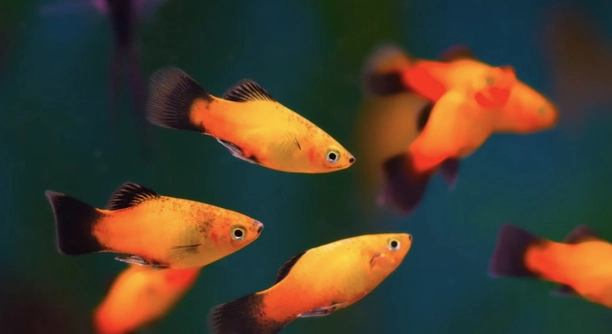
Many people enjoy keeping platies as colorful additions to their home aquariums. These small fish bring life and movement to tanks but sometimes show signs of discomfort or unhappiness. Recognizing these signs can help maintain a healthy environment for your pet.
When a platy is not enjoying its tank, it may display changes in behavior, such as hiding frequently, loss of appetite, or erratic swimming. Poor water conditions, overcrowding, or incompatible tank mates often contribute to their stress and discomfort.
Knowing how to spot these signs early can improve your platy’s well-being and prevent bigger health problems down the line. Taking care of their needs is essential for a happy, thriving fish.
Signs of Hiding and Lethargy
When your platy spends most of its time hiding behind decorations or plants, it could be a sign that something is wrong. Healthy platies are usually active and curious, swimming freely in the tank. If your fish appears sluggish or stays in one spot for hours, it may be stressed or uncomfortable. Changes in water temperature, poor water quality, or a tank that is too small can cause this behavior. Sometimes, aggressive tank mates can scare your platy into hiding, making it difficult for the fish to eat or swim properly. Observing these behaviors early helps you act before your platy’s health worsens.
Lethargy combined with hiding is a strong indicator that the environment needs attention.
Platies rely on stable water conditions and enough space to thrive. Keeping the tank clean with regular water changes, maintaining proper temperature, and ensuring peaceful companions can help your platy feel safe and active again.
Loss of Appetite
A platy that stops eating may be experiencing stress or illness. Loss of appetite often shows before other symptoms become visible.
When platies stop eating, it affects their energy and immune system. Poor diet or illness could be the reason. Sometimes, the tank’s water quality or temperature can also play a role. If the fish is stressed by aggressive tank mates, it may avoid food to hide. Overfeeding or sudden changes in diet can cause digestive problems leading to appetite loss. To help your platy recover, ensure it has a balanced diet and clean water. Watch for other signs like color fading or unusual swimming patterns. Taking prompt action is key to helping your fish regain its health and enjoy its home again.
Changes in Color
Platies losing their bright colors can signal stress or poor health. Dull or faded coloration often means the fish is unhappy in its tank.
Color changes in platies are often linked to water quality or diet issues. Poor water conditions, like high ammonia or nitrite levels, can weaken a fish’s immune system and cause colors to fade. A lack of proper nutrients or variety in their food can also impact their appearance. Stress from overcrowding or aggressive tank mates might make your platy’s colors less vibrant. Regular water testing and feeding a balanced diet help keep their natural colors bright and healthy.
If your platy’s colors seem washed out, check the tank’s environment first. Ensuring clean water, a nutritious diet, and calm tank companions will encourage your fish to regain its lively colors and overall health.
Erratic Swimming
Erratic or restless swimming is a clear sign that your platy may be uncomfortable or stressed.
This behavior can be caused by several factors including poor water quality, sudden changes in temperature, or the presence of aggressive tank mates. Sometimes, infections or parasites lead to strange swimming patterns as the fish tries to relieve discomfort. Overcrowding limits space and causes stress, making platies swim nervously or bump into tank decorations. Observing your fish closely can help identify the problem quickly. Adjusting tank conditions and treating illnesses promptly will reduce erratic swimming.
Maintaining a peaceful, clean environment with stable temperature and space will help your platy swim calmly and happily again. Regular monitoring of behavior and water parameters prevents long-term issues and promotes your fish’s well-being.
Frequent Gasping at the Surface
Gasping at the water surface often means your platy is struggling to get enough oxygen. This can be caused by poor water circulation or low oxygen levels.
Check your filter and aeration system to ensure they are working properly. Proper water movement helps oxygenate the tank and keeps your fish healthy.
Clamped Fins
Clamped fins are when a platy holds its fins close to its body instead of spreading them out. This is a common sign of stress or illness.
A fish with clamped fins may feel cold, stressed by water quality, or sick. Monitoring water parameters and making sure your platy has a calm environment can improve its condition.
Scratching or Rubbing
If your platy is frequently scratching or rubbing against objects, it could be dealing with skin irritation or parasites.
Look closely for signs of white spots or redness. Treating the tank and fish promptly can prevent further harm and discomfort.
How can I improve my platy’s tank environment?
Improving your platy’s tank starts with maintaining clean, well-filtered water. Regular water changes, about 20-25% weekly, help remove waste and keep water chemistry stable. Test water regularly for ammonia, nitrite, nitrate, and pH to ensure they are within safe ranges. A good filter and aeration system are essential to keep oxygen levels steady. Provide enough space for swimming by avoiding overcrowding—one inch of fish per gallon is a common rule. Adding live plants and hiding spots can reduce stress by offering shelter and making the environment more natural.
Why is my platy hiding all the time?
If your platy is constantly hiding, it may feel threatened or stressed. Aggressive tank mates can cause fear and discomfort. Poor water conditions or sudden changes in temperature can also make your fish seek shelter. Sometimes illness causes fish to hide as they try to recover. Observe the tank for bullying fish and make sure water parameters are stable. Adding more hiding spots like plants or decorations can help your platy feel safe and reduce stress.
What should I feed my platy to keep it healthy?
Platies are omnivores and thrive on a varied diet. High-quality flakes or pellets designed for tropical fish provide essential nutrients. Supplement their diet with live or frozen foods like brine shrimp, bloodworms, or daphnia for protein. Vegetables like blanched zucchini or spinach offer important vitamins. Avoid overfeeding; feed small amounts once or twice a day, only what they can eat in a few minutes. A balanced diet supports color, growth, and overall health.
How do I know if my platy is sick?
Signs of sickness include loss of appetite, faded colors, clamped fins, gasping at the surface, and erratic swimming. Look for physical symptoms such as white spots, redness, or swelling. Excessive scratching or rubbing against objects may indicate parasites or skin irritation. If you notice any of these signs, check water quality and isolate the fish if possible. Prompt treatment with appropriate medications can prevent illness from worsening.
Can tank mates cause my platy stress?
Yes, aggressive or much larger tank mates can stress platies. Stress reduces immunity and causes behavioral changes like hiding or loss of appetite. Avoid keeping platies with fin-nipping or territorial fish. Peaceful species like tetras or small rasboras are better companions. Provide enough space and hiding places to minimize conflict and give your platy a calm environment.
How often should I clean the tank for my platy?
Cleaning the tank regularly is important but should be balanced to avoid stressing the fish. Partial water changes of 20-25% once a week remove toxins without disturbing beneficial bacteria. Clean the substrate gently to remove waste, but avoid deep cleaning or replacing all the water at once. Filters should be rinsed monthly in tank water to maintain efficiency. Keeping the tank clean supports healthy water quality and your platy’s well-being.
What water parameters are best for platies?
Platies prefer a temperature between 70°F and 80°F (21°C–27°C). The pH should be neutral to slightly alkaline, around 7.0 to 8.2. Ammonia and nitrites must always be at 0 ppm, while nitrates should be kept below 20 ppm. Stable parameters help prevent stress and illness. Use a reliable test kit to monitor these levels regularly and make adjustments as needed to keep the environment safe for your fish.
Is it normal for platies to change color?
Platies can naturally change color slightly as they mature or during breeding seasons. However, sudden or significant fading often indicates stress, poor water quality, or illness. If your fish’s color dulls along with other symptoms like lethargy or hiding, it’s time to check tank conditions and health. Improving water quality and diet usually restores their vibrant colors.
How can I reduce stress for my platy?
Reducing stress involves providing a stable, clean environment with suitable tank mates. Avoid sudden changes in water temperature or chemistry. Make sure your tank is large enough and includes hiding spots like plants or caves. Feed a nutritious diet and avoid overfeeding. Minimize loud noises or vibrations near the tank. Observing your platy’s behavior helps catch stress signs early so you can act quickly.
What are common causes of platy illness?
Common causes include poor water quality, overcrowding, sudden temperature changes, and infections from bacteria, fungi, or parasites. Stress from aggressive tank mates or inadequate diet also weakens their immune system. Prevent illness by maintaining good tank hygiene, providing balanced nutrition, and ensuring a peaceful environment. Early detection of symptoms allows for timely treatment and better recovery chances.
Taking good care of your platy fish means paying close attention to its behavior and environment. When a platy shows signs of stress or discomfort, such as hiding too much, losing appetite, or changing color, it is important to act quickly. These signs often mean something in the tank is not right. Keeping the water clean, stable, and at the right temperature helps create a healthy space for your fish. Regular water changes and testing the water parameters prevent many common problems. Also, providing enough space and peaceful tank mates makes your platy feel safe and happy.
Feeding your platy a balanced diet is another key part of care. Platies need a mix of high-quality flakes or pellets along with occasional live or frozen foods. Fresh vegetables like zucchini or spinach can also be a good addition. Overfeeding or sudden changes in food can upset your platy’s health, so feeding small amounts regularly is best. Watching how your platy behaves during feeding time can give clues about its health. If it stops eating or looks weak, it may need attention to water quality or health treatment.
By observing your platy’s behavior closely and making small changes when needed, you can help prevent bigger health problems. Signs like erratic swimming, gasping at the surface, or rubbing against objects should not be ignored. These may point to water issues, stress, or illness that need fixing. Creating a calm and clean tank environment, feeding well, and choosing friendly tank mates all contribute to your platy’s well-being. With care and attention, your platy can live a healthy, active life and brighten up your aquarium for a long time.

Hello,
If you enjoy the content that we create, please consider saying a "Thank You!" by leaving a tip.
Every little bit helps us continue crafting quality advice that supports the health, happiness, and well-being of pets around the world, for pets of all shapes, sizes, and species.
We really appreciate the kindness and support that you show us!