
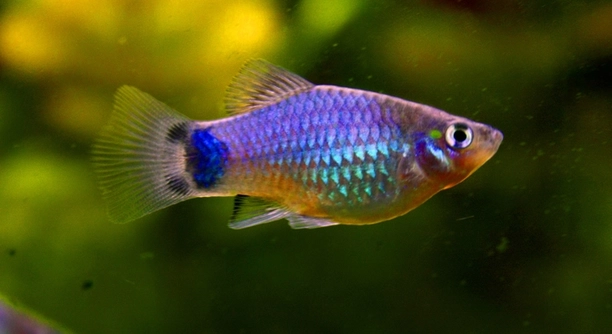
Platies are popular freshwater fish known for their vibrant colors and peaceful nature. Many aquarium owners enjoy keeping them because they are relatively easy to care for. Understanding their feeding needs is important for maintaining their health.
Platies can survive up to a week without food under normal conditions, as they store energy and reduce activity to cope with short periods of fasting. However, prolonged lack of feeding can lead to stress and health problems.
Knowing how platies handle brief fasting can help you manage their care better and keep your aquarium balanced and healthy.
How Long Can Platies Go Without Food?
Platies are fairly resilient fish and can handle short periods without food. Typically, they can survive about seven days without feeding if they are healthy and kept in a stable environment. During this time, their metabolism slows down, allowing them to use stored energy efficiently. However, it’s important to remember that this isn’t ideal for their long-term health. Lack of food for too long can weaken their immune system and make them more vulnerable to disease. In an aquarium, stress factors like poor water quality or temperature fluctuations can worsen the effects of fasting. If you expect to be away or unable to feed your platies, planning ahead by arranging someone to feed them or using automatic feeders can help keep them healthy. Regular feeding supports their growth and vibrant colors, making your aquarium lively and enjoyable.
Even though platies can manage a week without food, consistent feeding is best for their well-being.
Taking small steps to ensure your platies receive regular nourishment will help maintain their energy and overall health.
Signs of Hunger and Stress in Platies
Platies show certain behaviors when they are hungry or stressed. You might notice them swimming more actively around the tank, searching for food. They could also become more aggressive or hide more often. Loss of color and lethargy are other common signs. These behaviors indicate the fish are not getting enough nutrients or are feeling unwell. Hunger stress can weaken their immune system, making illness more likely. Observing your platies daily helps you catch these signs early. If you see any of these symptoms, try to adjust feeding or check water conditions to reduce stress.
Recognizing hunger and stress signals early is important for preventing health problems.
A balanced feeding routine combined with good tank care helps platies stay healthy and avoid stress-related issues.
Feeding Frequency for Healthy Platies
Feeding platies once or twice a day is usually enough to keep them healthy. Overfeeding can cause water problems and health issues.
When feeding platies, give them only as much food as they can eat within two to three minutes. This prevents leftover food from polluting the tank. A balanced diet including flakes, pellets, and occasional live or frozen foods supports their nutritional needs. Consistent feeding schedules help maintain their metabolism and activity levels. Adjust the amount based on their size and the number of fish in the tank to avoid excess waste buildup.
It’s important to observe your platies during feeding to make sure all fish get enough food. Uneaten food should be removed promptly to keep the tank clean and prevent water quality decline, which could harm your fish.
Preparing for Absences and Feeding Breaks
Planning ahead for times when you cannot feed your platies is crucial. Automatic feeders or asking someone to help can prevent long fasting periods.
Before leaving, feed your fish a little less than usual for a day or two. This helps reduce leftover food in the tank during your absence. Automatic feeders can release small amounts of food regularly, but they should be tested beforehand to avoid overfeeding. If relying on others, provide clear instructions on how much and how often to feed. A well-maintained tank with proper filtration supports fish health during short breaks. Taking these steps helps keep your platies safe and healthy when you’re away.
Impact of Skipping Food for a Week
Skipping food for a week can stress platies but usually won’t cause immediate harm. Their metabolism slows down to conserve energy during fasting.
Extended fasting beyond a week can weaken their immune system and stunt growth. It’s best to avoid longer breaks without food to keep them healthy and active.
Signs Your Platies Need More Frequent Feeding
If your platies seem restless or constantly search for food, they may need feeding more often. Changes in color or behavior also signal hunger.
Adjusting Feeding During Tank Changes
After changing tank water or rearranging decorations, platies might eat less for a day or two. Be patient and offer smaller portions until they adjust.
FAQ
Can platies survive longer than a week without food?
Platies can survive more than a week without food, but it is not recommended. Their energy reserves will deplete, leading to stress, weakened immunity, and possible health issues. The longer they go without eating, the higher the risk of complications like infections or stunted growth. It’s best to limit fasting periods and ensure they receive regular nutrition.
Is it okay to skip feeding platies for a day?
Yes, skipping feeding for a single day usually won’t harm platies. They can manage short breaks by slowing their metabolism. In fact, occasional fasting can sometimes benefit their digestion. However, skipping food frequently or for longer periods should be avoided to maintain their health.
What should I do if I accidentally overfeed my platies?
If you overfeed your platies, remove any uneaten food quickly to prevent water pollution. Overfeeding can cause poor water quality and increase the risk of diseases. Perform partial water changes if needed to keep the tank clean. Feeding smaller amounts more frequently is a better practice.
Can platies eat other foods if I’m away?
Platies can eat various foods such as flakes, pellets, frozen, or live food. If you plan to be away, using an automatic feeder that dispenses flakes or pellets is convenient. Avoid giving live foods unless someone experienced can feed them, as these require careful handling.
How do I know if my platies are hungry?
Hungry platies usually swim actively and search around the tank for food. They may gather near the surface or near feeding spots. Some may become more aggressive or display duller colors when hungry. Observing their behavior daily helps you spot hunger signs early.
Can platies fast safely during travel?
Yes, platies can fast safely during short trips. A week without feeding is generally safe if water conditions remain stable. Make sure to prepare their tank well before travel and avoid stressing them. After travel, feed them smaller portions until they adjust.
What is the best feeding routine for platies?
Feeding platies once or twice daily is ideal. Give them only as much food as they can eat in 2–3 minutes. This keeps the tank clean and prevents overfeeding. Providing a balanced diet with flakes, pellets, and occasional treats supports their health.
How can I prevent platies from becoming stressed during feeding breaks?
To prevent stress, keep water quality high with good filtration and regular maintenance. Use automatic feeders or ask someone to feed your fish if you’ll be away. Gradually reduce feeding a day or two before absences to avoid leftover food.
What happens if platies don’t eat enough regularly?
If platies consistently don’t eat enough, they may lose weight, become weak, and show signs of illness. Poor nutrition affects their immune system and growth. Ensuring a balanced diet and proper feeding schedule helps avoid these problems.
Are there any risks feeding platies too often?
Yes, feeding too often can cause leftover food to pollute the water, leading to harmful ammonia spikes. This stresses the fish and encourages disease. Stick to recommended feeding amounts and remove uneaten food to keep your tank healthy.
Platies are hardy fish that can tolerate short periods without food, but regular feeding is essential for their overall health and happiness. While they can survive about a week without eating by slowing their metabolism and using stored energy, this should not be a common practice. Extended fasting can cause stress, weaken their immune systems, and lead to health problems. Keeping a consistent feeding schedule helps maintain their vibrant colors, energy levels, and normal growth. Feeding them the right amount, usually once or twice a day, ensures they get enough nutrients without overfeeding, which can harm the water quality.
It is important to watch your platies closely to notice any signs of hunger or stress. Active searching for food, changes in behavior, or duller colors can indicate they need more attention. Making small adjustments to their feeding routine or tank environment can improve their well-being. If you plan to be away from home, using automatic feeders or asking someone to help feed them can prevent long fasting periods. Preparing your tank and fish before absences, like reducing food amounts gradually, will also reduce leftover food and keep water quality stable. These small steps can make a big difference in your fish’s health.
Overall, caring for platies means understanding their limits and needs. They are resilient, but their health depends on consistent care and good feeding habits. Avoiding long fasting and maintaining clean water help keep them active and disease-free. Paying attention to their behavior and adjusting their care as needed will ensure they thrive in your aquarium. By giving your platies regular, balanced meals and a good environment, you can enjoy watching their bright colors and lively nature for a long time.

Hello,
If you enjoy the content that we create, please consider saying a "Thank You!" by leaving a tip.
Every little bit helps us continue crafting quality advice that supports the health, happiness, and well-being of pets around the world, for pets of all shapes, sizes, and species.
We really appreciate the kindness and support that you show us!