
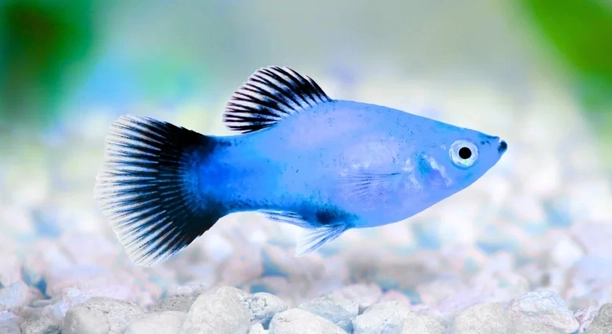
Platies are popular freshwater fish loved for their bright colors and easy care. Sometimes, they can have health problems, like swim bladder issues, that affect their swimming. Knowing how to help your platy is important for its well-being.
Swim bladder problems in platies commonly cause buoyancy and swimming difficulties. Proper care includes adjusting diet, maintaining water quality, and providing a stress-free environment to promote recovery and prevent further complications.
Helping a platy with swim bladder issues requires simple but effective steps. These tips can improve your fish’s comfort and health over time.
Adjust Their Diet Carefully
Platies with swim bladder problems often struggle with digestion. Feeding them too much or the wrong kind of food can make things worse. It’s best to offer smaller, easily digestible meals. Try giving them high-quality flakes or pellets made specifically for small tropical fish. Avoid overfeeding, as this can cause bloating, which stresses the swim bladder. Some fishkeepers find that feeding shelled peas helps. Peas act as a gentle laxative and can relieve constipation, a common cause of swim bladder issues. It’s important to soak dry foods before feeding so they don’t expand inside the fish’s stomach. Also, avoid foods that sink too fast, since platies tend to eat from the surface or middle water levels. Keeping meals consistent and light can help your platy’s swim bladder recover without added stress.
Small, frequent meals support digestion better than one large feeding. This reduces pressure on the swim bladder and helps regulate buoyancy.
Giving your platy a proper diet helps it avoid swelling and digestion problems that worsen swim bladder issues. Clear water and balanced feeding create a better environment for healing.
Maintain Excellent Water Quality
Good water quality is essential when dealing with swim bladder problems. Poor water conditions can increase stress and weaken your platy’s immune system. Check parameters like temperature, pH, and ammonia regularly. The ideal temperature for platies is between 72 and 78 degrees Fahrenheit. Keep ammonia and nitrite levels at zero, and nitrate below 20 ppm. Frequent water changes help remove waste and keep the tank clean. Using a gentle filter prevents strong currents that might tire out your fish. Avoid sudden changes in water conditions, as these can cause additional stress. Clean the tank and decorations carefully but avoid using harsh chemicals that could harm your fish. A stable, clean environment supports faster recovery and helps prevent future health problems. Consistency is key for a healthy tank when treating swim bladder issues.
Provide a Stress-Free Environment
Stress worsens swim bladder problems in platies. Keep the tank quiet and avoid sudden movements near the aquarium. Limit handling or tank changes during recovery.
Reducing stress is crucial because it lowers the fish’s immune response, helping it heal faster. Avoid overcrowding the tank as competition for food or territory can increase stress. Add hiding spots with plants or decorations to give your platy places to retreat. Keep lighting moderate and avoid bright flashes that can startle your fish. Observe your platy calmly and make changes slowly to maintain a peaceful environment.
A calm tank supports recovery by minimizing stress-related complications. With less stress, platies regain normal swim control sooner and feel more comfortable in their space.
Monitor Swim Bladder Symptoms Closely
Watching your platy closely helps identify if the swim bladder issue improves or worsens. Notice changes in swimming patterns, balance, and buoyancy daily. If symptoms persist or get worse after a week, consult an aquatic vet or experienced hobbyist for advice. Keep a log of feeding times, behavior, and water changes to track progress. Early intervention can prevent lasting damage. Proper monitoring also helps avoid confusing swim bladder problems with infections or other illnesses that need different treatments. Maintaining vigilance ensures your platy receives the right care at the right time, increasing chances of a full recovery.
Use Fasting Periods
Fasting your platy for one or two days can help ease swim bladder issues. This gives their digestive system a break and can reduce bloating.
Make sure to resume feeding with small, soft foods after fasting. This helps prevent further digestive stress and supports recovery.
Keep Tank Temperature Stable
Maintaining a steady tank temperature between 74 and 78°F helps your platy’s metabolism work properly. Sudden temperature changes can increase stress and worsen swim bladder problems.
Consistent warmth supports better digestion and immune function. Use a reliable heater and thermometer to avoid fluctuations that could affect your fish’s health.
Avoid Strong Water Currents
Strong water currents make it hard for platies with swim bladder problems to swim properly. Use a gentle filter or place a baffle to reduce flow and keep swimming easier.
Creating calm water conditions helps your platy conserve energy and regain normal buoyancy faster.
FAQ
What causes swim bladder issues in platies?
Swim bladder problems in platies usually happen because of digestive issues like constipation or overfeeding. Poor water quality, infections, or physical injuries can also affect the swim bladder. Sometimes genetics or aging play a role, but most cases relate to diet or tank conditions.
How long does it take for a platy to recover from swim bladder problems?
Recovery time depends on the cause and how quickly you take action. Mild cases may improve in a few days with diet changes and good water quality. More severe problems can take weeks, especially if infection is involved. Patience and proper care are important.
Can swim bladder issues be prevented?
Yes, prevention is possible by feeding your platy a balanced diet with small portions, maintaining clean water, and avoiding sudden temperature changes. Regular tank maintenance and stress reduction also help keep your fish healthy.
Should I treat swim bladder problems with medication?
Medication is only needed if a bacterial infection is suspected. Most swim bladder issues caused by diet or water conditions don’t require drugs. If unsure, consulting an aquatic vet is best before giving medicine.
Is it safe to isolate a platy with swim bladder problems?
Isolating a sick platy can reduce stress from other fish and make feeding easier. Use a quarantine tank with clean water and gentle flow. However, isolation should be comfortable and not too small to avoid added stress.
Can poor water quality cause swim bladder issues?
Yes, dirty water with high ammonia, nitrite, or nitrate levels weakens your platy and can cause swim bladder problems. Keeping water clean and parameters stable is essential to avoid health issues.
What foods are best for platies with swim bladder problems?
Soft, easily digestible foods like soaked flakes, pellets, and shelled peas help. Avoid hard or large foods that can cause constipation. Feeding small amounts multiple times a day supports better digestion.
How can I tell if my platy’s swim bladder is healing?
Look for improved swimming balance and buoyancy. Your platy should be able to swim normally without floating upside down or sinking uncontrollably. Gradual progress over days shows healing, but sudden worsening means a new problem.
Can stress make swim bladder issues worse?
Stress weakens your platy’s immune system and slows recovery. Keep the tank calm, avoid overcrowding, and limit handling to reduce stress. Providing hiding places helps your fish feel safe.
When should I seek professional help for swim bladder problems?
If symptoms don’t improve after a week of care or if your platy shows signs of infection (redness, swelling, lethargy), consult an aquatic vet. Early professional advice can prevent complications and ensure proper treatment.
Swim bladder issues in platies can be worrying, but with the right care, many fish recover well. The key is to act quickly by adjusting their diet and maintaining clean, stable water conditions. Feeding smaller, softer meals and avoiding overfeeding helps reduce digestive problems that often lead to swim bladder troubles. Keeping the tank environment calm and stress-free also supports your platy’s healing process. It’s important to be patient and observe your fish closely as it improves.
Maintaining good water quality plays a big role in preventing and treating swim bladder problems. Regular water changes and monitoring temperature, pH, and ammonia levels keep your platy healthy. Sudden changes in the tank or strong currents can cause additional stress and make swim bladder issues worse. Gentle water flow and a stable environment allow your fish to swim comfortably and recover faster. Simple actions like adding hiding spots and reducing noise around the aquarium make a positive difference.
If your platy’s swim bladder problems persist or worsen, don’t hesitate to get professional advice. Sometimes infections or other health problems may be involved, which require different treatments. Keeping a close eye on your fish’s behavior and symptoms can help you act early if needed. With consistent care and attention, many platies bounce back and return to normal swimming and active behavior. Helping your fish through this issue ensures it stays happy and healthy in your aquarium for a long time.

Hello,
If you enjoy the content that we create, please consider saying a "Thank You!" by leaving a tip.
Every little bit helps us continue crafting quality advice that supports the health, happiness, and well-being of pets around the world, for pets of all shapes, sizes, and species.
We really appreciate the kindness and support that you show us!