
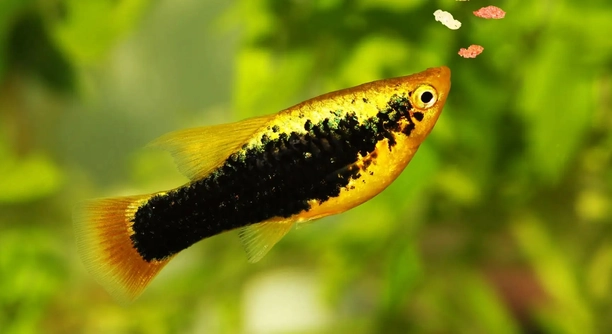
Have you ever looked into your aquarium and wondered how a female platy could be pregnant when there’s no male around?
Platies cannot reproduce entirely on their own, but female platies can store sperm from previous mating encounters and use it to fertilize eggs later, even without a male present in the tank.
This unique ability often surprises new fishkeepers and can lead to unexpected fry in home aquariums. Understanding how it works can help you manage your tank more effectively.
How Female Platies Can Reproduce Without a Male
Female platies have a fascinating ability to store sperm from previous mating sessions. Once fertilized, they can continue to produce several batches of fry over the next few months without the need for a male in the tank. This trait is part of what makes livebearers like platies so popular yet sometimes confusing for new aquarium keepers. After mating, the female can hold onto the sperm in her body and release it as needed to fertilize eggs. This means even if you’ve removed the male weeks ago, fry might still appear unexpectedly. It’s completely natural and doesn’t mean anything is wrong. Some females have been known to give birth up to five times after a single mating. This stored sperm doesn’t last forever, but it’s more than enough to surprise you long after a male is gone. It’s one of those things you learn to expect with livebearers.
This ability helps platies thrive in the wild, where males may not always be around.
While this may seem like a rare skill, it’s actually quite common among livebearers like guppies, mollies, and swordtails. Many people don’t realize this when they start with their first aquarium. It’s easy to assume there’s been a mix-up or that a female somehow “created” fry on her own, but that’s not the case. Once sperm is stored, fertilization and birth can happen weeks later, sometimes repeatedly. Keeping this in mind helps explain many unexpected births in community tanks. It also means separating males and females doesn’t guarantee immediate population control. If you’re not planning to breed your platies, this can be frustrating. However, knowing the reason behind the surprise births makes it easier to manage. The best step is to monitor your females and be prepared to care for the fry if they appear.
Preventing Unwanted Breeding in Platies
Keeping males and females in the same tank almost always leads to breeding.
If you want to prevent your platies from reproducing, there are a few simple things you can do. First, keep only one gender in your tank—either all males or all females. This is the most reliable way to stop any new fry from appearing. If your female platies have already been around males, you might still see a few batches of fry before things settle. Separating them after purchase may not be enough right away, but over time, this method works. You can also consider adding species that do not breed as easily or choosing tank mates that are not livebearers. Keeping the tank population in check helps reduce stress and ensures better water quality too. If fry still appear, you can let nature take its course or move them to a separate tank. It all depends on what you’re comfortable managing in your aquarium.
How to Tell if Your Female Platy is Pregnant
A pregnant platy will usually have a swollen belly and a noticeable dark gravid spot near the back of her abdomen. This spot becomes darker and more visible as the fry develop inside.
Along with the swollen belly and gravid spot, you may notice behavioral changes. Pregnant platies often become less active and prefer to hide among plants or decorations. Some may also eat less or stay near the bottom of the tank. These signs usually become more obvious as the birth approaches. Another clue is increased aggression or irritability, especially if the tank is crowded. Watch for these signs over a few weeks. If she is pregnant, you’ll likely see fry appear within 28 to 30 days. This can happen even if there hasn’t been a male around recently, due to her ability to store sperm.
As she nears the end of her pregnancy, her belly may look boxy or squared off. This is a sign that birth is close, sometimes within a day or two. If you want to protect the fry, you can place the pregnant platy in a breeding box or move her to a separate tank. This helps the babies avoid being eaten by other fish. Just be sure she has enough space and gentle filtration. Once she gives birth, it’s best to return her to the main tank quickly to reduce stress. Watching for these signs can help you prepare ahead of time.
What to Do If Your Platy Keeps Giving Birth
If your female platy keeps giving birth without a male present, it’s likely due to stored sperm. This can continue for a few months, even after the male has been removed from the tank.
You can choose how you want to handle the ongoing births. Some people decide to leave the fry in the tank and let nature take its course, while others move them to a nursery tank to grow safely. If you don’t want more fry, it’s best not to add more males. Over time, the stored sperm will be used up, and the births will eventually stop. Keeping the tank peaceful and clean also helps reduce stress for the female. You don’t need to do anything drastic unless the tank becomes overcrowded. Just monitor the situation and adjust as needed.
If you’re actively trying to stop more fry from being born, patience is key. There’s no instant fix, but the process does end eventually. Focus on water quality, offer good food, and keep a balanced tank to support the female’s health during this time. If fry appear and you don’t want to keep them, you can rehome them, offer them to local fish stores, or allow natural tank behavior to manage their numbers. Some aquarists use community fish that may eat the fry, which helps prevent overpopulation. Choose what works best for your setup and comfort level.
Common Myths About Platy Breeding
Many people believe that female platies can reproduce completely on their own, but that’s not true. They need a male to mate at least once in order to store sperm.
Another common myth is that platies can change gender. In reality, platies are born male or female and stay that way for life.
Why Some Fry Disappear Quickly
Fry often disappear because they get eaten by adult fish, including their own parents. This is normal in a community tank. Without hiding spots like plants or decorations, most fry won’t survive long. If you want to keep them alive, you’ll need to separate them or provide lots of cover.
Should You Separate Male and Female Platies?
If you want to avoid regular breeding, separating males and females is one of the best options. It helps control the population and reduces the chance of stress-related health problems in your tank.
FAQ
Can a female platy get pregnant without a male?
No, a female platy cannot become pregnant without ever mating with a male. She must have contact with a male at least once to store sperm. However, after that one mating, she can continue to give birth multiple times using the stored sperm. This is why you may still see fry weeks or months after removing all males from the tank. It’s a natural feature of livebearers like platies, guppies, mollies, and swordtails.
How many times can a platy give birth from one mating?
A female platy can give birth up to five times or more after just one mating. The exact number depends on the individual fish and her health. These births are usually spaced out over weeks, often around 4 to 6 weeks apart. Since sperm can be stored inside her body, each new batch of fry doesn’t require new mating. Over time, the stored sperm loses its effectiveness, and she’ll eventually stop producing fry if no males are present.
How can I tell the difference between a male and female platy?
Male platies are usually smaller and slimmer than females. They also have a pointed anal fin called a gonopodium, which is used for mating. Females, on the other hand, are rounder and have a fan-shaped anal fin. You’ll also notice that females often have a slightly wider body, especially when they are pregnant. These differences are easier to spot once your fish are fully grown.
What should I do with unwanted fry?
If you don’t want to keep the fry, you have a few options. You can allow nature to take its course in a community tank, where adult fish may eat the babies. If you want to rehome them, some local pet stores or aquarists may be willing to take them. Another option is to separate them into a small tank temporarily until you find a permanent solution. Always make sure fry are healthy and large enough before giving them away.
Do platies breed as often in community tanks?
Yes, platies will breed just as often in community tanks, as long as males and females are present. They are livebearers and do not need any special breeding setup. In fact, most people find their platies breed even when they aren’t trying. If you want to avoid more fry, you’ll need to separate the sexes or keep only one gender in your tank.
How long are platies pregnant?
The gestation period for a platy is typically between 28 to 34 days. However, this can vary depending on the water temperature, the female’s age, and overall tank conditions. Warmer water tends to speed up the process, while cooler water may slow it down. If the female is stressed or sick, it may also delay birth.
Will removing the male stop the female from having more babies?
Not immediately. Even if you remove the male, a female that has already mated can still give birth several times afterward using stored sperm. Eventually, though, the stored sperm will run out, and she’ll stop having fry. This can take a few months, so it’s something to plan for if you’re trying to manage your tank population.
Can fry survive in a tank with adult fish?
Some might, but most will not. Adult platies and other fish in the tank will often eat the fry if they aren’t well hidden. You can increase the fry’s chances by adding plenty of live plants, hiding spots, or breeding grass. If you want a higher survival rate, moving them to a separate tank or breeding box is the safest option.
Do platies need special care after giving birth?
Not necessarily, but keeping the female comfortable helps. After giving birth, she may be tired or stressed, so having a calm environment with good water conditions is important. Make sure she’s not being chased or harassed by other fish. Offer high-quality food and keep a close eye on her behavior for a few days.
Are platies easy to breed on purpose?
Yes, platies are among the easiest fish to breed. If you keep males and females together in a well-maintained tank, they will usually breed without any extra effort. That’s why they’re a popular choice for beginner fishkeepers. Just be sure you’re ready to care for the fry or have a plan for managing the growing population.
Final Thoughts
Platies are peaceful, colorful fish that are easy to care for and even easier to breed. Many people who keep them are surprised to find baby fish in their tank, even when there hasn’t been a male around for weeks. This happens because female platies can store sperm and use it to fertilize eggs later on. It’s a natural process and not something to worry about. If you’re not planning to breed them, it helps to understand how this works so you can make better decisions for your tank. Knowing how to spot a pregnant platy, how to care for her, and how to manage the fry makes the experience smoother. It also prevents confusion and frustration when baby fish suddenly appear.
If your goal is to avoid breeding, keeping only males or only females is the most reliable choice. You can also give the fry a chance to grow by separating them from adults or providing hiding spots with plants and decorations. There’s no perfect method that fits every tank, so what works for someone else might not work for you. The most important thing is to stay informed and adjust based on what’s happening in your aquarium. Being prepared helps reduce stress, not only for the fish but also for you. Regular water changes, a balanced diet, and a calm environment go a long way in keeping your platies healthy, whether they are breeding or not.
Understanding your platies’ breeding behavior doesn’t mean you have to become an expert. It just means you’re better equipped to make choices that support your tank’s health. Whether you want to raise fry or avoid them completely, it’s possible with a little planning. Watching your fish grow and interact is one of the best parts of keeping an aquarium. Unexpected fry may feel like a hassle at first, but they can also be a sign that your fish feel safe and comfortable. And if breeding isn’t for you, there are still easy ways to manage the situation. Either way, learning more about your platies helps you care for them with confidence.

Hello,
If you enjoy the content that we create, please consider saying a "Thank You!" by leaving a tip.
Every little bit helps us continue crafting quality advice that supports the health, happiness, and well-being of pets around the world, for pets of all shapes, sizes, and species.
We really appreciate the kindness and support that you show us!