
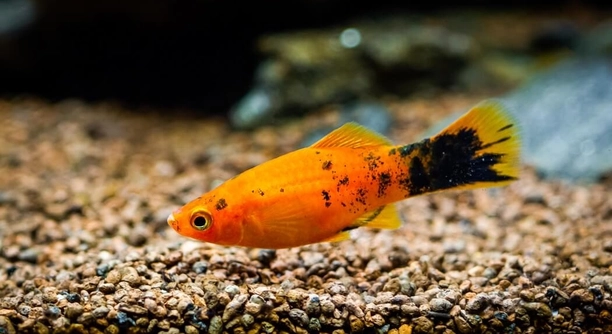
Platies are popular freshwater fish known for their bright colors and easy care. Many fish keepers enjoy breeding them to watch new life grow in their tanks. However, like all living creatures, platies have limits when it comes to breeding.
As platies age, their reproductive abilities decline due to biological and health factors. Older platies show signs such as reduced fertility, less frequent spawning, and increased risk of health issues, making them unsuitable for continued breeding practices.
Recognizing these signs helps maintain a healthy aquarium environment and ensures the well-being of your fish over time.
Decreased Fertility and Spawning Frequency
As platies grow older, their ability to produce healthy eggs and sperm naturally declines. You may notice fewer eggs being laid during spawning or a decrease in the number of fry that survive. This reduction happens because their reproductive organs gradually lose efficiency with age. Sometimes, older females may show irregular spawning patterns or skip spawning altogether. Males may become less active in courting behavior, further reducing breeding success. These changes are typical in aging fish and indicate that breeding efforts might be less productive. Watching for these signs can help you decide when to retire your platies from breeding, ensuring they remain healthy and stress-free.
Lower spawning frequency is a clear sign your platy may be past its prime for breeding.
Knowing when to stop breeding your platy protects their well-being. Continuing to breed older fish can cause stress and weaken their immune system. It is important to give them a peaceful environment without the added demands of reproduction. Retired breeders often live longer, healthier lives when spared from breeding stress. This approach also keeps your aquarium balanced by preventing overcrowding and reducing the risk of genetic problems from breeding older fish. Focusing on younger, healthier platies will improve your breeding results and the overall health of your tank community.
Signs of Physical Aging
Older platies often show visible signs of aging that affect their suitability for breeding. Their colors may fade, and fins might look tattered or less vibrant. You could see slower swimming speeds and reduced energy levels. These physical changes indicate their bodies are not as strong as before. Sometimes, aged platies develop cloudy eyes or skin irregularities, which can suggest declining health. These symptoms mean that breeding could further stress the fish or spread illness within your tank. It’s best to watch for these signs and provide gentle care to help your platy enjoy its later years without the pressure of reproduction.
Physical aging in platies is often obvious and affects breeding potential.
Older platies are more prone to health issues like infections and parasites, which may not be easy to treat. Weakened fish have less ability to recover from the demands of breeding. When you notice your platy’s movements slowing down or its body showing wear, it’s a good time to consider stopping breeding. Providing a calm, stable environment with proper nutrition supports their health in old age. This care helps them live comfortably and stay a vibrant part of your aquarium community without the risks breeding might bring. Observing these signs keeps your fish safe and happy over the long term.
Reduced Activity Levels
Older platies tend to be less active than younger ones. They may spend more time resting or hiding rather than swimming around the tank. This change in behavior often signals that they are not in optimal condition for breeding anymore.
Lower activity in older platies affects their ability to perform normal mating behaviors. Breeding requires energy for courtship, chasing, and spawning, which tired fish may not have. If you notice your platy swimming slower or avoiding interaction, it may be a sign to pause breeding efforts. Keeping active fish for breeding improves success and reduces stress on aging individuals.
Reduced movement can also make older platies more vulnerable to tank mates or environmental changes. Slower fish may struggle to compete for food or escape aggression, further weakening their condition. Providing gentle care and avoiding breeding stress helps maintain their health and quality of life in the aquarium.
Changes in Body Shape
Aging platies often show changes in body shape, such as swelling or a bloated appearance. These physical shifts might indicate internal health problems or reproductive system issues. Such changes are a warning sign to stop breeding.
Swelling or bloating can be caused by infections, tumors, or fluid buildup inside the body. Breeding puts extra strain on a fish’s organs, which can worsen these conditions. If you notice a platy looking unusually round or uneven, it’s best to separate it from breeding groups and monitor its health closely. Ignoring these signs risks the fish’s life and can affect other tank inhabitants.
Older females might experience problems with egg retention, leading to a swollen belly. This condition is painful and dangerous, requiring prompt care. Preventing breeding in fish showing these symptoms supports their comfort and longevity. Paying attention to body shape changes is key to responsible fishkeeping and helps avoid serious health complications.
Weakened Immune System
Older platies often have weaker immune systems. This makes them more prone to infections and illnesses. Breeding can add stress that further lowers their ability to fight diseases.
Stress from breeding can trigger outbreaks of parasites or bacteria. Keeping older fish out of breeding helps protect their health.
Decreased Appetite
Aging platies may eat less than before. This reduced appetite can lead to poor nutrition and slower recovery from breeding stress.
Ensuring a balanced diet tailored to their age supports their health. Avoid forcing older fish to breed if they seem uninterested in food.
Longer Recovery Time
Older platies take more time to recover after breeding. Their bodies don’t heal as quickly, which increases the risk of complications.
Giving them enough rest between breeding attempts is important to avoid exhaustion and maintain overall well-being.
Increased Mortality Risk
Breeding older platies raises the chance of early death. It’s safer to retire them from breeding to ensure they live comfortably.
FAQ
How do I know when my platy is too old to breed?
You can tell your platy is getting too old for breeding by watching for signs like less frequent spawning, faded colors, slower swimming, and changes in body shape. If your fish shows these signs along with reduced appetite or swelling, it’s time to stop breeding. Older platies don’t recover well from breeding stress, so retiring them helps keep them healthy.
Can older platies still live happily without breeding?
Yes, older platies can live a long, comfortable life without breeding. When they stop reproducing, their bodies face less stress, which supports their immune system and overall health. Providing a peaceful tank environment with good food and clean water helps them enjoy their later years.
Is it harmful to breed a platy until it dies?
Breeding a platy until it dies is harmful. Older fish are weaker and more likely to get sick or stressed, which can shorten their lifespan. It’s better to stop breeding when you notice signs of aging to protect their health.
What should I do with older platies that no longer breed?
Older platies should be kept in a calm part of the tank or in a separate tank if possible. Make sure they get good food and low-stress conditions. Avoid adding aggressive tank mates that may bother them. Gentle care helps them live comfortably.
Can health problems in old platies be treated to allow breeding?
Some health problems in older platies can be treated, but breeding may still be risky. Treatments like medications or improved water conditions can help, but it’s best to avoid breeding if the fish is weak or recovering. Prioritizing their health over breeding is important.
How often should I retire platies from breeding?
It depends on the individual fish, but generally, platies can breed successfully for about one to two years. Watch for signs of aging or poor health and retire them as soon as those appear. Retiring platies before serious health issues arise is ideal.
Does breeding younger platies increase success rates?
Yes, younger platies tend to breed more successfully because they have more energy and healthier reproductive systems. Breeding younger fish reduces risks and improves fry survival rates. It’s a good practice to focus on younger, healthier fish for breeding.
Are there any special care tips for older platies?
Older platies benefit from a calm tank with stable water conditions and high-quality food. Avoid sudden changes and stressful situations. Provide hiding spots and gentle tank mates. Monitoring health closely helps catch problems early and keeps older fish comfortable.
What are common health issues in older platies?
Older platies often face infections, fin rot, bloating, and swim bladder problems. These issues reduce their ability to breed and affect their quality of life. Early detection and treatment improve outcomes, but breeding should be paused during illness.
Can breeding too early harm young platies?
Breeding very young platies can cause health problems because their bodies may not be fully developed. It’s better to wait until they are mature but not too old. Proper timing ensures healthier parents and stronger fry.
How can I improve breeding conditions for platies?
Maintain clean water, stable temperatures, and good nutrition. Provide plenty of plants or hiding spaces for fry. Avoid overcrowding and stress. These factors encourage healthy breeding and support both parents and young fish.
Is it normal for older platies to stop spawning?
Yes, it is normal for older platies to reduce or stop spawning. Their bodies slow down as they age, and reproductive functions decline naturally. This is a clear signal to stop breeding and focus on care.
What happens if I continue breeding old platies?
Continuing to breed old platies can cause health decline, stress, and even death. It also risks passing weak genes to offspring. Retiring old breeders is better for the health of your fish and the quality of your aquarium.
Are there differences between male and female aging signs?
Females often show bloating or swelling from egg retention, while males may become less active and lose bright colors. Both sexes experience slower movement and weakened immune systems. Knowing these differences helps identify aging fish accurately.
Can environmental factors speed up aging in platies?
Poor water quality, overcrowding, and stress can make platies age faster and lose breeding ability sooner. Maintaining a clean, stable tank reduces these risks and helps platies stay healthier longer.
Is it better to keep retired platies separate from breeding groups?
Yes, keeping retired platies separate prevents stress from aggressive tank mates or breeding activity. It also reduces competition for food. A calm environment supports their well-being and recovery.
How long do platies usually live?
Platies typically live two to three years with proper care. Breeding too long or poor tank conditions can shorten their lifespan. Retiring platies from breeding at the right time helps them reach their full potential age.
What signs show a platy is stressed from breeding?
Signs include hiding, loss of appetite, rapid breathing, and dull colors. Stress weakens their immune system and increases disease risk. Reducing breeding frequency or retiring the fish helps relieve this stress.
Can diet improve breeding success in platies?
Yes, a balanced diet rich in protein and vitamins improves health and breeding success. Feeding high-quality flakes, frozen, or live foods helps keep platies strong and ready for reproduction.
Are there safer ways to encourage breeding without harming older platies?
Encouraging breeding in younger, healthier fish is safer. For older platies, focus on low-stress environments and good nutrition rather than pushing breeding. Let them rest when signs of aging appear to avoid harm.
Knowing when a platy is too old for breeding is important for their health and happiness. Older platies naturally lose their ability to reproduce well. Signs like less spawning, slower swimming, faded colors, and body changes show they may be past their prime. Continuing to breed fish that show these signs can cause stress and lead to health problems. Retiring older platies from breeding helps them live longer and more comfortable lives. It also keeps your aquarium balanced by preventing overcrowding and reducing the chance of passing on weak genes to the next generation.
Taking care of older platies means giving them a peaceful environment with good food and clean water. Avoid pushing them to breed when they show signs of aging or illness. These fish benefit from gentle care and less competition for food or space. Keeping older fish in calm tanks and providing hiding spots can reduce stress. Monitoring their health regularly lets you catch problems early. When you stop breeding at the right time, your platies are more likely to stay healthy and enjoy their later years without unnecessary strain.
Overall, understanding the signs that your platy is too old for breeding helps you make better decisions for your aquarium. It’s a responsible way to care for your fish and support a healthy tank environment. Focusing breeding efforts on younger, healthier fish improves success and protects your older platies from harm. With thoughtful care and attention, your platies can live full lives, whether breeding or enjoying a peaceful retirement in your aquarium.

Hello,
If you enjoy the content that we create, please consider saying a "Thank You!" by leaving a tip.
Every little bit helps us continue crafting quality advice that supports the health, happiness, and well-being of pets around the world, for pets of all shapes, sizes, and species.
We really appreciate the kindness and support that you show us!