
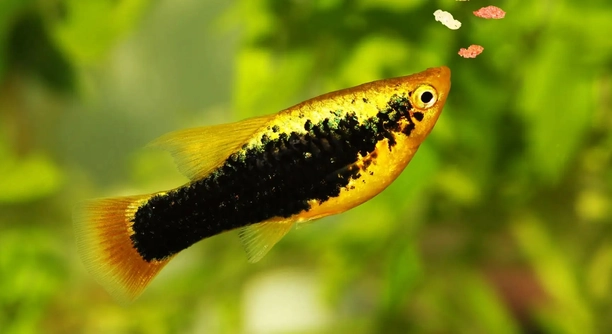
Platies are popular aquarium fish known for their bright colors and easy care. Many fishkeepers enjoy watching them swim happily in well-lit tanks. However, too much light can affect their health and behavior in subtle ways.
Excessive light exposure in platies can cause stress, disrupt their natural day-night cycle, and encourage unwanted algae growth in the tank. This imbalance may lead to weakened immune responses and changes in their activity levels.
Understanding how light impacts platies helps maintain a healthy environment for them. Learning to balance light can improve their well-being and keep your aquarium looking its best.
Effects of Too Much Light on Platies
Too much light can make platies feel stressed and uncomfortable. They rely on a natural day-night cycle to rest and stay healthy. When the tank is lit constantly or too brightly, their behavior can change. They might hide more or become less active during the day. Excess light also promotes algae growth, which can cloud the water and affect water quality. Poor water conditions put extra strain on platies and their immune systems. Over time, this stress may lead to illnesses or even shorten their lifespan. It is important to provide a balanced light schedule, ideally 8 to 10 hours of light daily, to mimic their natural environment and keep them healthy.
Light should not be too intense or on for too long in a platy tank. Finding the right balance is key to their comfort.
By adjusting light duration and intensity, you can reduce stress and keep your platies active and healthy. Watching them thrive in a well-lit but not overexposed tank is rewarding.
Managing Light for a Healthy Aquarium
Platies do best with moderate lighting that mimics natural conditions. Bright light for extended periods can disturb their internal rhythms. You want to create a stable environment where they can swim freely and rest properly. Using timers for aquarium lights helps maintain a consistent schedule without forgetting to turn lights off. This consistency prevents unnecessary stress and supports natural behavior patterns.
It’s helpful to choose lighting that is not overly strong. LED lights with adjustable brightness work well because you can set them to a comfortable level for both fish and plants. Adding some floating plants or decorations can also provide shaded areas where platies can retreat when the light feels too harsh.
Keeping algae growth in check is another benefit of proper lighting. Algae can quickly take over if the tank is exposed to too much light, making it harder to maintain clean water. Regular water changes and tank cleaning go hand in hand with controlling light to create a balanced environment. Monitoring your platies closely will help you notice signs of stress early. This way, you can adjust the lighting or tank setup before problems arise. A little care with light management goes a long way in supporting your platies’ health and happiness.
Signs of Light Stress in Platies
Platies showing signs of stress may become less active or hide frequently. Their colors might fade, and they could lose appetite. These changes indicate that the lighting is not right for them and should be adjusted.
When platies are stressed by too much light, their natural behaviors change noticeably. They may avoid swimming near bright areas and stick to shaded spots. Fading colors signal poor health or discomfort. Loss of appetite is common, which can weaken them over time. Stress also lowers their resistance to diseases, making them more vulnerable to infections. Observing these signs early can help prevent long-term harm. Adjusting light levels or providing hiding places can help them feel safer and regain normal behavior.
If you notice algae growing excessively or your platies acting oddly, check the light schedule and brightness. Reducing light hours gradually or dimming lights can ease stress. Adding plants or decorations offers shelter from harsh light. Creating a calm environment helps platies recover and maintain good health.
Tips to Control Aquarium Lighting
Using a timer is the easiest way to keep light consistent for platies. Timers prevent accidentally leaving lights on too long, which stresses the fish and encourages algae growth. A steady routine supports their natural rhythms.
Choosing adjustable LED lights allows you to set the brightness just right. Dimming the lights helps when you see signs of stress or want to reduce algae buildup. Position lights to avoid shining directly in one spot constantly, as this can overwhelm platies. Including plants or floating covers creates shaded zones that help fish feel secure and rest properly during bright periods. Regularly monitor your tank’s conditions and fish behavior to fine-tune lighting. Good light control makes your aquarium healthier and your platies happier.
Balancing Light and Dark Periods
Platies need a clear balance between light and dark to stay healthy. Too much light without enough darkness disrupts their natural cycle. Make sure they get quiet, dark hours for rest every day.
Providing about 8 to 10 hours of light and 14 to 16 hours of darkness helps mimic their natural environment. This balance supports normal behavior, feeding, and breeding patterns. Avoid leaving the light on overnight or for too long during the day.
Using Plants to Manage Light
Live plants absorb excess light and provide shade for platies. They create hiding spots and reduce stress caused by bright tanks. Plants also improve water quality, which benefits fish health.
Avoiding Overexposure
Always check your tank’s light settings regularly. Adjust to avoid keeping lights on too long. This simple step helps protect your platies from light-related stress and keeps algae under control.
FAQ
How much light do platies need daily?
Platies do well with about 8 to 10 hours of light each day. This amount helps keep their natural rhythms steady. Providing too much light can stress them and encourage algae growth. It’s best to use a timer to keep the lighting consistent and avoid accidentally leaving lights on for too long.
Can too much light kill platies?
While too much light alone might not directly kill platies, it can cause stress that weakens their immune system. Over time, this stress makes them more prone to illness, which can be fatal if not addressed. Controlling the light and maintaining good tank conditions are key to their health.
What happens if my platies don’t get enough light?
Platies need light for normal behavior and feeding. Without enough light, they might become less active or stop eating well. Low light can also affect plant growth in the tank, reducing oxygen levels. Keeping a balanced light schedule helps them stay lively and healthy.
Is it okay to keep aquarium lights on overnight?
It’s not recommended to keep aquarium lights on overnight. Fish, including platies, need a period of darkness to rest. Constant light can disrupt their sleep cycle and cause stress. Use a timer to ensure they get 14 to 16 hours of darkness daily.
How can I reduce algae growth caused by too much light?
Reducing the length of light exposure is the first step to controlling algae. Using plants in the tank also helps, as they compete with algae for nutrients. Regular water changes and cleaning prevent algae buildup. Avoid placing the tank in direct sunlight, which adds extra light.
What type of lighting is best for platy tanks?
LED lights with adjustable brightness are ideal. They are energy-efficient and allow you to control light intensity. Avoid very bright or harsh lighting. Soft, moderate light keeps platies comfortable and supports plant growth without overwhelming the fish.
Can I use natural sunlight for my platy tank?
Natural sunlight is not recommended for most aquariums. It is too strong and inconsistent, which can cause overheating and excessive algae growth. Artificial lighting with timers provides better control and stability for your tank’s environment.
How do plants help platies handle light?
Plants create shaded areas in the tank where platies can retreat when the light feels too bright. They also absorb some of the light and nutrients, reducing algae growth. Having plenty of plants improves overall water quality and creates a more natural habitat for your fish.
What signs show my platies are stressed from light?
Signs include hiding more than usual, fading colors, reduced appetite, and less swimming activity. If you notice these changes, check the lighting and reduce the hours or intensity. Adding decorations or plants can also help platies feel safe.
How often should I adjust the light in my aquarium?
Once you find a good light schedule, it’s best to keep it consistent. However, seasonal changes or new tank setups might require adjustments. Always watch your fish and plants closely for signs they need more or less light, and adjust accordingly.
Platies are lively and colorful fish that bring life to any aquarium. Keeping them healthy means paying attention to their environment, especially the lighting. Light affects their behavior, stress levels, and overall well-being. Too much light can cause problems like stress, poor health, and algae growth, while too little can make them less active and affect plants. Finding the right balance of light and dark periods is important to mimic their natural habitat and keep them comfortable.
Using a timer for aquarium lights helps create a steady routine that platies can rely on. About 8 to 10 hours of light each day, followed by 14 to 16 hours of darkness, gives them enough time to rest and stay active. It’s also helpful to use adjustable LED lights, which let you control brightness. Adding live plants to the tank creates shaded spots where platies can hide if the light feels too strong. These plants also help keep the water clean and reduce algae, making the tank a healthier place for fish.
Paying attention to your platies’ behavior can guide you in managing light well. If you notice hiding, color fading, or loss of appetite, it could be a sign that lighting needs adjustment. Small changes like reducing light hours, dimming lights, or adding plants can make a big difference. Proper lighting care is simple but powerful in helping your platies live longer and happier. Keeping their light environment balanced will support their natural habits and overall health, making your aquarium a pleasant and thriving space.

Hello,
If you enjoy the content that we create, please consider saying a "Thank You!" by leaving a tip.
Every little bit helps us continue crafting quality advice that supports the health, happiness, and well-being of pets around the world, for pets of all shapes, sizes, and species.
We really appreciate the kindness and support that you show us!