
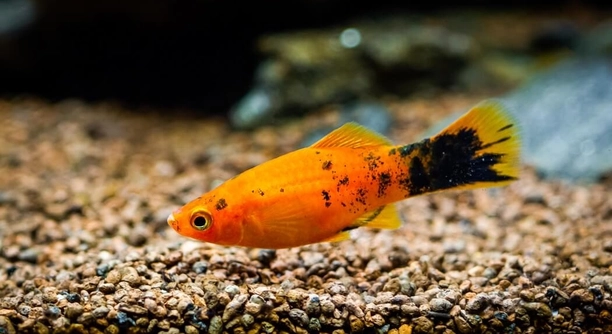
Many platies enjoy spending time resting under plants in their tanks. This behavior is common and can be observed in both new and experienced fish keepers. Understanding why they do this helps create a better environment for these peaceful fish.
Platies rest under plants primarily for shelter and security. Plants provide shade and a sense of protection from perceived threats. This behavior reduces stress and mimics their natural habitat, where hiding spots are crucial for survival and comfort.
Knowing the reasons behind this behavior allows you to improve your tank setup and ensure your platy feels safe and comfortable. This article explores key factors influencing their choice of resting spots.
Why Platies Prefer Plant Cover
Platies naturally seek out areas where they feel safe. In the wild, plants offer protection from predators and strong currents. In an aquarium, plants create a similar refuge. The leaves provide shade from bright lights, which can sometimes be overwhelming for these fish. Resting under plants also helps platies conserve energy by offering calm spots with less water movement. Additionally, plants can serve as a visual barrier, helping platies avoid stress caused by tank mates or outside disturbances. This behavior is instinctive and contributes to their overall well-being. Providing live or artificial plants enhances the tank environment, making platies more comfortable and relaxed.
Plants are important for creating a peaceful space where platies can rest without feeling threatened. This promotes healthier behavior and lowers stress levels in the tank.
Offering various plant types and densities can encourage natural behaviors and support your platy’s comfort and health throughout their life.
Signs Your Platy Is Resting Comfortably
When platies rest under plants, they typically appear calm and still. You may notice them hovering quietly, sometimes with fins slightly spread. This posture indicates they feel secure in their surroundings. They might occasionally swim out to feed or explore but will return to the plants for rest. Healthy platies maintain vibrant colors and clear eyes even when resting. It is important to observe their behavior regularly to ensure that resting under plants is part of a normal pattern and not a sign of illness.
If a platy stays under plants for extended periods without eating or interacting, it could signal stress or health issues.
Healthy resting is a positive behavior showing that your tank environment meets your platy’s needs.
Keeping an eye on these habits helps you make timely adjustments to their care.
How Tank Conditions Affect Platy Behavior
Tank conditions play a major role in where platies choose to rest. Water temperature, lighting, and cleanliness all influence their comfort. If the water is too warm or bright, platies often retreat to shaded areas under plants to cool down and feel safe.
Stable water conditions with proper filtration create a comfortable environment. When water parameters fluctuate or are poor, platies become stressed and may hide more often. Plants help buffer these changes by providing shelter and hiding places. Proper lighting that mimics natural cycles encourages regular activity and rest patterns. Keeping the tank clean with regular water changes supports platy health, reducing the need for constant hiding. Tank decorations like plants improve both physical and mental well-being by offering places to rest away from strong currents or tank mates.
Ensuring balanced water chemistry and adequate plant coverage helps platies feel secure and reduces hiding behaviors that signal discomfort.
The Role of Social Interaction
Platies are social fish that enjoy the company of others, but overcrowding can cause stress. When tank mates are aggressive or too numerous, platies retreat under plants for safety. Maintaining a peaceful community helps minimize stress-related hiding. Introducing compatible fish that share similar temperaments allows platies to feel less threatened and more willing to explore open spaces.
Stress from aggressive fish or overcrowding causes platies to seek shelter more frequently. This behavior is a defense mechanism to avoid confrontation. Providing enough space and hiding spots throughout the tank allows each fish to establish its own territory without conflict. Social harmony in the tank encourages platies to balance resting under plants with active swimming and feeding. Paying attention to fish compatibility and population density helps create a calm environment where platies can thrive without excessive hiding.
Plant Types That Encourage Resting
Different plants provide varying levels of cover. Dense plants like Java fern and Anubias offer excellent hiding spots. Floating plants create shaded areas, making platies feel more secure. Using a mix of plant types improves the tank’s appeal and comfort.
Choosing hardy plants that tolerate aquarium conditions ensures long-lasting shelter. Live plants also improve water quality, benefiting platy health and encouraging natural resting behavior.
Importance of Tank Size
A spacious tank reduces stress by allowing platies room to swim freely and find multiple resting spots. Smaller tanks often lead to crowding, increasing the need to hide under plants for safety.
Providing at least 20 gallons helps maintain water quality and social balance, creating a healthier environment for your platies.
Feeding and Resting Habits
Feeding routines impact how often platies rest under plants. Well-fed platies tend to be more active and explore more of the tank. In contrast, underfed fish may hide more, conserving energy while searching for food.
Consistent feeding times encourage regular swimming and resting patterns, supporting your platy’s overall well-being.
Monitoring Resting Behavior
Observing your platy’s resting habits helps identify changes in health or environment. Sudden increases in hiding may indicate stress or illness, prompting timely adjustments or care.
FAQ
Why does my platy always rest under plants?
Platies rest under plants because they feel safer and more secure in shaded, covered areas. Plants provide natural shelter from bright lights, sudden movements, and other tank inhabitants. This behavior helps reduce their stress and mimics the environment they experience in the wild.
Is it normal for platies to hide a lot?
Yes, it is normal for platies to hide occasionally. However, if they spend most of their time hiding and rarely swim or eat, it could indicate stress, poor water conditions, or illness. Regular observation helps determine if hiding is typical or a concern.
Can plants improve my platy’s health?
Live plants improve water quality by absorbing nitrates and producing oxygen, creating a healthier environment. Plants also offer natural hiding spots that reduce stress. Together, these benefits support your platy’s overall health and comfort.
What types of plants are best for platies?
Hardy plants like Java fern, Anubias, and Amazon sword are ideal for platies. They tolerate a range of water conditions and provide dense cover. Floating plants like duckweed and water lettuce offer additional shade, making platies feel more secure.
How does tank size affect platy behavior?
A larger tank reduces overcrowding and provides more space for swimming and resting. Crowded tanks increase stress and cause platies to hide more frequently. A minimum of 20 gallons is recommended for a small group to promote healthy activity and rest.
Can lighting impact where platies rest?
Yes, strong lighting often causes platies to seek shade under plants. Moderate or adjustable lighting creates a more natural environment. Mimicking natural day and night cycles helps platies feel comfortable and encourages regular movement and resting.
What are signs of stress in platies?
Signs include excessive hiding, loss of appetite, faded colors, erratic swimming, and clamped fins. Stress often results from poor water quality, aggressive tank mates, or sudden environmental changes. Addressing these issues promptly helps improve their well-being.
How often should I clean the tank to help my platies?
Regular water changes, about 25% weekly, maintain good water quality and reduce stress. Cleaning the substrate and removing debris prevents harmful buildup. Clean water supports healthy resting behavior and reduces illness risks.
Can platies get sick from hiding too much?
Hiding itself doesn’t cause illness, but excessive hiding may indicate health problems. Illness or stress makes fish less active and more prone to disease. Monitoring behavior and water quality helps catch issues early for timely treatment.
Do platies rest differently at night?
Platies rest more quietly and remain still during nighttime hours. Plants provide shelter for restful sleep and protection from potential disturbances. A darkened tank helps maintain natural rest cycles important for their health.
Should I add artificial plants if live plants are difficult to maintain?
Artificial plants offer similar hiding spots and shade, helping platies feel secure. While they don’t improve water quality, they can be a good alternative for tanks where live plants struggle. Ensure artificial plants have smooth edges to avoid injuries.
How do I know if my platy is resting or sick?
Resting platies will appear calm, maintain normal color, and resume activity after some time. Sick fish may show lethargy, faded colors, clamped fins, or refuse to eat. Consistent observation is key to distinguishing resting from illness.
Can tank decorations other than plants provide resting spots?
Yes, decorations like caves, rocks, and driftwood create additional hiding and resting places. These help reduce stress and provide environmental variety. Combining plants and decorations improves the tank’s complexity and comfort for platies.
Does feeding affect resting habits?
Proper feeding schedules encourage activity and balance between swimming and resting. Underfed fish may hide more to conserve energy, while overfed fish could become sluggish. Consistent, balanced feeding supports healthy behavior.
Are platies social fish in relation to resting behavior?
Platies enjoy company but need enough space to avoid stress. Social interactions influence resting patterns; they may rest together or seek separate spots. Maintaining a peaceful community helps platies feel secure and balance activity with rest.
What water parameters help reduce hiding behavior?
Stable temperature (around 72–78°F), proper pH (6.8–8.0), and low ammonia/nitrite levels reduce stress. Consistent water conditions encourage confidence in swimming openly rather than hiding excessively. Regular testing ensures these parameters stay balanced.
Can sudden changes in the tank cause increased hiding?
Yes, sudden changes like moving tank decorations, introducing new fish, or changing water parameters cause stress. Platies react by hiding more until they adjust. Minimizing abrupt changes helps maintain a calm environment and steady resting behavior.
Is it okay if my platy rests on the substrate instead of under plants?
Resting on the substrate is normal if the tank has low lighting and few hiding spots. However, frequent resting on bare substrate may indicate stress or discomfort. Providing plants or decorations encourages safer resting areas.
How do temperature fluctuations influence resting spots?
Higher temperatures increase metabolism and activity, but excessive heat drives platies to shaded areas to cool down. Lower temperatures may reduce activity overall. Maintaining stable temperatures prevents stress-related hiding.
What can I do if my platy is hiding too much?
Check water quality, tank mates, and environment for stress factors. Add or rearrange plants and decorations to create comfortable hiding spots. Reduce bright lighting and avoid overcrowding. Monitor feeding and behavior regularly to address problems early.
Platies resting under plants is a natural and common behavior. It shows their need for security and comfort in the tank environment. Plants offer shade, shelter, and protection from stressors like bright light or other fish. This instinctive choice helps platies feel safe and reduces anxiety. When platies use plants as resting spots, it means the tank provides a supportive environment that mimics their natural habitat. Observing this behavior is a sign your platies are finding ways to cope with their surroundings and stay calm.
Maintaining good tank conditions supports this resting behavior and overall platy health. Clean water, stable temperature, and proper lighting all influence how comfortable your fish feel. When the environment is balanced, platies are more likely to rest calmly under plants without hiding excessively. It is important to provide enough plants or decorations to offer hiding spots for all fish, especially if you keep multiple platies. Avoid overcrowding and aggressive tank mates to reduce stress. These simple care steps encourage healthy resting habits and help your platies thrive in captivity.
Watching where and how your platies rest can also give clues about their well-being. Regular, calm resting under plants is normal and healthy. However, if platies hide constantly, avoid eating, or show signs of illness, adjustments may be needed. Check water quality and tank setup when behavior changes. Adding or rearranging plants can create better hiding spaces and reduce stress. Feeding properly and maintaining social balance also contribute to happier fish. Understanding these factors allows you to provide the best care and a comfortable home for your platies.

Hello,
If you enjoy the content that we create, please consider saying a "Thank You!" by leaving a tip.
Every little bit helps us continue crafting quality advice that supports the health, happiness, and well-being of pets around the world, for pets of all shapes, sizes, and species.
We really appreciate the kindness and support that you show us!