
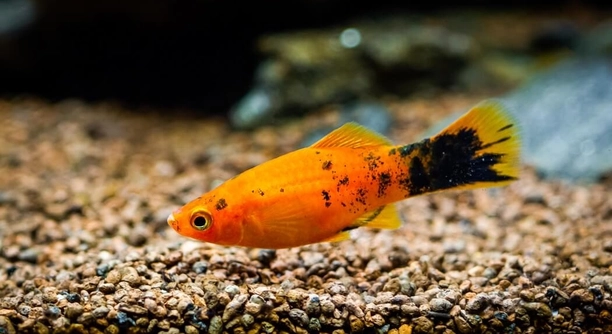
Is your platy fish spending more time alone than with its group? Many fish owners notice their platy avoiding other tank mates without an obvious reason. Understanding this behavior helps keep your aquatic friends healthy and comfortable.
Platies may isolate themselves due to stress, illness, water quality issues, or social hierarchy within the group. Identifying and addressing these factors can improve their social behavior and overall well-being in a community tank.
Learning about common causes of isolation in platies will help you create a better environment for your fish. This knowledge supports happier, healthier tank dynamics for everyone involved.
Common Reasons Why Platies Avoid Their Group
Platies may stay away from their group for several reasons, including stress, illness, or water conditions. Stress can come from sudden changes in the tank, overcrowding, or aggressive tank mates. If a platy feels threatened, it will often seek a quiet spot away from others. Illness can also cause a fish to isolate itself. When sick, they lose energy and avoid interactions. Poor water quality, such as high ammonia or nitrite levels, can make fish uncomfortable, leading to withdrawal. Sometimes, social dynamics within the group cause certain platies to be pushed out or to isolate themselves. This behavior is natural as they establish pecking orders. Watching your fish carefully for changes in behavior and physical appearance can help identify the issue early. Regular tank maintenance and proper stocking levels are key to reducing stress and encouraging social interaction among your platies.
Fish often isolate themselves due to environmental or health factors, which can be addressed with proper care.
Observing your platy’s behavior closely and maintaining stable water conditions will promote a peaceful tank environment. Knowing when to act on signs of illness or stress can prevent further problems. Ensuring your platy has enough hiding places can also help them feel safe. Sometimes, simply rearranging tank decorations reduces tension. Avoid sudden changes in water temperature or chemistry, as platies prefer stable environments. When introducing new fish, do it gradually to lessen disruption. Feeding your platies a balanced diet supports their immune system and energy levels. These simple steps can encourage your platy to rejoin the group and thrive alongside its tank mates.
How to Help Your Platy Feel Comfortable Again
Creating a calm and safe environment is essential for encouraging your platy to return to the group. Ensure the tank is not overcrowded and that water parameters remain stable. Providing hiding spots like plants or decorations helps platies reduce stress and feel secure. Regular water testing and partial water changes maintain good water quality. Observe your platy for signs of illness such as discoloration or unusual swimming patterns and treat accordingly. Adjust tank lighting and avoid loud noises or vibrations that might startle your fish. Sometimes, temporarily separating an aggressive fish can improve group dynamics. By paying attention to these factors, you can support your platy’s health and social behavior, helping it feel comfortable and safe in its home.
Signs Your Platy Is Stressed or Unwell
Stress and illness often cause platies to avoid their group. Look for changes in color, loss of appetite, or erratic swimming as warning signs.
A stressed or sick platy may swim near the surface or hide constantly. They might lose their bright colors or develop spots and sores. If you notice these signs, check water quality immediately. Poor water conditions can worsen their health quickly. Also, consider whether new tank mates or changes in the tank might be causing stress. Early detection helps prevent serious illness and supports recovery.
Behavioral changes can also signal problems. If your platy stops eating or becomes lethargic, it likely needs attention. Treatment may include adjusting water parameters, improving diet, or isolating the fish for observation. Maintaining a clean tank with stable conditions is the best way to avoid these issues in the future.
Adjusting Your Tank Environment for Platy Comfort
Proper tank conditions encourage platies to stay social and healthy. Keep the water temperature between 72°F and 78°F with stable pH around 7.0. Avoid sudden changes that may stress fish.
Regular cleaning, partial water changes, and removing waste help maintain water quality. Include live plants and decorations to provide hiding spots and reduce aggression. These elements make platies feel secure and less likely to isolate themselves. Overcrowding should be avoided to prevent stress and territorial disputes. Carefully choose tank mates that are peaceful and compatible. Adjusting lighting to mimic natural day-night cycles also supports their well-being. Small changes in the environment can greatly improve your platy’s comfort and willingness to engage with the group.
Impact of Tank Mates on Platy Behavior
Aggressive or territorial fish can cause platies to avoid the group. Choosing peaceful tank mates helps reduce stress and isolation.
Platies do best with calm species like guppies or mollies. Avoid fin-nippers or overly dominant fish that may bully them.
Feeding and Nutrition Effects
A poor diet can weaken platies and make them less active or social. Providing a balanced diet rich in protein and vitamins supports their energy and health. Feeding small amounts multiple times a day encourages natural foraging behavior and keeps them engaged with their environment.
When to Seek Professional Help
If your platy continues to avoid the group despite changes, consulting a vet or aquatic specialist is wise. Persistent isolation may indicate underlying health problems needing professional diagnosis or treatment.
FAQ
Why is my platy hiding all the time?
Platies hide when they feel stressed, scared, or unwell. Stress can come from sudden changes in the tank, poor water quality, or aggressive tank mates. If your platy is hiding often, check the water parameters like ammonia, nitrites, and pH. Also, look for signs of illness such as discoloration or lack of appetite. Adding plants and decorations can give your platy safe spots to feel secure, which is normal behavior. However, constant hiding paired with other symptoms may need attention or treatment.
Can a platy get lonely if it’s alone?
Yes, platies are social fish that usually prefer being in groups. A single platy might feel stressed or lonely without companions. They naturally swim and interact with others, so keeping at least three platies together helps reduce stress and promotes natural behavior. However, make sure the tank isn’t overcrowded and that the fish get along well to avoid other problems.
How long does it take for a platy to rejoin its group?
The time varies depending on the cause of isolation. If stress or water quality issues are fixed quickly, platies may start interacting again within a few days. Recovery from illness or adjusting social dynamics may take weeks. Patience is important, along with consistent care and monitoring to ensure the fish feels safe and healthy.
Could a platy’s age affect its social behavior?
Older platies may become less active and social. Like many animals, aging fish can slow down and prefer resting alone. However, if an older platy suddenly isolates itself or shows signs of distress, it could also mean illness. Regular observation is key to distinguishing natural behavior from health concerns.
What tank size is best for platies to prevent isolation?
A minimum of 10 gallons is recommended for a small group of platies, ideally more for comfort. Adequate space reduces stress and allows fish to swim freely and establish territories. Overcrowding increases competition and aggression, which may lead some platies to isolate themselves.
How often should I clean the tank to keep platies healthy?
Partial water changes of about 20-30% once a week help maintain good water quality. Regular cleaning removes waste and prevents buildup of harmful chemicals. Avoid full tank cleanings that disrupt beneficial bacteria. Keeping the tank clean reduces stress and supports your platies’ immune systems, encouraging social behavior.
Are there specific signs that mean my platy is sick?
Common signs include faded colors, clamped fins, gasping at the surface, spots, sores, and unusual swimming patterns like darting or lethargy. Loss of appetite and hiding more than usual are also red flags. Early detection and treatment are essential to prevent worsening health.
Can platies adapt to new tank mates?
Platies are generally peaceful and can adapt well to other peaceful species like guppies or swordtails. Introducing new fish slowly and ensuring compatibility helps reduce stress. Watch for signs of aggression, as this can cause platies to isolate themselves or become stressed.
Is it normal for platies to rest alone sometimes?
Yes, platies may occasionally rest or explore alone, which is normal. Temporary alone time doesn’t always mean there’s a problem. However, consistent avoidance of the group or hiding might suggest stress, illness, or poor tank conditions.
What should I feed my platy to keep it healthy and social?
A varied diet of high-quality flakes, pellets, and occasional live or frozen foods like brine shrimp or bloodworms is best. Good nutrition supports their immune system and energy, encouraging active swimming and socializing. Feeding small portions two to three times a day helps maintain their health without polluting the tank.
When a platy avoids its group, it often signals something important about its environment or health. Many factors can cause this behavior, such as stress, illness, or poor water conditions. Paying attention to your platy’s behavior and tank environment helps you catch problems early. Regularly checking water quality and observing the fish for signs of illness can prevent isolation and promote a healthy, happy tank. Small changes like adding plants or rearranging decorations can also make a big difference in how comfortable your platy feels.
Taking care of platies means keeping their tank stable and peaceful. This includes maintaining clean water, providing enough space, and choosing compatible tank mates. A balanced diet supports their energy and immune system, which helps them stay active and social. When platies feel safe and healthy, they are more likely to join their group and swim happily together. It is normal for fish to sometimes rest alone, but if isolation lasts too long or is paired with other symptoms, it is important to act quickly.
Being patient and consistent with your care routines can improve your platy’s social behavior over time. If you have tried different adjustments and your platy still avoids the group, consulting an aquatic specialist or veterinarian can help. Understanding why your platy is isolating itself allows you to provide the best care possible. With proper attention and care, your platy can regain confidence and enjoy life with its tank mates again.

Hello,
If you enjoy the content that we create, please consider saying a "Thank You!" by leaving a tip.
Every little bit helps us continue crafting quality advice that supports the health, happiness, and well-being of pets around the world, for pets of all shapes, sizes, and species.
We really appreciate the kindness and support that you show us!