
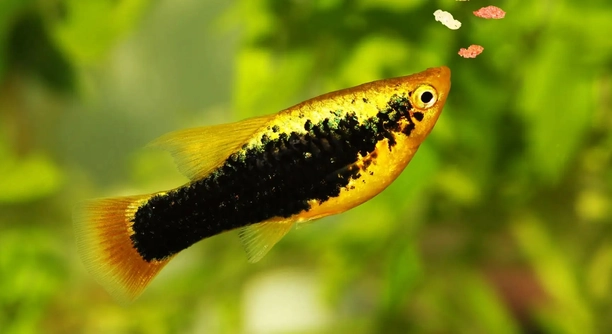
Are your pregnant platies acting differently, and you’re not sure what they need during this important stage of their lives?
Pregnant platies require specific care, including proper nutrition, a stress-free environment, and hiding spots for safety. These essentials support healthy development and increase the chances of successful births in a home aquarium setting.
Understanding their needs will help you create a safer and more comfortable space for your platies throughout their pregnancy.
Provide a Separate Breeding Tank
Placing a pregnant platy in a breeding tank helps protect both her and the fry. It keeps her safe from stress caused by tank mates and gives the fry a better chance of survival. Use a small, filtered tank with a heater to maintain stable conditions. Add live or artificial plants to create hiding spots and reduce anxiety. A calm environment helps the mother feel more secure, making the birthing process easier. Keep the water clean by doing regular small water changes, and ensure the temperature stays between 76–80°F. Monitoring her behavior will also help you know when birth is close. Look for signs like her staying in one place more often or becoming less active. Once the fry are born, remove the mother to avoid accidental eating. Giving her this safe space makes a big difference in their health and safety.
It’s best to move her before she gives birth, not after.
The separate tank doesn’t need to be large, but it must be clean, warm, and quiet. A small sponge filter works well because it won’t suck up tiny fry. Avoid sudden changes in lighting or temperature. These small details can help prevent complications and keep both mother and fry safe in the first few days.
Feed High-Quality Food
Feed your pregnant platy a mix of protein-rich and plant-based foods to support fry development and her own health.
A healthy diet is essential during pregnancy. Offer her high-quality flakes or pellets made for tropical fish, then supplement with live or frozen foods like brine shrimp, daphnia, or bloodworms. These add valuable protein and nutrients. Include blanched vegetables like zucchini or spinach to help with digestion and provide plant-based support. Avoid overfeeding—offer small amounts 2–3 times a day and remove uneaten food. A varied diet improves her strength, reduces stress, and helps ensure that the fry are born strong. You may also notice her colors becoming more vibrant with better nutrition. It’s helpful to buy food from reputable sources to avoid low-quality fillers or harmful additives. Keep track of what she eats and how much, and adjust if needed. If she refuses food, that can be a sign she’s close to giving birth, so reduce feeding and prepare her space.
Keep the Water Clean and Stable
Poor water conditions can stress a pregnant platy and lead to complications. Check ammonia, nitrite, and nitrate levels regularly. Keep the pH between 7.0 and 8.2, and maintain a steady temperature around 78°F. Sudden changes can make her feel unsafe and delay the birthing process.
Do weekly water changes of about 25% using dechlorinated water. A sponge filter helps keep the water clean without creating strong currents. Remove uneaten food quickly to avoid ammonia spikes. Test water at least twice a week during pregnancy, especially if she’s in a separate tank. Use a heater with a thermostat for consistent temperature control. Clean the tank glass and decorations gently to avoid disturbing her. Don’t overcrowd the tank or add new fish during this time. Stable, clean water helps her stay calm and healthy. A stressed platy is more likely to hide, lose her appetite, or give birth prematurely.
Check your equipment often to ensure everything works properly. Sudden heater failures or clogged filters can be dangerous when a fish is about to give birth. Keep an extra air stone or heater on hand in case of emergency. A healthy tank environment supports her immune system and increases the chances of healthy fry being born. A few simple habits can make a big difference.
Add Hiding Spots for Fry
Fry are extremely vulnerable right after birth. Without proper hiding spots, they are often eaten—even by their own mother. Adding live plants, artificial decorations, or fry traps provides instant protection and gives them time to grow safely.
Use plants like java moss, hornwort, or water wisteria because they create dense cover for fry to hide. Floating plants also help fry stay out of sight near the surface. You can also add breeding boxes or mesh dividers to keep them separated until they’re bigger. These hiding spots aren’t just useful—they’re necessary. Fry instinctively seek cover, and without it, their survival rate drops. Position the plants in different parts of the tank to give the fry options and reduce crowding. Avoid rough or sharp decorations that could harm them. Having multiple small hiding areas ensures that each fry finds space to stay safe during those first fragile days.
Watch for Signs of Labor
As labor nears, your platy may isolate herself, often staying near plants or corners. She might refuse food, breathe faster, or seem restless. Her belly may appear more squared-off, and you might see dark fry eyes through her skin.
Stay calm and avoid disturbing her during this time. Keep the tank quiet and reduce light if possible. Avoid moving her unless absolutely necessary. Watch closely—birth can happen quickly, and fry need protection right away. Gentle observation is better than frequent interference.
Remove the Mother After Birth
Once the fry are born, gently move the mother back to the main tank. This helps prevent her from eating the fry and reduces stress for both. Use a soft net or small container to avoid harming her or the newborns.
Limit Stress from Tank Mates
Aggressive or overly active fish can cause stress for a pregnant platy. If she’s still in a community tank, monitor her interactions and separate any fish that bother her. A peaceful tank helps her stay calm and focused on giving birth.
FAQ
How long is a platy’s pregnancy?
Platies are pregnant for about 24 to 30 days, depending on water temperature and individual health. Warmer water tends to speed up the process slightly, but don’t rush it. You’ll notice signs like a growing belly, dark gravid spot, and behavioral changes as the birth date gets closer. Keep monitoring her condition during this time and try not to disturb her too much. If the pregnancy goes beyond 30 days, check the tank conditions and make sure she isn’t stressed or unwell. A healthy platy typically delivers on time when the tank is stable and peaceful.
How many fry do platies have?
A single platy can give birth to anywhere from 20 to 80 fry at once. First-time mothers usually have fewer, often closer to 20 or 30. As they get older and more experienced, the number often increases. Fry numbers also depend on genetics, diet, and the mother’s overall health during pregnancy. A well-fed, healthy platy in a clean environment is more likely to produce a large and strong batch of fry. It’s important to have enough space and hiding spots for the fry because not all of them will survive if left unprotected in a shared tank.
Can platies get pregnant again right after giving birth?
Yes, platies can become pregnant again almost immediately after giving birth. They are livebearers and can store sperm for several months. This means a female might have multiple batches of fry even without a male in the tank after the first mating. If you don’t want more fry, separate the sexes as soon as possible. Otherwise, you could end up with an overcrowded tank. Keep in mind that constant breeding can wear down the female, so it’s important to provide good nutrition and occasional rest periods if you plan to breed platies long-term.
Do platies eat their babies?
Yes, adult platies—including the mother—often eat their fry if given the chance. It’s a natural behavior, not aggression. They don’t recognize the fry as their own, especially in a stressful or crowded environment. That’s why it’s essential to separate the mother from the fry soon after birth and to provide enough plants and hiding spots in the tank. In a community tank, even other fish will try to eat the fry. Using a breeding box, divider, or dedicated fry tank can greatly improve their survival chances during those first critical weeks.
How do I know when to move a pregnant platy?
Move her when she’s clearly pregnant but not showing signs of active labor yet. Look for a boxy belly shape and dark eyes visible near the gravid spot. Try not to move her too late, as labor can be triggered by stress. Avoid handling her too much or using fast nets—use a cup or container if needed. If she seems restless or keeps hiding, leave her alone in the breeding tank and monitor her from a distance. Don’t wait until she starts giving birth, because moving her then can cause complications or fry loss.
Can platies live alone during pregnancy?
Yes, and it’s often better for them during the final days. Being alone in a small, peaceful tank with clean water helps reduce stress. They can rest without being chased or disturbed. However, make sure the tank is warm and well-maintained. Add plants or decorations so she feels secure, and make sure she’s still eating and active. Isolation is not harmful if the tank conditions are right. Just return her to the main tank once the fry are born to prevent her from harming them or becoming too stressed from being alone too long.
Do pregnant platies need special lighting?
Not really. Keep lighting soft and consistent—no sudden changes. Too much bright light can stress her out, especially if the tank lacks hiding places. A regular aquarium light with a timer is fine. Give her a regular day and night cycle, ideally 10–12 hours of light. Avoid flashing lights or turning them on and off suddenly. If possible, dim the lights slightly as she gets closer to giving birth to help her feel more secure. Consistent lighting helps her stay calm and reduces the chances of a stressful birth experience.
Final Thoughts
Taking care of a pregnant platy doesn’t need to be complicated, but it does require attention to detail. Providing a calm, clean, and stable environment is one of the most important things you can do. A quiet tank, proper temperature, and regular water changes help reduce stress and support healthy development. Platies are generally hardy fish, but pregnancy can still be a sensitive time. By observing their behavior and making a few small changes, you can help your platy feel safe and supported from start to finish. Even basic steps—like moving her at the right time or feeding better-quality food—can make a difference.
It’s also important to be prepared for the fry. Many first-time fish keepers are surprised at how quickly the babies arrive and how many there are. Without proper hiding places, most fry won’t survive in a shared tank. Taking the time to add plants or set up a breeding box helps protect them in those early days. Removing the mother shortly after birth is another simple but effective way to improve fry survival. It’s easy to overlook these details until it’s too late, so being ready in advance really helps. Planning ahead keeps things calm and avoids last-minute decisions during a stressful moment.
Platies breed often, so if you keep both males and females, this likely won’t be your last experience with a pregnant fish. Knowing what to do now will help you in the future. Learning to spot the signs of pregnancy, provide the right conditions, and care for both the mother and her fry becomes easier with practice. Over time, it may feel more routine and less overwhelming. Platies can be rewarding to care for, especially when you start to see healthy, active fry growing up in your tank. With simple preparation and a little patience, you can give your fish a safe, healthy place to thrive during and after pregnancy.

Hello,
If you enjoy the content that we create, please consider saying a "Thank You!" by leaving a tip.
Every little bit helps us continue crafting quality advice that supports the health, happiness, and well-being of pets around the world, for pets of all shapes, sizes, and species.
We really appreciate the kindness and support that you show us!