
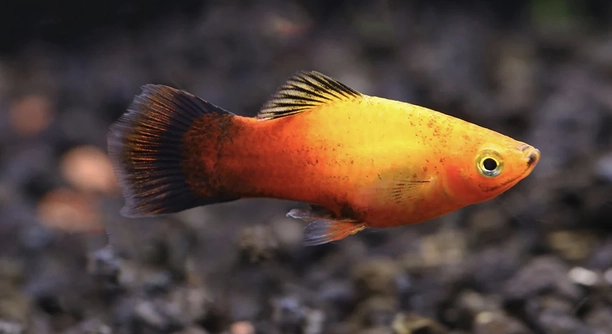
Do you ever notice your platy swimming differently or acting less lively than usual? These small fish can sometimes show signs of discomfort or distress that are easy to miss. Knowing when they are in pain helps you care for them better.
A platy in pain may show changes such as loss of appetite, abnormal swimming patterns, clamped fins, or visible injuries. These signs indicate stress or illness, requiring prompt attention to improve the fish’s well-being and prevent further harm.
Recognizing these signs early allows you to take action to keep your platy healthy and comfortable in its environment.
Common Signs of Pain in Platys
Platys are usually active and curious fish, but when they are in pain, their behavior can change noticeably. One common sign is loss of appetite. A platy that stops eating or eats less than usual may be feeling unwell or in discomfort. Another indicator is unusual swimming patterns, such as swimming erratically, floating near the surface, or hiding at the bottom of the tank. Physical signs like clamped fins, where the fins stay close to the body, can also show distress. Sometimes, you might notice visible injuries, such as torn fins or white spots, which could signal infections or injury causing pain. Changes in color or lethargy are also red flags. These signs should not be ignored, as early detection can help prevent more serious health problems.
Observing your platy daily helps you notice these changes quickly. The sooner you act, the better their chance of recovery.
Caring for platys means watching for subtle signs, which often reveal underlying issues before they get worse.
Causes of Pain in Platys
Stress is a major factor that can cause pain in platys. Poor water quality, such as high ammonia or nitrite levels, can irritate their skin and gills. Overcrowding and aggressive tank mates also create a stressful environment that can lead to injuries. Diseases like fin rot or ich are common and painful infections if left untreated. Injuries from sharp decorations or rough handling during tank cleaning can cause physical pain. Sudden changes in temperature or water conditions may shock the fish and affect their health. Nutrition plays a role too—an unbalanced diet weakens their immune system, making them more vulnerable to illness and pain.
Keeping the tank clean and stable reduces stress. Providing a calm environment with proper tank mates helps platys stay healthy. Regular feeding of a balanced diet strengthens their resistance to disease and injury. Checking water parameters often can prevent many problems before they start. When you notice signs of pain, addressing the cause quickly is key to helping your platy heal and feel better.
How to Care for a Platy in Pain
Providing clean, stable water is essential for a platy in pain. Regular water changes help remove toxins that can worsen their condition.
Keeping the water parameters steady is important. Use a water testing kit to check ammonia, nitrite, and nitrate levels often. The ideal temperature for platys is between 72°F and 78°F. Avoid sudden changes that can stress them more. If you spot signs of illness, isolate the affected fish to prevent spreading. Adding aquarium salt may help some minor infections, but follow guidelines carefully to avoid harming the fish.
Feeding a balanced diet supports recovery. Offer high-quality flakes or pellets, along with occasional live or frozen foods like brine shrimp. Avoid overfeeding, as leftover food can degrade water quality and cause more stress.
When to Seek Help from a Veterinarian
If your platy shows severe symptoms like constant lethargy, bloating, or open wounds, professional advice is necessary. A vet can diagnose infections or diseases that need specific treatment.
Aquarium veterinarians have experience with fish illnesses and can recommend proper medication or care. Some problems might require prescription drugs or specialized procedures beyond home remedies. Early intervention improves chances of recovery. If you are unsure about symptoms or treatment, don’t hesitate to get expert guidance. This ensures your platy receives the best care possible and avoids prolonged suffering.
Preventing Pain in Platys
Keeping the tank clean and well-maintained is the best way to prevent pain in platys. Regular water changes and monitoring water quality reduce the risk of illness.
Avoid overcrowding by giving each platy enough space. Choose peaceful tank mates to lower stress and prevent injuries from aggression.
Signs of Chronic Pain in Platys
Chronic pain in platys can be harder to detect because the symptoms develop slowly. Fish may become less active over time and lose weight gradually. Persistent fin clamping or faded colors are common signs. These subtle changes often mean the fish has been uncomfortable for an extended period. It is important to watch your platy closely and respond early to prevent long-term suffering.
Environmental Factors to Monitor
Temperature, water hardness, and pH levels all affect platy health. Sudden fluctuations in these factors can cause stress and pain. Keeping the environment stable supports their well-being and comfort.
FAQ
How can I tell if my platy is in pain or just sick?
Pain and sickness often show similar signs in platys, such as loss of appetite, lethargy, or abnormal swimming. However, pain is more likely if you notice physical injuries, clamped fins, or signs of distress like rapid breathing. Illness might include symptoms like white spots or cloudy eyes. Watching behavior closely over time helps differentiate between the two.
What should I do if I think my platy is in pain?
First, test the water quality to ensure the environment is safe. Isolate the fish if possible to avoid spreading infections. Adjust tank conditions like temperature and cleanliness. If physical injury or illness is visible, consider treatment with appropriate medication. If unsure, consult a vet experienced with fish.
Can painkillers be given to platys?
Fish do not respond well to typical painkillers made for humans or mammals. There are no common painkillers safe for home use in aquarium fish. Treatment focuses on improving water quality, reducing stress, and addressing the cause of pain such as infection or injury.
How often should I check my platy’s health?
Daily observation is best. Platys are active fish, so changes in behavior or appearance can show up quickly. Quick detection of problems allows for faster treatment and better outcomes.
Is it normal for platys to hide sometimes?
Occasional hiding is normal, especially during tank cleaning or if new fish are added. However, frequent or prolonged hiding may indicate stress, illness, or pain. Check other signs to decide if something is wrong.
What are the most common diseases causing pain in platys?
Fin rot, ich (white spot disease), and fungal infections are common causes of pain and discomfort. These diseases often result from poor water conditions or stress and need treatment with specific medications.
Can tank decorations hurt my platy?
Sharp or rough decorations can cause injuries that lead to pain. Smooth surfaces and safe plants are better choices. Avoid overcrowding decorations so platys have enough space to swim freely.
How important is diet for preventing pain?
A balanced diet strengthens the immune system and helps prevent illness. Feeding a variety of foods, including quality flakes and occasional live or frozen options, supports overall health and comfort.
Should I quarantine new fish before adding them to the tank?
Yes, quarantining new fish for at least two weeks helps prevent introducing diseases or parasites that could cause pain and suffering for your platys.
What water parameters are ideal for platys?
Platys thrive in water with a temperature of 72°F to 78°F, pH between 7.0 and 8.2, and moderate hardness. Keeping these parameters stable reduces stress and pain risks.
Can stress cause pain in platys?
Stress weakens the immune system and can make platys more vulnerable to infections and injuries that cause pain. Reducing stress by maintaining a peaceful environment and good water quality is essential.
How long does it take for a platy to recover from pain or illness?
Recovery time varies depending on the cause and severity. Minor injuries or infections may heal in a few days to weeks with proper care. Chronic conditions take longer and sometimes need ongoing treatment.
Are there any signs that indicate my platy is dying?
Severe lethargy, loss of appetite for several days, gasping at the surface, and extreme color fading can indicate serious health decline. If these signs appear, immediate action or veterinary advice is necessary.
Can I prevent platy pain by keeping fewer fish in the tank?
Yes, overcrowding causes stress and increases the risk of injury and disease. Providing enough space and keeping a proper fish count helps maintain a healthy environment and prevents pain.
What should I avoid when treating a painful platy?
Avoid using medications without proper diagnosis, sudden water changes, or overcrowding during treatment. These actions can increase stress and worsen pain instead of helping recovery.
Platys are small fish that can bring a lot of joy to a tank, but they need good care to stay healthy and comfortable. Watching how your platy behaves and looks is the best way to know if something is wrong. Changes in eating habits, swimming, or appearance often point to pain or illness. Paying attention to these signs early helps you take action quickly, which can make a big difference in your fish’s health. Keeping the tank clean and stable, feeding a good diet, and avoiding stressful situations are simple steps to reduce the chance of pain.
It is important to remember that fish can’t tell us when they hurt, so we have to be their voice by observing carefully. Sometimes, the signs of pain are subtle, like clamped fins or slight color changes. Other times, the fish may act very differently, such as hiding all the time or not moving much. When you notice these behaviors, checking the water and tank conditions is the first thing to do. Clean water with the right temperature and chemistry creates a safe home that helps your platy heal and avoid pain.
If you find your platy is in pain or sick, don’t hesitate to act. Simple steps like isolating the fish, improving water quality, and offering proper food can help a lot. In some cases, you may need medicine or advice from a vet who knows about fish health. Taking good care of your platy is a way to show respect and kindness toward a living creature that depends on you. With patience and attention, you can keep your platy healthy and make your aquarium a peaceful place for them to thrive.

Hello,
If you enjoy the content that we create, please consider saying a "Thank You!" by leaving a tip.
Every little bit helps us continue crafting quality advice that supports the health, happiness, and well-being of pets around the world, for pets of all shapes, sizes, and species.
We really appreciate the kindness and support that you show us!