
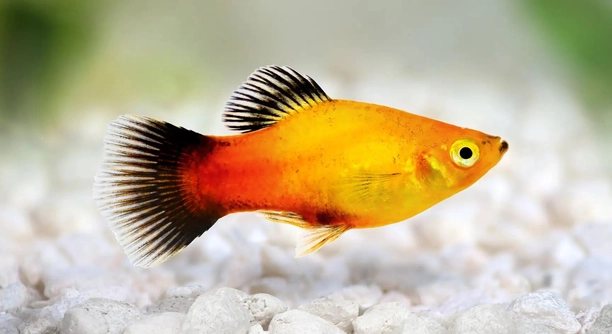
Are your platies sensitive to the sounds around their aquarium? Many fishkeepers wonder if loud noises affect these small, colorful fish. Understanding how platies react can help keep them healthy and comfortable in their environment.
Platies are moderately affected by loud noises, which can cause stress and erratic behavior. Prolonged exposure to loud or sudden sounds may negatively impact their well-being, making it important to maintain a calm and stable environment for them.
Knowing how noise influences platies helps create a peaceful tank where they can thrive. This article will explain what kinds of sounds matter and how to protect your fish from unnecessary stress.
How Loud Noises Impact Platies
Loud noises can cause stress in platies, which affects their behavior and health. When sudden sounds happen near the tank, platies might swim erratically or hide more than usual. This reaction is a natural response to potential danger. Over time, constant noise can weaken their immune systems, making them prone to illness. It is important to keep the environment around the tank quiet and stable. Avoid placing the aquarium near loud appliances or areas where there is frequent noise, like a TV or speakers. Stress from noise not only disrupts their daily activity but can also affect their feeding habits and reproduction. Creating a calm space ensures your platies stay active and healthy. Small changes, such as moving the tank to a quieter room or using noise-absorbing materials nearby, can make a big difference in their well-being.
Even noises outside the room, like footsteps or doors slamming, can startle platies.
Reducing noise levels near the aquarium protects your fish from unnecessary stress. Quiet surroundings promote healthier behavior, encouraging your platies to swim freely and eat regularly. Consistent calmness in their habitat supports their growth and overall happiness, preventing health problems related to stress.
Signs of Stress in Platies from Noise
Stress from loud sounds can show in various ways. Platies might lose their bright colors or stay hidden for long periods. You may notice rapid breathing or less interest in food. These are signs they are uncomfortable.
When platies experience stress, their immune system becomes weaker, making them more vulnerable to diseases such as fin rot or ich. Stress can also affect their breeding behavior, leading to fewer fry or less frequent spawning. Watching for changes in swimming patterns or appetite helps catch stress early. If you see these signs, try to identify and reduce noise sources around the tank. Maintaining a stable routine with minimal sudden noises helps platies recover quickly. Using plants or decorations in the tank can provide hiding spots, giving them a safe space when they feel overwhelmed. Keeping noise low around the aquarium creates a better environment, allowing platies to feel secure and live longer, healthier lives.
Creating a Quiet Environment for Your Platies
Keeping the area around the tank calm helps reduce stress for platies. Soft background noise, like gentle music, is better than sudden loud sounds.
Placing the aquarium away from busy areas like doorways or speakers can minimize disruptions. Using rugs or curtains in the room also helps absorb sound. If possible, avoid tapping on the glass or making quick movements near the tank. These small efforts create a peaceful space where platies feel safe. A quiet environment encourages natural behavior, making it easier for you to enjoy watching your fish.
Adding plants and decorations inside the tank gives platies places to hide when noises occur. This can reduce their stress and provide a sense of security. The calmer their surroundings, the healthier and more active they will be. Ensuring a low-noise setting supports their long-term well-being and helps them thrive in captivity.
Using Equipment to Reduce Noise
Choosing quiet equipment is important to maintain a calm tank environment. Filters and air pumps with low noise levels prevent unnecessary stress.
Regular maintenance of equipment helps avoid loud buzzing or rattling sounds. Make sure parts are tightly fitted and clean. Some aquarium filters come with sound-dampening features, which are useful in noise-sensitive setups. Placing equipment on soft mats can also reduce vibrations that create noise. These steps help keep the tank peaceful for your platies.
Quiet equipment combined with a thoughtful tank setup minimizes stress triggers. This allows platies to focus on eating, swimming, and breeding without disturbance. When equipment noise is controlled, your aquarium becomes a relaxing space both for the fish and for you. Taking time to select and maintain gear carefully pays off in the health and happiness of your aquatic pets.
How to Calm Stressed Platies
Reducing noise is the first step to calming stressed platies. Turning off loud devices nearby helps immediately.
Providing hiding spots like plants or caves gives them a safe place to relax. A calm environment supports their recovery.
Monitoring Your Platies’ Behavior
Keep an eye on how your platies act after reducing noise. Look for improvements in swimming, color, and appetite. Stress signs should lessen within a few days if the environment is quieter.
If stress continues, check water quality and tank conditions. Sometimes noise is not the only cause. Good care combined with a peaceful space promotes healthy fish and helps avoid future problems.
Avoiding Loud Noises Around the Tank
Limit loud talking, banging, or sudden movements near the aquarium. Keeping the area peaceful protects your platies from unnecessary stress.
FAQ
Do platies really get stressed from loud noises?
Yes, platies can get stressed from loud or sudden noises. Like many fish, they have sensitive hearing and can detect vibrations in the water. Loud sounds can cause them to dart around quickly, hide, or become less active. Over time, this stress can weaken their immune system and affect their overall health.
How can I tell if my platies are stressed?
Look for changes in behavior such as hiding more often, swimming erratically, or losing their bright colors. They may also eat less or breathe rapidly. These signs usually show when platies feel threatened or uncomfortable, often due to environmental factors like noise or poor water quality.
Can noise stress cause health problems in platies?
Yes, continuous stress from noise can lead to health issues such as weakened immunity, making them vulnerable to diseases like fin rot or ich. Stress also impacts their ability to breed, and prolonged stress can shorten their lifespan.
What noises are most harmful to platies?
Sudden loud bangs, constant loud talking, or noises from household appliances can be harmful. Vibrations caused by tapping the aquarium glass or placing the tank near heavy machinery should also be avoided.
Is background noise okay for platies?
Soft background noise, such as quiet music or normal room sounds at a low volume, generally does not bother platies. The key is to avoid sudden or very loud noises that can startle them.
How can I reduce noise around the aquarium?
Place the tank away from busy areas like doorways, TVs, or speakers. Use rugs, curtains, or furniture to absorb sound. Avoid tapping the glass or making sudden movements near the tank.
Does tank equipment create stressful noise for platies?
Some equipment can create vibrations or buzzing sounds that stress platies. Choosing quiet filters and pumps and maintaining them properly helps reduce noise. Placing equipment on soft mats can also minimize vibrations.
What should I do if my platies are stressed?
First, reduce noise and sudden disturbances near the tank. Provide hiding spots like plants or decorations for the fish to retreat to. Check water quality and maintain a stable environment. Stress usually decreases with these changes.
Can platies get used to noise over time?
Platies might become less reactive to consistent low-level noise, but loud or sudden sounds will always cause stress. It’s best to keep their environment as quiet as possible to prevent long-term harm.
Does stress from noise affect platies’ breeding?
Yes, stressed platies may breed less frequently or produce fewer healthy fry. A calm environment encourages natural breeding behaviors and healthier offspring.
Are platies more sensitive to noise than other fish?
Platies are moderately sensitive compared to some species. While they tolerate normal household sounds, they react negatively to loud or sudden noises. Some fish, like cichlids, might be more tolerant, but all benefit from quiet surroundings.
Can I use soundproofing materials around my tank?
Yes, adding foam panels, carpets, or curtains near the aquarium room can reduce noise levels. This helps create a calm space that protects your platies from stress caused by outside sounds.
What are some signs that noise is not the only stress factor?
If platies remain stressed despite reducing noise, check water temperature, pH, and cleanliness. Poor water conditions, overcrowding, or aggressive tank mates may also cause stress.
How long does it take for platies to recover from noise stress?
Recovery time varies, but usually, platies show signs of improvement within a few days to a week after noise levels drop and their environment stabilizes.
Is it okay to play music near the tank?
Soft, gentle music at low volume is generally safe. Avoid loud or bass-heavy music that can create vibrations or sudden sounds disturbing to the fish.
Can I train platies to ignore noise?
Fish do not really train like pets, but regular exposure to consistent, low-level sounds might reduce startled reactions. Still, it’s best to limit noise to keep them comfortable and healthy.
What’s the best way to keep platies stress-free?
Provide a quiet, stable environment with good water quality and hiding places. Avoid sudden noises and vibrations. Regular tank maintenance and gentle handling also help keep platies happy and healthy.
Final Thoughts
Platies are beautiful and lively fish that bring color to any aquarium. Like many fish, they respond to their surroundings, and loud noises can make them feel stressed or scared. It is important to remember that their small size and sensitive nature mean they can be easily affected by sudden or constant loud sounds. Creating a calm and quiet environment around their tank helps platies stay healthy and active. Reducing noise is not difficult and can make a big difference in how well your fish live.
Stress from loud noises affects platies in several ways. When stressed, they might swim nervously, hide more often, or lose their bright colors. This behavior is a sign that they feel unsafe or uncomfortable. Long-term stress weakens their immune system, making them more likely to get sick. It can also affect their appetite and breeding habits. By controlling noise levels, you help your platies live longer, healthier lives. It’s a simple step that protects their well-being and helps them thrive in your care.
Taking care of platies means paying attention to many details, including how noisy their environment is. Placing the tank in a quiet spot, using gentle equipment, and avoiding loud sounds near the aquarium all contribute to their comfort. Adding plants and decorations inside the tank gives them places to hide and feel safe when sounds do occur. Monitoring their behavior regularly lets you spot stress early and make changes quickly. With patience and a calm setting, platies can feel secure and enjoy a happy life in your aquarium.

Hello,
If you enjoy the content that we create, please consider saying a "Thank You!" by leaving a tip.
Every little bit helps us continue crafting quality advice that supports the health, happiness, and well-being of pets around the world, for pets of all shapes, sizes, and species.
We really appreciate the kindness and support that you show us!