
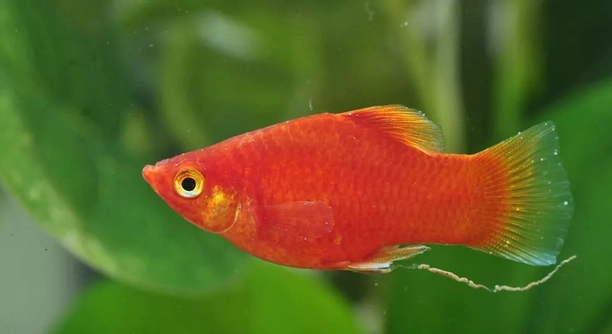
Platies are popular freshwater fish known for their peaceful nature and vibrant colors. Many aquarium owners enjoy keeping them with other species in community tanks. Understanding how platies behave when a tank mate dies helps maintain a calm environment.
Platies often show little visible reaction to the death of tank mates but may exhibit slight changes in behavior such as increased hiding or curiosity. Stress levels can rise temporarily, but they usually adapt quickly if water quality remains stable.
Recognizing these subtle responses can help fish owners manage tank conditions better. Observing your platies carefully after a loss can support their well-being and keep the community peaceful.
How Platies Sense the Loss of Tank Mates
Platies are sensitive to changes in their environment, and the sudden absence of a tank mate can create subtle shifts around them. They rely heavily on sight and smell to understand what is happening in their aquarium. When a fish dies, its body begins to decompose, releasing chemicals that platies can detect. This can cause mild stress or curiosity as they explore the area. Some platies may swim cautiously near the deceased fish or hide more than usual. However, these reactions tend to be short-lived if the tank water is clean and the environment remains stable. Proper removal of the dead fish is important to prevent water quality from worsening, which could increase stress for the platies and other inhabitants. Keeping a balanced tank with good filtration helps minimize any negative effects of losing a tank mate.
Platies respond mostly to environmental changes rather than the death itself. Their reactions fade quickly with proper care.
Monitoring water quality and removing deceased fish promptly will help maintain a peaceful aquarium atmosphere and keep platies healthy.
Behavior Changes After a Tank Mate Dies
Platies may change their routine slightly when a tank mate dies. Some become more withdrawn, spending extra time hiding or staying at the bottom of the tank. Others might swim around more cautiously, checking the area where the loss occurred. These behaviors show their adjustment to the change but usually do not last long.
In some cases, platies may become less active or lose appetite for a short time. These signs of stress should improve once the tank environment is restored to normal. Proper maintenance, including water changes and ensuring the tank is free of toxins, is crucial to support the fish’s recovery. Providing familiar decorations and plants can also comfort them by keeping their surroundings consistent. Observing your platies closely will let you know when they have returned to their usual lively behavior. Understanding these subtle reactions helps you respond effectively when a tank mate passes away.
Removing Dead Tank Mates Quickly
Removing dead fish quickly helps keep the tank safe and clean. Decomposition can release harmful toxins that affect water quality.
Dead fish left in the tank can cause ammonia and nitrite levels to rise, which stresses all the fish, including platies. This can lead to illness or even death if not addressed quickly. Using a net to remove the dead fish immediately and performing a partial water change helps maintain a healthy environment.
After removal, check the water parameters with a test kit to ensure levels are safe. Keeping filters clean and monitoring regularly reduces the chance of water issues. Prompt action protects your platies and the rest of the tank community.
Signs of Stress in Platies
Platies showing stress may swim erratically, lose appetite, or hide more than usual. These are common responses to tank changes.
Stress weakens their immune system and makes them more vulnerable to disease. Watch for faded colors or lethargy, which can also indicate problems. Providing stable water conditions and minimizing disturbances helps reduce stress.
If stress signs continue, test water for toxins and check tank mates for aggression. Adjusting diet with quality food and ensuring a calm environment supports recovery. Keeping stress low improves platies’ health and happiness over time.
How to Support Platies After a Loss
Providing extra hiding spots helps platies feel safe after a tank mate dies. Plants and decorations create secure spaces.
Maintaining stable water temperature and quality is important. Avoid sudden changes to reduce stress during this time.
Feeding Adjustments During Stress
When platies are stressed, offering smaller, more frequent meals can encourage eating. High-quality, nutritious food supports their immune system and recovery. Avoid overfeeding, as leftover food can worsen water quality and add to their stress.
Cleaning and Maintenance After a Death
Regular water changes and filter checks are crucial after a fish dies. Removing waste and toxins quickly helps keep the tank environment healthy for your platies.
FAQ
How do platies react immediately after a tank mate dies?
Platies usually show only mild reactions right after a tank mate dies. They may swim closer to the spot where the fish was or hide more than usual. This behavior is often a response to changes in the environment, not necessarily an emotional reaction to the loss. Their curiosity or stress fades quickly, especially if the dead fish is removed promptly and the water stays clean.
Can platies sense when another fish is sick before it dies?
Platies can notice unusual behavior in other fish, like slow swimming or loss of color, which may indicate illness. They may become more cautious or keep their distance from the sick fish. This natural instinct helps them avoid potential risks. However, they don’t react emotionally to the illness but respond to environmental cues.
What should I do if my platies seem stressed after a tank mate’s death?
First, test your water for ammonia, nitrites, and nitrates, as poor water quality often causes stress. Perform a partial water change and remove any dead fish or debris. Add plants or decorations for hiding places and avoid sudden changes to water temperature or lighting. Feeding smaller, more frequent meals can also help.
Will platies become aggressive after a tank mate dies?
Platies are generally peaceful and rarely become aggressive due to the death of a tank mate. However, if stress levels rise because of poor water conditions or overcrowding, some fish may act more territorial. Keeping the tank clean and balanced helps prevent aggression.
How long does it take for platies to return to normal behavior?
Usually, platies recover within a few days after the death of a tank mate, provided the environment remains stable. Maintaining clean water and removing any cause of stress speeds up this process. If platies continue hiding or lose appetite beyond a week, there might be other health or tank issues to address.
Is it safe to keep other fish in the tank immediately after a fish dies?
Yes, it is generally safe if the dead fish is removed quickly and water parameters are checked. Keeping an eye on water quality and the health of remaining fish is important. If the cause of death was disease, quarantine measures should be considered to avoid spreading illness.
How often should I check the water after losing a tank mate?
It’s a good idea to test water daily for at least a week after a fish dies. This helps catch any spikes in toxins early. Frequent testing and partial water changes prevent stress and protect your platies.
Do platies need any special care after losing a tank mate?
Special care means ensuring stable water conditions, adding hiding spots, and feeding nutritious food. Avoid adding new fish immediately, as this can increase stress. Focus on keeping the environment calm and clean.
Can the death of one fish affect the whole tank?
Yes, especially if the dead fish is not removed promptly. Decomposition releases toxins that affect water quality, which can harm other fish. It’s crucial to act fast to prevent a chain reaction of illness or death in the tank.
How can I prevent fish deaths in a community tank?
Keep water parameters stable, feed quality food, avoid overcrowding, and quarantine new fish before adding them. Regular maintenance and monitoring fish health helps catch problems early, reducing the risk of death.
What signs show that water quality is poor after a fish dies?
Cloudy water, foul smells, fish gasping at the surface, or unusual swimming patterns are signs of poor water quality. Testing water is the best way to confirm problems and take corrective action.
Should I remove all decorations to clean the tank after a death?
No need to remove all decorations. Clean them gently if they have buildup or debris. Keeping familiar decorations helps fish feel secure during stressful times.
Do platies grieve or feel loss like humans?
Platies don’t grieve as humans do. Their reactions are mostly instinctive responses to environmental changes and stress, not emotional sorrow. Their focus is on survival and adapting to their surroundings.
Is it okay to keep platies with other species after one fish dies?
Yes, platies do well with many peaceful species. Just make sure the tank is not overcrowded, and water conditions are good. Introducing new fish too soon, however, can increase stress.
What are the best tank mates for platies to reduce stress?
Peaceful species like guppies, mollies, and Corydoras catfish make good companions. They share similar water needs and behavior, which helps maintain harmony.
How can I tell if a platy is sick and might die soon?
Look for signs like lethargy, loss of appetite, faded colors, clamped fins, or unusual swimming. Early detection and treatment improve chances of recovery.
What is the best way to dispose of a dead fish?
Use a plastic bag to remove the fish from the tank, then dispose of it in the trash or bury it. Avoid flushing, as this can cause plumbing issues or environmental harm.
Can sudden death of a tank mate cause long-term stress in platies?
If water quality and tank conditions are kept stable, long-term stress is unlikely. Proper care and environment help platies adjust quickly.
Are there any signs that indicate platies are recovering well after a loss?
Signs of recovery include normal swimming, eating regularly, brighter colors, and less hiding. Consistent behavior shows they feel safe again.
Should I change the tank setup after a fish dies?
Not necessarily. Sudden changes can add stress. Only make small adjustments if needed to improve water quality or provide more hiding places.
When a tank mate dies, platies may react in small, noticeable ways, but they usually adjust quickly. Their responses are mostly related to changes in the environment rather than emotional feelings. Watching for signs like hiding more, swimming cautiously, or losing appetite can help you understand how your platies are coping. It is important to remember that maintaining good water quality and a stable tank environment is the best way to support their health during these times.
Removing dead fish quickly is essential to prevent water pollution, which can stress or harm platies and other tank inhabitants. Clean water reduces the risk of disease spreading and helps the whole community stay balanced. Besides water quality, providing hiding spots with plants or decorations can make platies feel safer while they adjust to the change. Feeding them smaller, more frequent meals with nutritious food can also support their recovery and reduce stress.
Overall, caring for platies after a tank mate dies requires attention to their behavior and the tank conditions. Keeping the environment calm, stable, and clean will help platies return to normal quickly. If you notice prolonged stress or health problems, checking water parameters and seeking advice from a specialist can be helpful. With proper care, platies can thrive even after losing a tank mate, continuing to brighten your aquarium with their lively presence.

Hello,
If you enjoy the content that we create, please consider saying a "Thank You!" by leaving a tip.
Every little bit helps us continue crafting quality advice that supports the health, happiness, and well-being of pets around the world, for pets of all shapes, sizes, and species.
We really appreciate the kindness and support that you show us!