
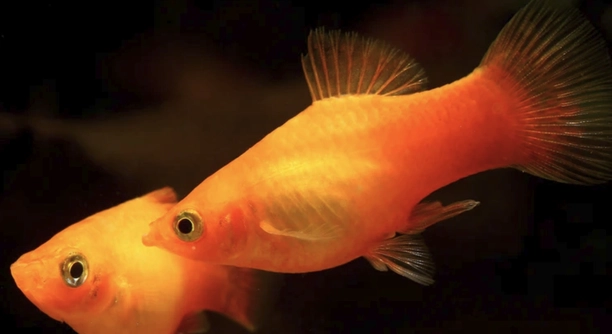
Platy fish are popular pets known for their vibrant colors and easy care. Many owners enjoy watching their playful behavior and peaceful nature. Keeping them healthy requires some regular attention every week.
Weekly care for platy owners involves checking water quality, performing partial water changes, feeding appropriate amounts, inspecting fish for health issues, cleaning decorations, maintaining proper filtration, and monitoring tank temperature to ensure a stable environment.
These simple weekly steps help maintain a happy, thriving aquarium that your platies will enjoy for years to come.
Check Water Quality Regularly
Keeping your platy’s water clean is one of the most important weekly tasks. Testing for ammonia, nitrites, and nitrates helps catch problems early before they harm your fish. Use a water test kit to check these levels every week. If you find high ammonia or nitrites, do a partial water change immediately. Nitrates should be kept low to avoid stressing your platies. Also, check the pH and hardness to keep them within the ideal range for platies, usually between 6.8 and 8.0 pH. Consistent water testing supports a healthy environment where your fish can thrive and stay active.
Regular water testing helps maintain a safe environment and prevents sudden health issues.
Testing water may seem simple, but it greatly impacts your fish’s health. Many problems with platies come from poor water conditions. By catching imbalances early, you avoid illness and stress. Using a reliable test kit, check ammonia, nitrites, nitrates, pH, and hardness every week. Adjust water changes and treatment based on results. Keeping water quality stable reduces the chance of disease and supports growth. This step is essential for any platy owner wanting long-lasting success with their aquarium.
Perform Partial Water Changes
Changing about 20-30% of your tank water weekly removes waste and harmful chemicals that build up over time. This refreshes the water and keeps your fish comfortable. Use a gravel vacuum to clean the substrate while removing water. Be careful to use water treated with a dechlorinator, as chlorine and chloramine in tap water can harm your platies. Matching the temperature of new water to the tank helps prevent stress. Regular partial changes support a balanced tank environment and prevent spikes in toxins.
Partial water changes are key to maintaining a clean tank and healthy fish.
Skipping water changes can lead to cloudy water and toxic buildup. Over time, fish waste, uneaten food, and plant debris produce ammonia and nitrates. These substances can harm your platies and stunt their growth. By changing part of the water each week, you dilute toxins and keep the environment stable. It also helps replenish minerals needed for fish health. Using a siphon makes this task easier and allows you to clean the gravel where waste collects. Remember, consistency is important—doing small weekly changes is better than doing large infrequent ones. This habit will improve water clarity, fish vitality, and overall tank cleanliness.
Feed Appropriate Amounts
Overfeeding platies can cause water quality issues and health problems. Feed small portions that your fish can finish within two minutes.
Feeding the right amount means offering only what your platies can eat quickly. Uneaten food decomposes and pollutes the water, raising ammonia and nitrate levels. This can stress or even poison your fish. It’s better to feed twice a day in small portions than one large feeding. Variety in their diet also matters—include flakes, pellets, and occasional live or frozen foods for balanced nutrition. Watch how much they eat and adjust accordingly.
Consistency helps maintain water quality and keeps your platies healthy. Avoid feeding scraps or overfeeding. Platies are small fish with modest appetites, so smaller meals support their well-being without adding extra waste to the tank.
Inspect Fish for Health Issues
Check your platies for signs of illness, such as spots, torn fins, or unusual behavior. Early detection improves treatment success.
Look closely at each fish weekly. Healthy platies swim actively, have bright colors, and clear eyes. Watch for clamped fins, slow movement, or hiding, which may signal stress or disease. White spots, redness, or fuzzy patches on the body can mean infections or parasites. If you notice any symptoms, separate the affected fish to prevent spreading. Treat illnesses quickly using appropriate medication. Keeping your tank clean and stable reduces health risks, but regular inspection is essential to catch problems early.
Clean Decorations and Plants
Algae and debris can build up on decorations and plants, affecting tank appearance and water quality. Clean these surfaces gently each week.
Use a soft brush or sponge to remove algae without damaging plants or decorations. Avoid harsh chemicals that can harm fish.
Maintain Proper Filtration
Filters keep the water clear by removing waste and circulating oxygen. Check your filter every week to ensure it’s working well.
Clean or replace filter media as needed to avoid clogging. A well-maintained filter supports a healthy tank environment by preventing toxin buildup.
Monitor Tank Temperature
Platies thrive in water between 70°F and 82°F. Use a reliable aquarium thermometer to track temperature weekly.
Stable temperatures reduce stress and promote good health. Avoid sudden temperature changes by keeping the tank away from drafts or direct sunlight.
How often should I feed my platies?
Feeding platies twice a day is usually ideal. Give them small portions they can finish within two to three minutes. Overfeeding causes leftover food to decay and pollutes the water, which can harm your fish. Stick to small amounts and adjust if you see uneaten food after feeding.
What type of food is best for platies?
Platies thrive on a balanced diet of high-quality flakes or pellets designed for tropical fish. Supplement with occasional live or frozen foods like brine shrimp, daphnia, or bloodworms. Including some vegetable matter, such as blanched spinach or spirulina flakes, can also improve their health and color.
How often should I change the water in my platy tank?
A weekly partial water change of about 20-30% is best. This helps remove toxins and keeps the environment stable. Avoid changing too much water at once, as sudden changes can stress your fish. Regular changes keep your tank clean and your platies healthy.
What water parameters are ideal for platies?
Platies prefer a pH between 6.8 and 8.0 and water hardness from 10 to 28 dGH. Temperature should stay between 70°F and 82°F. Keep ammonia and nitrites at zero and nitrates under 20 ppm. Maintaining these levels supports their health and longevity.
How do I know if my platies are sick?
Look for signs like faded colors, clamped fins, lethargy, loss of appetite, or unusual spots on their bodies. Rapid breathing or gasping at the surface may indicate poor water quality or illness. Catching problems early allows for more effective treatment.
Can platies live with other fish?
Yes, platies are peaceful and do well with other calm, community fish like guppies, mollies, or tetras. Avoid aggressive or much larger species that may bully or eat them. A well-planned community tank creates a balanced and stress-free environment.
Why is my platy’s color fading?
Fading colors can be due to stress, poor water quality, inadequate diet, or illness. Ensure the tank conditions are stable, water is clean, and they receive a nutritious diet. Sometimes, older fish naturally lose some vibrancy, but sudden changes should be checked.
How long do platies usually live?
With proper care, platies typically live 2 to 3 years. Maintaining clean water, stable conditions, and a healthy diet can help them reach or even exceed this lifespan. Regular monitoring and prompt care improve their chances of a longer life.
Is it necessary to use a heater for platies?
Platies prefer warmer water, so a heater is recommended if room temperature drops below 70°F. Keeping the temperature steady prevents stress and illness. Use a reliable aquarium heater and thermometer to maintain a consistent environment.
How can I prevent algae growth in my tank?
Control light exposure by limiting aquarium light to 8-10 hours daily. Avoid overfeeding, as excess food encourages algae. Regular cleaning of tank surfaces, plants, and decorations removes algae buildup. Using live plants can also help compete with algae for nutrients, reducing its growth naturally.
Taking care of platies involves simple but consistent weekly tasks. These tasks help keep the water clean, the fish healthy, and the tank environment stable. By testing water quality, changing part of the water regularly, and feeding the right amounts, you create a safe home for your platies. Small actions, done every week, prevent many common problems and make sure your fish stay active and colorful. Regular care also reduces stress on your platies, which helps them live longer and stay disease-free.
Watching your platies each week lets you catch health problems early. Signs like changes in behavior or appearance often mean something is wrong. Checking for illness regularly allows you to act fast and avoid more serious issues. Keeping decorations clean and the filter working well also supports good water quality. These tasks might seem small, but they build up to a healthy tank environment. When your tank is well-maintained, your platies can thrive and show their natural colors and lively personalities.
In the end, caring for platies is about being consistent and attentive. It does not require a lot of time, but it does need regular effort. Keeping the tank clean, feeding properly, and watching your fish helps prevent problems before they start. This simple routine benefits both you and your platies by creating a balanced and pleasant aquarium. With these habits in place, your platies will stay happy and healthy, giving you enjoyment and peace of mind.

Hello,
If you enjoy the content that we create, please consider saying a "Thank You!" by leaving a tip.
Every little bit helps us continue crafting quality advice that supports the health, happiness, and well-being of pets around the world, for pets of all shapes, sizes, and species.
We really appreciate the kindness and support that you show us!