
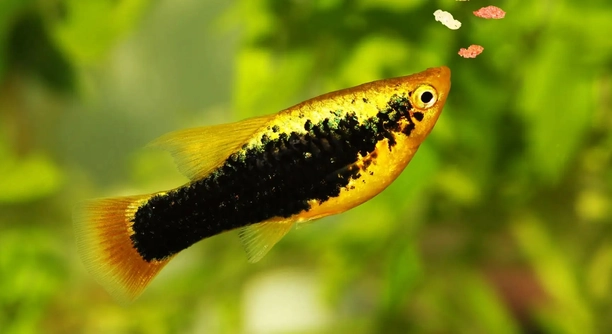
Platies are popular freshwater fish known for their bright colors and peaceful nature. Many hobbyists enjoy keeping them in home aquariums. Understanding their growth patterns can help maintain a healthy tank environment.
Platies do not grow indefinitely; they typically reach their full size within 6 to 12 months. Growth slows significantly after this period, stabilizing around 2 to 3 inches in length. Factors such as diet, water quality, and genetics influence their growth rate.
Knowing when and how platies stop growing helps in planning tank space and care routines. This information is useful for both new and experienced fishkeepers alike.
How Fast Do Platies Grow?
Platies grow fastest during their first few months of life. When they are young, they need plenty of food rich in protein to support their rapid development. As they mature, their growth rate slows down. Good water quality also plays a big role in helping them grow healthy and strong. If the water is dirty or unstable, platies may stop growing early or develop health problems. Tank size matters too; cramped spaces can limit their growth. On average, platies reach about 1 inch in their first two months. By the time they are 6 months old, most are close to their full size. Consistent feeding and regular water changes encourage steady growth. Knowing how fast your platies grow will help you provide better care and avoid overcrowding your aquarium.
Growth rates can vary between individual fish, but most platies slow down significantly after six months.
Monitoring growth allows you to adjust care routines and ensure your fish stay healthy and comfortable in their environment.
Factors Affecting Platy Growth
Several factors influence how big platies grow and how fast they reach maturity. Diet is one of the most important elements. Feeding high-quality flakes or pellets supplemented with live or frozen foods like brine shrimp supports healthy growth. Poor nutrition can stunt growth and weaken immune systems. Water temperature is also key; platies thrive between 70 and 78 degrees Fahrenheit. Temperatures outside this range can stress them and slow development. Genetics influence size too—some strains naturally grow larger or smaller. Tank conditions, including filtration and water changes, help maintain stable environments that promote growth. Overcrowding causes stress and competition for food, which can reduce growth rates. By controlling these factors, you can help your platies reach their full potential size, ensuring they stay active and vibrant in your aquarium.
When Do Platies Stop Growing?
Platies generally stop growing around one year of age. After this point, their size remains mostly stable, with only minor changes depending on conditions.
Most platies reach their maximum size between 6 and 12 months. After that, growth slows dramatically as they mature fully. Environmental factors, such as water quality and diet, can influence how quickly they reach this stage. If conditions are optimal, platies develop to their typical adult size of 2 to 3 inches. In less ideal situations, growth may slow earlier or fish may remain smaller.
Even after reaching full size, platies will continue to gain weight and become fuller in body shape. This makes them look healthy and vibrant, but their length usually won’t increase significantly. Proper care is important throughout their life to maintain their health and appearance.
Signs Your Platy Has Stopped Growing
Adult platies show certain signs when they have stopped growing. Their length remains consistent for several months, and they display a fuller body shape without getting longer. Fin size also stabilizes during this time.
When a platy reaches its adult size, behavior tends to become calmer and more predictable. Males may show brighter colors during breeding periods but do not increase in size. Female platies become rounder when pregnant but don’t grow longer. Monitoring these signs helps ensure your fish is healthy and growing normally.
How to Promote Healthy Growth in Platies
Providing a balanced diet with quality flakes and occasional live food helps platies grow well. Consistent feeding times support their metabolism.
Maintaining clean water with regular changes keeps platies healthy. Proper tank size reduces stress and allows room for growth.
Common Growth Problems in Platies
Stunted growth often results from poor water quality or insufficient nutrition. Overcrowding causes stress, limiting development. Diseases and parasites can also affect growth. Identifying these issues early is key to correcting them. Regular water testing and proper tank management prevent many common problems that affect platy growth.
When to Seek Help for Your Platy’s Growth
If a platy remains unusually small or shows signs of illness, consult a veterinarian or experienced fishkeeper. Early intervention improves outcomes.
Can Platies Regrow After Injury?
Platies can recover from minor injuries, including fin damage, with good care. However, growth lost due to poor conditions cannot be regained.
FAQ
Do platies keep growing after one year?
Platies usually stop growing around one year old. After this age, their length stays mostly the same. They may still gain weight or appear fuller, but their size won’t increase much. Good care can keep them healthy, but growth slows as they reach adulthood.
How big do platies get?
Adult platies generally reach between 2 and 3 inches in length. Some may be slightly smaller or larger depending on their genetics and environment. Males tend to be a bit smaller and slimmer, while females are usually larger and rounder, especially when carrying fry.
What affects a platy’s growth rate?
Several things impact how fast and how big platies grow. Diet is very important—protein-rich food helps growth. Water quality matters too; poor water can stunt growth or cause illness. Tank size and space also play a role because cramped conditions create stress and limit development. Genetics set natural limits on maximum size.
Can platies regrow lost fins or tails?
Yes, platies can regrow damaged fins or tails if their environment is clean and they’re healthy. Injuries heal best in well-maintained tanks with good water quality. However, the regrown fin might look slightly different from the original.
Why is my platy not growing?
If a platy isn’t growing, poor water quality or a lack of proper nutrition is often the cause. Overcrowded tanks can cause stress, which also slows growth. Illness or parasites might affect development too. Regular water tests and feeding a balanced diet usually fix these problems.
When should I worry about my platy’s growth?
You should consider a problem if your platy remains very small for several months, loses weight, or shows other signs of illness like lethargy or spots. Slow or no growth combined with unhealthy behavior means it’s time to check water conditions and consult an expert if needed.
Does water temperature affect platy growth?
Yes, platies grow best in temperatures between 70 and 78°F (21 to 26°C). Temperatures outside this range can stress them and slow growth. Keeping stable, appropriate water temperature supports their health and development.
Do platies grow faster in bigger tanks?
A larger tank allows more swimming space and reduces stress, which can promote better growth. While tank size alone won’t make platies grow bigger than their genetics allow, it helps maintain good water quality and reduces competition for food.
Can platies outgrow their tank?
Since adult platies reach around 3 inches, they usually don’t outgrow standard home aquariums. However, overcrowding multiple fish in a small tank can cause stress and poor water quality, affecting growth and health. Proper tank size and population balance are important.
Is it normal for platies to grow unevenly?
Sometimes individual platies grow at different rates due to genetics or access to food. Dominant fish may eat more and grow faster, while shy ones lag behind. Uneven growth is common but should balance out over time with proper care.
How often should I feed platies to encourage growth?
Feeding small amounts two to three times daily is ideal. Overfeeding causes water problems, while underfeeding slows growth. A mix of quality flakes and occasional live or frozen foods keeps platies healthy and supports steady development.
Do platies stop growing if they are stressed?
Yes, stress caused by poor water quality, overcrowding, or aggressive tankmates can slow or stop growth. Stress also weakens the immune system, making fish more vulnerable to disease. Reducing stress helps restore normal growth patterns.
Can platies grow back after being sick?
Platies can recover their health and continue growing if treated early for illnesses. Severe or long-term sickness may stunt growth permanently. Maintaining clean water and a balanced diet aids recovery and growth after illness.
Are male and female platies different sizes?
Yes, females are typically larger and rounder, while males stay smaller and slimmer. Females often grow a bit longer, especially when mature and carrying fry. This size difference is normal and helps in sex identification.
How can I tell if my platy is fully grown?
Your platy is likely fully grown if its length hasn’t changed much for several months and it has a full, healthy body shape. Fin size and color will also stabilize. Adult platies tend to be more settled in behavior compared to juveniles.
Does breeding affect platy growth?
Breeding can temporarily affect female size because pregnant females appear rounder and fuller. After giving birth, females may return to a slimmer shape. Breeding doesn’t make platies grow longer but can influence body shape changes over time.
If you want to ensure your platies grow healthy and happy, focusing on good food, clean water, and a stress-free environment will make all the difference.
Platies are wonderful fish to keep in an aquarium because they are colorful and easy to care for. Understanding their growth habits is helpful for anyone who owns or wants to own them. Platies grow quickly during their first months and usually stop growing in length after about one year. At this point, they reach their full adult size, which is typically between 2 and 3 inches long. It is important to remember that even after they stop growing in length, they may continue to gain weight or look fuller as they mature. Knowing this can help you avoid worrying about small changes in size once they have reached adulthood.
Taking care of platies properly can support their healthy growth. Feeding them a good diet with protein-rich foods is key to helping them grow well in their early months. Clean water and regular tank maintenance are just as important because poor water conditions can slow or stop growth. Stress from overcrowding or sudden changes in the tank can also affect their health and size. Giving your platies enough space, feeding them properly, and keeping their environment stable helps them grow to their natural size and live a healthy life.
It’s also useful to watch for signs that a platy may not be growing as expected. If a fish stays very small for a long time, looks unhealthy, or acts strangely, there could be a problem with water quality, nutrition, or disease. Addressing these issues early can help the fish recover and continue to grow properly. Remember, every platy is a little different, and growth can vary due to genetics and environment. By focusing on good care and a clean tank, you can enjoy watching your platies thrive and live happily in your aquarium.

Hello,
If you enjoy the content that we create, please consider saying a "Thank You!" by leaving a tip.
Every little bit helps us continue crafting quality advice that supports the health, happiness, and well-being of pets around the world, for pets of all shapes, sizes, and species.
We really appreciate the kindness and support that you show us!