
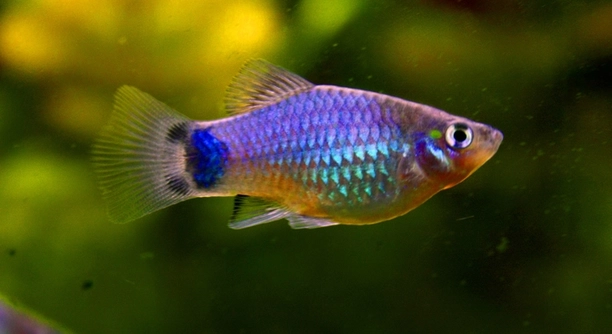
Fry survival rates are important for anyone raising young fish. Ensuring more fry survive can improve the health and growth of your aquatic population. Small changes in care and environment can make a big difference in survival outcomes.
Improving fry survival rates involves providing optimal water conditions, proper nutrition, and minimizing stress factors. Regular monitoring and maintaining clean tanks are essential. Careful attention to temperature, oxygen levels, and feeding frequency supports healthier, stronger fry development.
Increasing fry survival rates requires understanding key factors that affect their growth and well-being. This article outlines practical steps to help enhance your success with fry care.
Maintain Optimal Water Quality
Water quality is crucial for fry survival. Regular water changes help keep ammonia, nitrite, and nitrate levels low, which prevents toxic buildup. Using a reliable test kit allows you to monitor these parameters closely. Keeping the tank clean also reduces the risk of harmful bacteria and algae growth. Temperature should be stable and suited to the species you are raising, as sudden fluctuations can stress fry. Aeration ensures enough oxygen is available, supporting healthy respiration. Avoid overcrowding, as too many fry in a small space can degrade water quality quickly. It is also important to condition new water properly before adding it to the tank to avoid shocking the fry. Attention to these details creates a safer environment where fry can thrive and grow steadily.
Regular water testing and changes can significantly improve the survival chances of your fry.
Keeping water stable, clean, and well-oxygenated reduces stress and disease risk, encouraging stronger fry growth. Consistent monitoring ensures conditions remain ideal for development.
Provide Appropriate Nutrition
Proper nutrition is key to healthy fry development. Start by feeding high-quality fry food or specially prepared live foods like baby brine shrimp, which are easier to digest and highly nutritious. Feeding small amounts frequently helps prevent food waste and water pollution. As fry grow, gradually introduce a variety of foods to ensure balanced nutrition. Avoid overfeeding since leftover food can contaminate the tank and harm water quality. Fresh, varied diets support immune function and growth rates, reducing mortality. It’s essential to observe how your fry respond to the diet and adjust accordingly to meet their changing needs. Proper feeding routines combined with good tank maintenance create an environment where fry can flourish.
Consistent, appropriate feeding supports fry health and promotes steady growth, reducing risks of malnutrition or water quality issues.
Tailoring feeding schedules and food types to fry size and species is important. Begin with easily digestible foods and slowly introduce diversity to meet nutritional demands. Overfeeding leads to poor water conditions, so feeding small, measured amounts helps maintain cleanliness. Watching the fry’s reaction to food can guide adjustments in quantity or type. A well-planned nutrition routine strengthens fry immunity and enhances survival rates over time.
Control Tank Population
Overcrowding increases stress and competition among fry. It leads to poor water quality and stunted growth. Maintaining an appropriate number of fry in the tank is essential for survival.
Separating fry by size can prevent larger ones from eating smaller siblings. Using breeding nets or separate rearing tanks helps manage population density effectively. Overstocked tanks cause aggression and increase the chance of disease spreading quickly. A balanced population ensures enough resources, such as food and oxygen, for all fry. Regularly removing excess fry or moving them to bigger tanks can reduce crowding. Keeping population under control supports healthier and more active fry, improving overall survival rates.
By carefully monitoring and managing tank population, you create a less stressful environment. This encourages better feeding behavior and reduces injuries. Less crowding also lowers the buildup of waste and harmful bacteria. Fry are more likely to develop normally and reach maturity when population is controlled. This simple step often has a major impact on increasing fry survival and growth.
Maintain Stable Temperature
Sudden temperature changes stress fry and increase mortality rates. Keeping the tank temperature stable is important for their health.
Consistent temperature within the ideal range for your species supports metabolic processes and immune function. Use a reliable heater and thermometer to monitor and adjust temperature as needed. Avoid placing tanks near windows or vents where drafts can cause fluctuations. Even small shifts can weaken fry, making them vulnerable to disease. Gradual changes in temperature, if necessary, are better tolerated than abrupt ones. Stability encourages normal feeding and activity levels, helping fry grow stronger and more resilient.
Temperature affects oxygen levels in water, so stability supports proper respiration. Stable heat reduces the risk of fungal infections and stress-related illnesses. Regular monitoring and adjustments prevent dangerous spikes or drops. This care step is vital for a healthy environment, promoting higher survival rates and steady growth in fry populations.
Reduce Stress Factors
Stress weakens fry and lowers survival chances. Minimizing disturbances and sudden changes helps keep them calm.
Avoid loud noises and sudden movements near the tank. Consistent lighting and gentle handling reduce stress, promoting healthier growth.
Use Proper Filtration
Effective filtration removes waste and maintains water clarity without creating strong currents. Choose filters suited for fry tanks, like sponge filters.
These filters provide gentle water flow and prevent fry from being sucked in. They support beneficial bacteria growth, improving water quality and stability essential for fry health.
Monitor Fry Health
Watch for signs of illness or injury daily. Early detection helps prevent outbreaks and loss.
Healthy fry swim actively and eat well. Keeping a close eye on their condition allows prompt action if problems arise, improving overall survival.
FAQ
How often should I change the water in a fry tank?
Regular water changes are essential for fry survival. Typically, changing 20-30% of the water once or twice a week works well. This helps keep ammonia and nitrate levels low. Avoid changing too much water at once, as sudden shifts can stress fry. Conditioning new water before adding it maintains stability.
What is the best food for newly hatched fry?
Newly hatched fry need very small, easily digestible food. Infusoria or freshly hatched baby brine shrimp are excellent choices. As they grow, you can introduce finely crushed flakes or specialized fry pellets. Feeding small amounts multiple times a day ensures they get enough nutrition without fouling the water.
Can I keep different species fry together?
Mixing fry from different species is generally not recommended. Different species have varying needs and growth rates. Some may become aggressive or outcompete others for food. Keeping fry separate allows for better care tailored to each species and reduces risks of stress and injury.
How important is tank size for fry survival?
Tank size matters because it influences water quality and space for growth. Overcrowding in small tanks can lead to poor water conditions and stress. A larger tank provides stable conditions and more room for fry to grow. However, even in small tanks, maintaining low population density is key.
What signs show that fry are stressed or unhealthy?
Stressed or unhealthy fry may swim erratically, hide excessively, or refuse food. Physical signs include clamped fins, discoloration, or visible sores. Slow growth or lethargy can also indicate problems. Early detection and adjustment of conditions can prevent further loss.
Is aeration necessary for fry tanks?
Aeration is important to keep oxygen levels adequate, especially in densely stocked tanks. Gentle air stones or sponge filters provide both filtration and oxygenation. Proper aeration supports respiration and helps maintain stable water parameters crucial for fry health.
How can I prevent diseases in fry?
Maintaining clean water, stable conditions, and good nutrition helps prevent disease. Quarantining new fish before adding them to the tank reduces risk. Avoid overfeeding and overcrowding, as these promote poor water quality and disease outbreaks. Regular observation helps catch illnesses early.
What is the ideal temperature range for most fry?
The ideal temperature varies by species but generally falls between 75°F and 80°F (24°C-27°C). Consistency is more important than exact numbers. Sudden temperature changes should be avoided to reduce stress. Using a heater and thermometer ensures stable conditions.
How long does it take for fry to mature?
Maturity time depends on the species and care quality. Some fry grow rapidly in a few weeks, while others take several months. Providing optimal conditions accelerates growth. Tracking development helps plan when to move fry to larger tanks or introduce them to community tanks.
Can fry survive without live food?
While live food is beneficial, some fry can adapt to high-quality commercial fry foods. Live food often improves survival and growth due to its natural nutrients. If live food is unavailable, gradually introducing crushed flakes or pellets works, but results may vary depending on species and care.
Final Thoughts
Raising fry successfully requires attention to many details, but the effort is rewarding. Ensuring proper water quality, feeding, and tank conditions creates a healthier environment for young fish. Small changes, like frequent water testing and controlling population density, can greatly improve survival rates. Consistency in care is key, as sudden changes can cause stress or illness. Taking time to observe fry regularly helps catch issues early and adjust as needed.
Feeding plays an important role in fry development. Providing the right type of food in the right amounts supports healthy growth and prevents water contamination. Live foods are often beneficial but not always necessary if good quality alternatives are available. It is important to feed small portions several times a day to avoid overfeeding. Gradually adjusting diets as fry grow ensures they receive balanced nutrition for stronger immune systems and faster development.
Finally, keeping temperature and oxygen levels stable helps maintain ideal living conditions. Minimizing stress by reducing noise, handling fry carefully, and avoiding overcrowding also supports survival. Using gentle filtration and regular tank maintenance reduces the risk of disease outbreaks. Each of these factors works together to create an environment where fry can thrive. With patience and attention to these basics, raising healthy fry becomes a manageable and fulfilling process.

Hello,
If you enjoy the content that we create, please consider saying a "Thank You!" by leaving a tip.
Every little bit helps us continue crafting quality advice that supports the health, happiness, and well-being of pets around the world, for pets of all shapes, sizes, and species.
We really appreciate the kindness and support that you show us!