
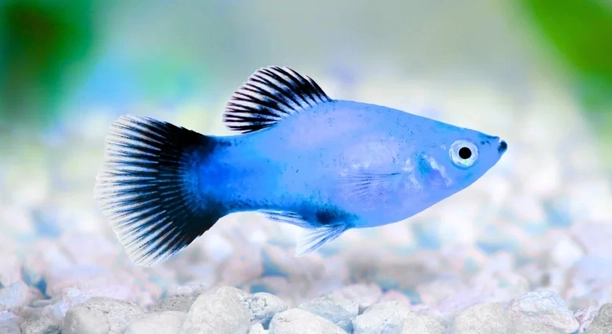
Platies are popular freshwater fish known for their vibrant colors and peaceful nature. Many owners enjoy watching them swim actively around the tank. Sometimes, after a water change, these fish may suddenly hide, causing concern for their well-being.
Platies often hide after a water change due to stress caused by sudden changes in water temperature, chemistry, or flow. These environmental shifts can make them feel unsafe, prompting hiding as a natural coping mechanism until conditions stabilize.
Understanding why your platy retreats can help you provide a calmer environment and improve its comfort after water changes. This article explains the reasons behind this behavior and ways to reduce your fish’s stress.
Causes of Stress After a Water Change
Water changes are essential for keeping your aquarium clean and healthy. However, platies can be sensitive to sudden shifts in their environment. When water is replaced, changes in temperature, pH, and water chemistry may occur, even if small. These differences can create stress, causing your fish to hide. Additionally, the movement and disturbance during the water change process may frighten them. If the new water is not properly conditioned or if the tank is cleaned too aggressively, beneficial bacteria can be disrupted, further affecting water quality. Stress makes platies seek shelter until they adjust to the new conditions. Regular, gradual water changes and careful monitoring of water parameters help minimize these effects and support your fish’s well-being.
A stressed platy’s hiding is usually temporary. Proper care after a water change can reduce stress and encourage normal behavior.
Watching your platy hide after a water change is normal but can be concerning. It is important to perform water changes carefully to keep temperature and chemical levels consistent. Adding water conditioner to remove chlorine and chloramines is essential. Avoid cleaning the tank too thoroughly, as it can remove helpful bacteria that maintain water balance. Smaller, more frequent water changes help platies adapt more easily. Observe your fish closely, ensuring they return to normal activity within a few hours or days. If hiding persists, check water quality for harmful substances or incorrect parameters. Maintaining a stable environment reduces stress and promotes your platy’s health over time.
How to Help Your Platy Feel Safe
Providing plenty of hiding places can help your platy feel secure after water changes. Decorations, plants, and caves offer shelter and reduce stress. Avoid sudden movements or loud noises near the tank during and after maintenance. Maintaining consistent water temperature using a reliable heater helps prevent shock. Testing water regularly ensures parameters stay within a safe range. Feeding your platy a balanced diet supports its immune system, which is important when recovering from stress. Being patient and gentle during tank care promotes trust and reduces hiding behavior. These steps create a stable, comfortable environment where your platy can thrive and stay visible.
Preventing Stress During Water Changes
Gradual water changes reduce stress for platies. Sudden shifts in water quality or temperature are less harmful when changes happen slowly.
Perform smaller water changes more often, around 10-15% weekly instead of 30-50% monthly. Use a thermometer to match new water temperature to the tank’s before adding it. Condition the water to remove chlorine and harmful chemicals. Avoid cleaning the tank too deeply during water changes, preserving beneficial bacteria. These steps create a stable environment, helping platies stay calm and healthy.
Avoid sudden loud noises and quick movements near the tank. Turn off bright lights during water changes to reduce stress. Prepare everything before starting the change to minimize disturbance. After the change, monitor the fish for signs of stress or illness. Keeping a routine makes platies more comfortable and less likely to hide.
Recognizing When Hiding Is a Problem
Occasional hiding after water changes is normal, but prolonged hiding may indicate health issues or poor water conditions. Check for signs such as lethargy, loss of appetite, or unusual swimming patterns.
Test water parameters regularly, including ammonia, nitrite, nitrate, pH, and temperature. High ammonia or nitrite levels can harm platies and cause stress behaviors. Ensure filtration is working well to maintain water quality. If hiding lasts more than a few days, consider consulting an aquarium specialist to rule out disease or tank problems. Early action helps prevent serious health problems and keeps your platy active and happy.
Water Temperature and Its Impact
Water temperature changes can stress platies, causing them to hide. Even small fluctuations can affect their comfort and behavior.
Keeping the water temperature stable between 74°F and 78°F helps maintain their health. Use a reliable heater and thermometer to monitor the tank consistently.
Adjusting Water Chemistry Gradually
Sudden changes in pH or hardness can confuse your platy. Gradual adjustment over several days helps the fish adapt safely without stress.
Use water testing kits to track changes, and mix new water slowly into the tank to avoid shocks. Stability is key for their well-being.
Feeding After a Water Change
Feeding right after a water change can encourage your platy to come out of hiding. A light meal provides comfort and routine.
Avoid overfeeding, as excess food can reduce water quality and increase stress for your fish.
Why is my platy hiding more after a water change?
Platies are sensitive to changes in their environment. After a water change, the new water may differ slightly in temperature, pH, or chemical makeup. These changes can cause stress, leading platies to hide. The disturbance caused during water changes, such as movement and noise, can also frighten them. Hiding is their natural response to feel safer until they adjust to the new conditions.
How long does it usually take for a platy to stop hiding after a water change?
Typically, platies will stop hiding within a few hours to a couple of days after a water change. If the water parameters are stable and the environment is calm, they should return to normal behavior quickly. If hiding continues beyond several days, it could indicate ongoing stress, poor water quality, or illness that needs attention.
Can water temperature changes harm my platy?
Yes, sudden changes in water temperature can shock your platy. Platies thrive in stable temperatures between 74°F and 78°F. Large or rapid fluctuations can weaken their immune system, increase stress, and cause hiding or illness. Using a heater and monitoring the temperature during water changes helps keep conditions steady.
What is the best way to perform water changes to minimize stress?
To reduce stress during water changes, perform smaller, more frequent changes instead of large ones. Change about 10-15% of the water weekly rather than 30-50% all at once. Match the temperature and pH of the new water to the tank’s water before adding it. Use water conditioners to remove chlorine and chloramines. Avoid cleaning the tank too aggressively to preserve beneficial bacteria.
Should I feed my platy right after a water change?
Feeding your platy after a water change can help them feel more secure and encourage normal activity. Offer a small amount of food to avoid overfeeding, which can pollute the water and cause stress. Feeding can also serve as a positive routine, helping your fish settle faster.
How can I tell if my platy is sick rather than just stressed?
Signs of illness include lethargy, loss of appetite, abnormal swimming patterns, faded colors, and spots or lesions on the body. If hiding is accompanied by any of these symptoms, it may indicate disease rather than just stress. Testing water quality and consulting with a specialist can help identify the problem.
What water parameters are important for platies?
Platies prefer a pH between 7.0 and 8.2, water hardness around 10-28 dGH, and stable temperatures from 74°F to 78°F. Ammonia and nitrite levels should be zero, and nitrates kept below 20 ppm. Regular testing ensures these parameters stay within safe ranges to prevent stress and illness.
Can adding plants or decorations reduce hiding?
Yes, providing plants and decorations gives platies places to hide and feel safe. This reduces stress during water changes and daily tank activity. Live plants also help maintain water quality by absorbing nitrates and providing oxygen, improving the overall environment.
Is it normal for platies to hide at night or during the day?
Platies are generally active during the day and may rest or hide at night. Some hiding during the day can occur if they feel stressed or unsafe. Persistent hiding during daylight hours often points to environmental problems or health issues that need addressing.
How often should I test my aquarium water?
Testing water weekly is recommended, especially if you notice changes in fish behavior. After water changes, more frequent testing can help detect any harmful shifts in parameters. Keeping track helps maintain a healthy environment for your platy.
When platies hide after a water change, it is usually a natural response to stress caused by changes in their environment. These fish are sensitive to shifts in water temperature, chemistry, and movement around the tank. Sudden changes can make them feel unsafe, leading them to seek shelter. Understanding this behavior helps aquarium owners remain calm and patient. Stress from water changes is common but usually temporary. Taking steps to keep the water stable and the tank environment calm supports the fish’s health and reduces hiding.
Maintaining consistent water conditions is important for platies to feel secure. Small, frequent water changes help avoid sudden fluctuations that cause stress. Matching the temperature and chemistry of new water to the existing tank water prevents shock. Using water conditioners and avoiding harsh cleaning protects beneficial bacteria that keep the water balanced. Providing hiding places like plants and decorations offers comfort during times of change. Regular testing of water parameters helps detect any problems early. These practices create a stable home where platies are less likely to hide and more likely to swim actively.
Watching a platy hide can be concerning, but it often means the fish is adjusting to new conditions. Most platies will return to normal behavior within a day or two after water changes if the environment is stable. If hiding lasts longer or is combined with other symptoms, it is important to check water quality and health. Being gentle and consistent with care makes a big difference in helping platies feel safe. Creating a calm and steady environment ensures your fish can thrive and display their natural, vibrant behavior.

Hello,
If you enjoy the content that we create, please consider saying a "Thank You!" by leaving a tip.
Every little bit helps us continue crafting quality advice that supports the health, happiness, and well-being of pets around the world, for pets of all shapes, sizes, and species.
We really appreciate the kindness and support that you show us!