
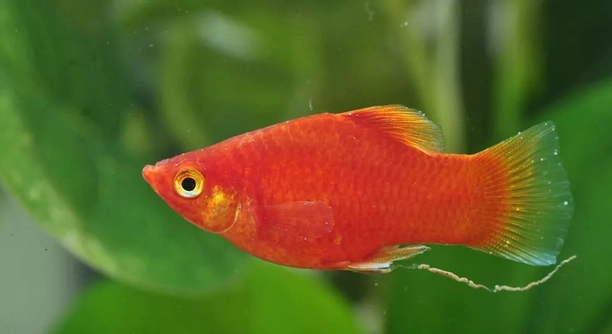
Do you have a platy that suddenly refuses to move? It can be worrying when your fish stays still for long periods. Understanding the reasons behind this behavior is important for your pet’s well-being.
A platy may stop moving due to stress, poor water quality, illness, or inappropriate tank conditions. These factors affect their health and comfort, leading to reduced activity or lethargy. Addressing these causes is essential for restoring normal behavior.
Knowing why your platy acts this way helps you care for it better. The following information will guide you to improve your fish’s environment and health.
Common Reasons Why Platys Refuse to Move
Platys may stop moving for several reasons, often related to their environment or health. Poor water quality is a leading cause. If ammonia, nitrite, or nitrate levels are too high, fish become stressed and inactive. Sudden changes in temperature or pH can also disrupt their comfort. Illnesses such as bacterial infections, parasites, or swim bladder issues reduce mobility. Overfeeding or a poor diet can lead to digestive problems, causing lethargy. Additionally, overcrowded tanks limit swimming space, making platys less active. Stress from aggressive tank mates can cause hiding and stillness. Finally, old age naturally slows fish down. Monitoring tank conditions and observing your platy’s behavior closely is key to identifying the issue early and preventing serious problems.
Regular water testing and maintaining stable conditions help keep your platy healthy and active. Checking for signs of illness ensures timely treatment and recovery.
Understanding these factors improves your fish’s quality of life and avoids common problems related to inactivity.
Water Quality and Tank Conditions
Water quality directly affects platy movement and overall health. Clean, stable water supports normal activity and reduces stress. Poor conditions lead to illness and lethargy. Consistent water changes and filtration keep the environment safe and comfortable for your fish. Temperature should stay between 70-80°F, and pH around 6.8-8.0. Testing water weekly helps catch issues before they worsen. Proper tank size with enough space encourages swimming. Avoid overcrowding by limiting the number of fish. Decorations and plants provide hiding spots but should not restrict movement. Good water quality combined with an appropriate setup is essential to keeping your platy active and healthy. A well-maintained tank allows your fish to thrive and display natural behaviors without unnecessary stress or discomfort.
Illness and Health Issues
Illnesses are a common reason platys become inactive. Infections, parasites, or swim bladder problems can limit their movement. Identifying symptoms early is important for treatment.
Common illnesses include fin rot, ich, and bacterial infections. Fin rot causes frayed fins and lethargy. Ich appears as white spots, while bacterial infections may cause swelling or sores. Swim bladder disorder affects buoyancy, making swimming difficult. Ill fish often isolate themselves or rest near the tank bottom. If you notice these signs, testing water quality and consulting a vet or fish specialist can help. Prompt treatment with medication and improving tank conditions can improve your platy’s health and activity level.
Keeping a clean tank and avoiding overcrowding reduces disease risk. Quarantining new fish before introducing them can prevent spreading infections. Regular observation helps catch health issues early, giving your platy a better chance to recover quickly and resume normal activity.
Stress and Behavior Changes
Stress is a major factor affecting platy activity. Causes include poor water conditions, aggressive tank mates, and sudden changes in the environment. Stress lowers immunity and causes hiding or stillness.
To reduce stress, maintain consistent water parameters and provide hiding spots like plants or decorations. Avoid overcrowding and incompatible fish species. Observe behavior changes closely; stressed fish may stop eating or stay motionless. Reducing noise and vibrations near the tank also helps. Stress management is essential to keep your platy healthy and active.
Creating a calm, stable environment supports your platy’s well-being. Adjusting tank setup and routine care can prevent stress-induced inactivity and promote a happier, more active fish.
Overfeeding and Diet
Overfeeding can make platys sluggish and inactive. Excess food causes digestive issues, leading to discomfort and lethargy. Feeding small amounts once or twice daily is best.
A balanced diet with quality flakes, pellets, and occasional live or frozen foods keeps platys healthy. Avoid overfeeding to prevent obesity and related health problems.
Tank Size and Space
Platys need enough swimming space to stay active. Small or overcrowded tanks restrict movement, causing stress and inactivity. A minimum of 10 gallons is recommended for a few platys.
Regularly check tank population and upgrade if necessary to ensure your fish have room to swim freely and behave naturally.
Temperature Fluctuations
Sudden changes in water temperature can shock platys, leading to stillness or hiding. Maintaining stable temperatures between 70-80°F supports normal activity and metabolism.
Use a reliable heater and thermometer to keep conditions steady, preventing stress-related inactivity and promoting fish health.
FAQ
Why is my platy staying at the bottom of the tank?
When a platy stays at the bottom, it often indicates stress, illness, or poor water conditions. It may be trying to conserve energy due to discomfort or swim bladder issues. Check water parameters and observe for signs of disease to address the problem quickly.
How do I know if my platy is sick?
Signs of illness include lethargy, loss of appetite, clamped fins, white spots, sores, or unusual swimming patterns. If your platy shows any of these, test the water and consider medication or quarantine to prevent spread to other fish.
Can temperature affect platy activity?
Yes, platys are tropical fish that thrive between 70-80°F. Temperatures below or above this range can slow their metabolism, causing reduced movement or hiding. Use a heater and thermometer to maintain stable conditions.
Is my tank size affecting my platy’s movement?
A tank that is too small or overcrowded limits space for swimming, causing stress and inactivity. Platys need at least 10 gallons for a small group. Ensure enough room to promote natural behavior and reduce competition.
What foods are best for keeping platys active?
A varied diet of quality flakes, pellets, and occasional live or frozen foods provides balanced nutrition. Avoid overfeeding, which leads to lethargy and digestive problems. Feed small amounts once or twice daily.
How often should I change the water for my platy?
Regular partial water changes—about 20-25% weekly—help maintain clean, healthy water. This prevents buildup of harmful toxins that stress fish and reduce their activity. Always use dechlorinated water at the right temperature.
Can tank mates cause my platy to stop moving?
Aggressive or territorial fish can stress platys, causing hiding or stillness. Choose peaceful tank mates and monitor interactions. Provide plenty of hiding spaces to reduce stress and encourage movement.
What should I do if my platy has swim bladder issues?
Swim bladder problems affect buoyancy, making it hard for platys to swim properly. Fasting for a day or two, then feeding peas (with skins removed) can help. If symptoms persist, consult a fish specialist for treatment.
Is it normal for older platys to move less?
Yes, as platys age, they may become less active. Reduced movement can be natural but still monitor health and environment to ensure comfort. Maintain good tank conditions to support their well-being.
How can I reduce stress for my platy?
Keep water quality stable, provide adequate space, choose compatible tank mates, and avoid sudden changes. Adding plants and decorations offers shelter. Minimizing noise and vibrations near the tank also helps keep platys calm and active.
Final Thoughts
When your platy refuses to move, it often signals an issue that needs attention. Common causes include poor water quality, illness, stress, or an unsuitable environment. Each of these factors affects your fish’s health and comfort. Maintaining a clean tank with stable water parameters is one of the most important steps you can take to support your platy’s activity and well-being. Regular water tests and partial water changes help prevent harmful toxins from building up. This creates a safer and more comfortable habitat for your fish.
Illness and stress are also significant reasons why platys might become inactive. Fish can show signs of sickness such as lethargy, loss of appetite, or unusual swimming behavior. Stress from aggressive tank mates, overcrowding, or sudden environmental changes can cause platys to hide or stay still. Providing adequate space, compatible tank mates, and plenty of hiding spots helps reduce stress. Observing your fish regularly allows you to detect any health or behavior changes early and respond appropriately. Taking action quickly often leads to better recovery and happier fish.
Feeding habits and tank conditions also influence platy movement. Overfeeding can cause digestive problems that make your fish sluggish. A balanced diet with moderate feeding supports their energy and health. Tank size matters, too; platys need room to swim freely. Small or crowded tanks can restrict movement and increase stress. Keeping a steady temperature within their preferred range is essential as well. Overall, paying close attention to these factors ensures your platy remains active and healthy. Careful observation and consistent maintenance are key to preventing inactivity and keeping your fish thriving.

Hello,
If you enjoy the content that we create, please consider saying a "Thank You!" by leaving a tip.
Every little bit helps us continue crafting quality advice that supports the health, happiness, and well-being of pets around the world, for pets of all shapes, sizes, and species.
We really appreciate the kindness and support that you show us!