
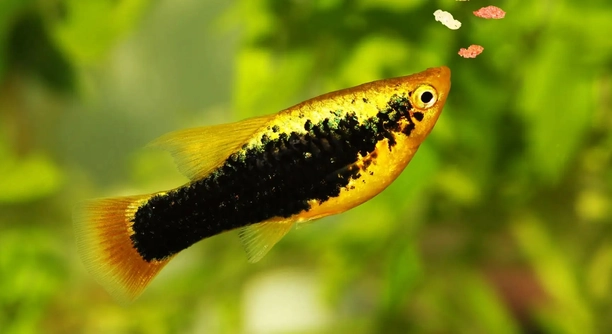
Platies are popular freshwater fish known for their vibrant colors and peaceful nature. Many keepers are interested in how these fish interact with their young, called fry. Understanding their behavior helps create a better environment for both adults and babies.
Research indicates that platies do not have long-term memory of their fry. They may recognize fry temporarily after birth, but this recognition fades quickly. Their behavior toward fry is mostly instinctual rather than based on memory retention.
Learning about how platies treat their fry can improve care and breeding success. This knowledge helps maintain harmony in home aquariums with adult fish and fry living together.
How Platies Care for Their Fry
Platies are livebearers, meaning they give birth to free-swimming young rather than laying eggs. After birth, adult platies generally show little parental care. Some platies may tolerate their fry nearby, but others can be aggressive or indifferent. This behavior is natural, as platies instinctively avoid competition for food and space. In the wild, fry often hide among plants or substrate to avoid being eaten. Providing plenty of hiding spots in an aquarium helps increase fry survival rates. A densely planted tank with floating plants or small decorations gives the young fish a chance to thrive. Many hobbyists separate fry from adults to protect them until they are large enough to avoid predation. Understanding platies’ natural behavior helps in creating a balanced aquarium environment that supports healthy growth for both adults and fry.
Platies do not actively care for their young after birth, so creating safe spaces is essential for fry survival.
Keeping the tank well-planted and providing separate fry tanks can reduce stress and improve the chances of fry reaching maturity. Adult platies focus on their own feeding and social behavior, not on protecting or nurturing fry. This approach supports natural growth patterns without forcing unnatural parental roles on the fish.
Memory and Recognition in Platies
Platies have limited memory when it comes to recognizing their fry. They may show brief recognition after birth but soon treat fry as unrelated fish. This lack of memory prevents long-term parental care.
Scientific studies suggest platies rely mostly on instinct rather than memory to guide their behavior toward fry. The adults’ reactions are often influenced by hunger and territorial instincts instead of any emotional attachment. Fry survival depends largely on environmental factors and availability of hiding places. In aquariums, separating fry soon after birth or providing plenty of cover is crucial to reduce losses from adult aggression or accidental predation. Knowing that platies do not remember their fry helps aquarists manage their tanks more effectively, balancing adult needs with fry safety. Proper tank setup and feeding routines support peaceful coexistence and healthy fry development.
Protecting Fry from Adult Platies
Adult platies may eat fry if they get the chance, so protection is key. Providing plenty of hiding spots reduces risk and stress for the young fish.
Using dense plants or small decorations in the tank creates safe spaces for fry to escape from adults. Some hobbyists use breeding boxes or separate fry tanks to ensure survival. Regular feeding of adult platies can also reduce their interest in hunting fry, as hunger often drives aggression. Monitoring behavior helps catch any signs of predation early. Balancing the tank environment supports peaceful coexistence.
Separating fry after birth until they grow larger is the most effective way to keep them safe. When returned to the main tank, fry should be big enough to avoid being mistaken for food. Patience and care in this process improve survival rates and overall fish health.
Factors Influencing Fry Survival
Fry survival depends on more than just adult behavior. Water quality, nutrition, and tank setup all play critical roles.
Stable water conditions reduce stress and support healthy development. Frequent water changes and proper filtration are essential. Fry require specialized food such as infusoria, baby brine shrimp, or finely crushed flakes to meet their nutritional needs. Tank temperature also affects growth rates; keeping it within an ideal range helps fry thrive. Crowding can increase aggression and competition for food, so maintaining appropriate stocking levels is important. Combining good tank maintenance with thoughtful feeding routines improves fry survival and growth. Taking these steps helps ensure your platy fry develop into healthy adult fish.
Signs of Fry Stress
Fry under stress may hide constantly or show sluggish swimming. These signs indicate they need better protection or tank conditions.
Stress can also cause fry to refuse food or develop diseases more easily. Early detection helps prevent losses and promotes healthy growth.
Managing Adult Platy Behavior
Adult platies can be territorial and sometimes aggressive toward fry or each other. Keeping enough space and hiding spots reduces conflicts. Regular feeding prevents adults from hunting fry out of hunger. Observing the fish regularly helps identify problems early and allows quick adjustments to the tank environment.
Ideal Tank Setup for Fry
A tank with dense plants, smooth gravel, and gentle filtration creates a safe space for fry. Floating plants offer shade and additional cover, which helps reduce stress and improve survival rates.
Feeding Fry Properly
Feeding fry small, frequent meals of specialized food supports their growth and development. Avoid overfeeding to maintain water quality and keep the tank clean.
FAQ
Do platies eat their fry?
Yes, adult platies sometimes eat their fry. This behavior is natural and driven by instinct rather than memory or malice. Fry are seen as competition or simply as food when adults are hungry. Providing hiding spots and feeding adults well can reduce this behavior significantly.
How can I prevent adult platies from eating their fry?
To prevent this, create plenty of hiding places with plants and decorations. Feeding adults regularly lowers their hunting drive. Using breeding boxes or separate tanks for fry until they grow larger also helps keep them safe from adult aggression.
Do platies recognize their own fry?
Platies have limited recognition of their fry and do not form long-term bonds. They might show brief awareness right after birth but quickly treat fry like any other small fish. Their behavior is mainly instinctual, not based on memory or attachment.
How long do platies remember their fry?
Research shows that platies do not have lasting memory of their fry. Recognition, if it occurs, lasts only a short time after birth. After that, adults behave toward fry without distinction, which explains why parental care is minimal or absent.
What are the best conditions for raising platy fry?
Stable water quality with regular changes and good filtration is essential. Temperature should be steady and within the recommended range for platies, usually between 72°F and 78°F. Provide fine food suitable for fry, such as baby brine shrimp or crushed flakes, to support growth.
Is it necessary to separate fry from adults?
Separating fry is recommended to improve survival rates. Adults may eat fry or outcompete them for food. Using breeding traps or dedicated fry tanks ensures fry can grow without stress or risk of predation. Once they are larger and stronger, fry can be safely introduced back into the main tank.
How often should platy fry be fed?
Fry need small, frequent meals throughout the day. Feeding 3 to 4 times daily with appropriate food helps them grow quickly. Overfeeding should be avoided to prevent water quality issues, which can harm fry health.
Can fry survive in a community tank?
Fry survival in community tanks is often low without proper precautions. Other fish, including adult platies, may prey on them. Providing ample cover and hiding spots helps, but separate rearing is usually more successful for raising large numbers of fry.
Do platies show any parental behavior?
Platies do not show parental care like some other fish species. They do not guard or feed their young. Their instinct is to avoid or ignore fry after birth, focusing on their own survival and social behavior.
What are common signs of unhealthy fry?
Unhealthy fry may swim erratically, lose appetite, or hide excessively. Physical signs like faded color, bloating, or fin damage also indicate problems. Maintaining water quality and proper feeding routines helps prevent these issues.
How long does it take for platy fry to mature?
Platy fry typically reach maturity in about 3 to 4 months. Growth rates depend on water quality, food availability, and temperature. Providing optimal conditions accelerates development and prepares fry for adult life.
Are there any special tank setups for breeding platies?
A breeding tank should have soft plants and smooth decorations to protect fry. Gentle filtration and stable water parameters are important. Some breeders use separate breeding traps to isolate pregnant females and protect newborn fry immediately after birth.
What should I do if adults become aggressive toward fry?
If aggression is observed, increase hiding places and consider removing fry to a separate tank. Feeding adults well reduces hunger-driven aggression. Adjusting tank stocking levels can also improve behavior and reduce stress for all fish.
Can platies recognize their owners?
Platies can recognize feeding routines and familiar movements but do not bond emotionally like some pets. They may swim toward the tank front during feeding time, showing recognition of routine rather than individual humans.
How many fry can one platy produce at once?
A single female platy can give birth to 20 to 50 fry in one batch. The number varies with age, health, and environmental conditions. High fry counts mean extra care is needed to ensure their safety and proper growth.
Is there a way to increase fry survival naturally?
Providing a well-planted tank with floating and rooted plants is the best natural method to improve fry survival. These plants offer hiding spots and reduce stress. Consistent water maintenance and proper feeding complete the care needed for healthy fry growth.
Platies are popular aquarium fish known for their bright colors and peaceful nature. When it comes to their fry, adult platies do not show long-term memory or parental care. This is normal behavior for these fish. They may briefly recognize their young right after birth, but this recognition fades quickly. Adult platies mostly focus on their own needs rather than protecting or nurturing their fry. Understanding this helps aquarium keepers provide the best care for both adults and fry.
Because adult platies do not care for their fry, it is important to create a safe environment for the young fish. Providing plenty of plants, hiding spots, and decorations gives fry places to hide and grow without danger. Separating fry from adults or using breeding boxes can also improve their chances of survival. Feeding adults regularly helps reduce their interest in hunting fry. Good water quality and proper nutrition for fry are equally important to support healthy growth and development. Taking these steps leads to a balanced and healthy aquarium where both adults and fry can thrive.
Overall, knowing that platies do not remember or care for their fry encourages better tank management. Instead of expecting adults to protect the young, aquarium keepers should focus on providing a safe space and good care. Paying attention to tank setup, water conditions, and feeding routines improves fry survival and supports healthy adult fish. This approach allows platies to live naturally while giving their fry the best chance to grow into healthy adults. Understanding their behavior helps create a successful and peaceful home aquarium.

Hello,
If you enjoy the content that we create, please consider saying a "Thank You!" by leaving a tip.
Every little bit helps us continue crafting quality advice that supports the health, happiness, and well-being of pets around the world, for pets of all shapes, sizes, and species.
We really appreciate the kindness and support that you show us!