
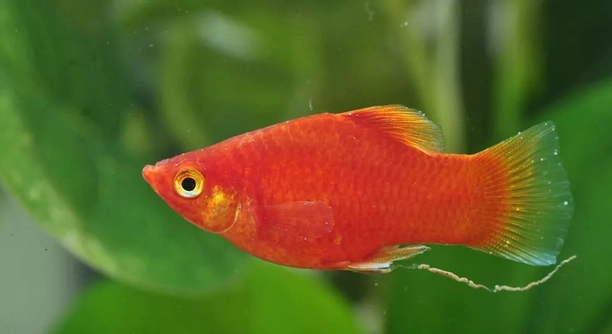
Have you ever noticed your platy fish resting on leaves and wondered if it’s something to worry about or completely normal?
Platies rest on leaves to conserve energy, feel secure, and sometimes sleep. These spots offer shelter from tank currents and provide comfort. Leaf resting behavior is common and usually not a sign of illness when other signs of health are present.
This peaceful habit has more to it than meets the eye, especially when it comes to understanding your platy’s behavior and well-being.
Common Reasons Why Platies Rest on Leaves
Platies often rest on leaves for comfort, energy conservation, and stress relief. Aquarium leaves mimic natural hiding spots, giving platies a secure area to pause during the day. In a calm tank environment, platies may stop swimming and gently rest on a leaf without showing signs of distress. This behavior is often seen early in the morning or late in the day when the lighting is dim. They may also rest more after eating or during nighttime hours. As long as their color remains bright, fins are not clamped, and they respond to movement, this leaf-resting behavior is typically safe and normal. Fish tanks with live or artificial plants support this instinct by giving platies the option to rest while feeling shielded.
Some platies prefer broad leaves where they can stay partly hidden. It’s a simple behavior linked to comfort and security in their tank environment.
Keep an eye on any sudden changes in movement or resting duration. These signs may suggest something beyond normal resting.
Signs That Indicate a Problem
If your platy is resting too often or seems less responsive, it could be a sign of stress or poor tank conditions.
Excessive leaf resting, especially if combined with lack of appetite, labored breathing, or fading colors, might point to an issue. Poor water quality, overcrowding, or the presence of aggressive tank mates can trigger this shift in behavior. Check your tank’s temperature, ammonia levels, and filtration system. Cold water can slow their metabolism, leading to sluggish behavior. Likewise, high ammonia or nitrite levels can make it harder for platies to breathe, resulting in them staying still more often. Sometimes illness, like internal parasites or fin rot, may cause weakness or discomfort, making the fish seek a still and hidden place to rest. Watch for other symptoms like clamped fins, red streaks, or bloating. If these show up, isolating the fish and seeking treatment may help prevent the problem from worsening. Regular tank checks make a big difference.
How Tank Conditions Affect Resting Behavior
Poor water quality and unstable temperatures often lead to increased resting. Platies may slow down or hide more often when ammonia levels rise or when the tank gets too cold or too hot.
Keep your tank water between 72°F and 78°F, with steady filtration and regular testing. If the temperature drops too low, platies can become sluggish. A high level of waste, such as uneaten food or fish droppings, can raise ammonia and nitrite levels, leading to stress. Change 25% of the water weekly and vacuum the gravel to remove debris. A stable environment makes your platies feel secure and active. Avoid overfeeding, as it contributes to poor water quality. Watch how they behave after changes like a water change or a new tank mate. Small things can upset the balance and affect their behavior.
Plants also help by lowering stress and absorbing some waste. Healthy tanks support healthy habits.
When to Be Concerned About Stillness
A resting platy that stays in one spot for long periods and doesn’t react to food or movement may be unwell. Other signs, like loss of color or rapid breathing, should not be ignored.
Check for clamped fins, white spots, or any signs of bloating. These can signal common illnesses such as ich, swim bladder problems, or internal parasites. Resting behavior alone is not always a problem, but when paired with other signs, it’s worth acting quickly. Quarantine the affected fish to prevent the spread of disease. Ensure water parameters are stable and clean. If symptoms continue, consider seeking advice from an aquatic vet or using a suitable treatment. Keep an eye on how the rest of the tank behaves too. Often, early signs appear in one fish before affecting others. Observation and routine care help prevent minor changes from turning into serious health concerns.
Natural Behavior vs. Warning Sign
Platies often rest briefly on leaves as part of their daily rhythm. They may do this after feeding, when lighting is low, or when they feel secure. This is usually nothing to worry about.
If your platy starts hiding more than usual or ignores food, take a closer look. Changes like this can suggest stress or illness.
How to Encourage Healthy Activity
Create a calm, well-balanced tank by keeping the water clean and the temperature stable. Avoid overcrowding, as it leads to stress. Include plants and hiding spaces to make your platies feel safe, which supports natural movement. Offer a variety of food, such as flakes, frozen brine shrimp, and blanched vegetables. Feeding small amounts once or twice a day keeps them active without polluting the tank. Monitor their behavior each day. Small changes can help catch problems early. Healthy platies swim often, respond to movement, and eat well. A peaceful tank setup encourages them to stay active while also giving them space to rest when needed.
Resting Habits in Community Tanks
In a tank with other fish, platies may rest more if they feel threatened or overcrowded. Make sure there is enough space and hiding areas for every fish.
FAQ
Is it normal for platies to sit still during the day?
Yes, it’s normal. Platies often sit still for short periods, especially after eating or when lighting is low. This helps them conserve energy. If the fish perks up when you approach or shows interest in food, it’s usually not a concern. Some platies are simply more relaxed than others.
Why does my platy rest on the same leaf all the time?
Platies sometimes pick a favorite resting spot. They may choose one leaf that feels sheltered and peaceful, especially if it’s broad or shaded. This behavior is harmless unless it’s paired with signs of illness like dull color, lack of appetite, or labored breathing. Otherwise, it’s just a sign of comfort.
Should I be worried if my platy stays near the bottom?
If your platy is lying near the bottom for long periods, check the water quality and temperature. Healthy platies may rest briefly on the bottom, but long stretches of stillness can signal stress, cold water, or sickness. Look for signs like clamped fins, loss of color, or gasping near the surface.
Do platies sleep on leaves at night?
Yes, platies do sleep, and they often rest on leaves, tank decorations, or near the bottom. Their activity drops, and they may appear still. Keep lighting consistent and dim during the night to support their sleep cycle. This natural rest should not be confused with illness unless other symptoms are present.
Can poor lighting cause platies to act tired or rest more?
Yes, lighting affects their behavior. Dim lighting can make platies feel calmer, while harsh or inconsistent lighting can stress them. A regular light cycle—around 8 to 10 hours a day—helps regulate activity. Too much light can overwhelm them, while too little can make them appear inactive or withdrawn.
What kind of plants do platies prefer for resting?
Platies enjoy broad-leaved plants like Anubias, Java Fern, and Amazon Swords. These plants offer flat, comfortable surfaces to rest on. Live plants also help improve water quality and reduce stress by giving platies hiding spots. Artificial plants work too, as long as they are soft and safe for fins.
How can I tell the difference between normal resting and illness?
Normal resting is brief, and the fish remains alert when approached or when food is added. Illness often comes with other signs—loss of color, not eating, strange swimming, or staying still for hours. Monitor your fish closely and test water quality if resting becomes more frequent or prolonged.
Do platies rest more when they are older?
Yes, older platies tend to slow down. It’s normal for them to rest more often or for longer periods. As long as they are eating, swimming occasionally, and not showing signs of disease, this slower pace is usually part of aging. Provide gentle tank conditions to keep them comfortable.
Can platies become lazy in smaller tanks?
A small tank can lead to less movement, especially if the space is crowded or lacks stimulation. While platies can live in smaller tanks, make sure there is enough space to swim and explore. Add plants, hiding areas, and gentle currents to keep them active and prevent boredom.
What role does diet play in resting behavior?
A balanced diet keeps platies energetic. Poor nutrition can lead to sluggish behavior and more resting. Feed a variety of flakes, pellets, and occasional protein-rich foods like brine shrimp. Avoid overfeeding, as it affects water quality and can make fish inactive. Consistent feeding supports a healthy routine and active habits.
Final Thoughts
Platies are peaceful, active fish that sometimes enjoy resting on leaves. This simple behavior is usually normal and safe, especially if the fish looks healthy and swims around at other times. Resting gives them a break, helps them feel secure, and is part of their natural habits. Many platies choose specific spots in the tank where they feel the most comfortable. These areas are often wide leaves, corners, or decorations with less current. If your platy is eating well, swimming normally, and reacting to movement, then resting is nothing to worry about.
However, it’s important to pay attention to changes. If your platy starts resting more than usual or appears tired most of the day, it might be a sign that something is wrong. Water conditions are often the cause. Unstable temperature, poor filtration, or high ammonia levels can affect your fish’s behavior. In some cases, sickness may also be the reason. Look for symptoms like clamped fins, faded color, or labored breathing. These signs may point to stress or illness. Checking the tank regularly and cleaning it often will help reduce these problems and keep your fish healthy and active.
A peaceful and well-maintained tank supports normal resting habits while encouraging movement and social behavior. Give your platies enough space, add soft plants for hiding, and keep the lighting gentle. Offer a healthy, varied diet and avoid overcrowding the tank. Resting on leaves should not be seen as a bad sign unless it becomes excessive or is paired with other symptoms. Most of the time, it’s simply a sign that your platy feels calm and at ease in its environment. By watching their habits and making small improvements when needed, you can support a safe space where platies can swim, eat, rest, and stay healthy.

Hello,
If you enjoy the content that we create, please consider saying a "Thank You!" by leaving a tip.
Every little bit helps us continue crafting quality advice that supports the health, happiness, and well-being of pets around the world, for pets of all shapes, sizes, and species.
We really appreciate the kindness and support that you show us!