
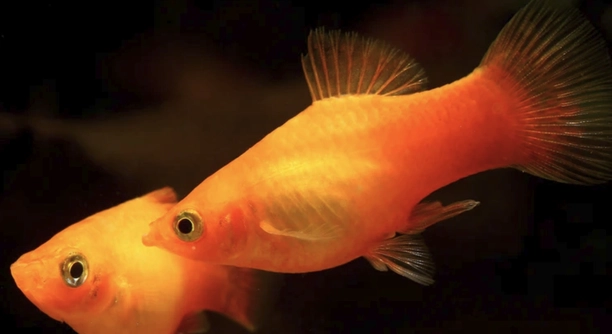
Platies are popular freshwater fish kept by many hobbyists. They are known for their bright colors and peaceful nature. However, platies can experience stress without obvious signs, affecting their health and behavior over time.
Several hidden factors cause stress in platies, including poor water quality, overcrowding, inappropriate diet, sudden changes in environment, lack of hiding spots, incompatible tank mates, and improper lighting. These stressors can weaken their immune system and reduce their lifespan.
Recognizing these stressors helps maintain a healthy tank and keeps your platies comfortable. This article highlights common causes to watch for and improve your fish’s environment.
Poor Water Quality
Maintaining clean water is essential for platies’ well-being. Dirty or polluted water causes stress by affecting their breathing and skin health. Ammonia, nitrites, and nitrates build up when tanks are not cleaned regularly or filters are insufficient. Sudden changes in water temperature or pH can also disturb platies, making them more vulnerable to illness. It is important to test the water frequently and perform partial water changes to keep the environment stable. Avoid overcrowding, which increases waste and reduces oxygen levels. Using a reliable filter and monitoring water parameters like pH (around 7.0 to 8.0) and temperature (between 72°F and 78°F) ensures a healthy tank. Proper care reduces the stress platies experience and helps them thrive in captivity.
Regular water tests and weekly partial water changes prevent dangerous conditions and keep platies healthy and calm.
Keeping water clean requires consistent effort but pays off by lowering disease risk. A stable environment reduces stress and helps your platies show their natural colors and behaviors. Choose a filter that fits the tank size and replace filter media as needed. If the tank smells bad or looks cloudy, it is a sign to clean it immediately. Avoid using soaps or chemicals that can harm fish. Using a water conditioner when adding new water removes harmful chlorine and chloramines. Regular maintenance is the best way to ensure your platies remain stress-free and enjoy a longer, healthier life.
Overcrowding
Too many platies in one tank create stress and competition for resources. Overcrowding leads to poor water quality and aggressive behavior. It limits swimming space and hides spots, making fish feel unsafe and anxious. Keeping the right number of fish per gallon of water is important to avoid these problems. A general guideline is one inch of fish per gallon. Overcrowded tanks cause platies to become stressed, which weakens their immune system and increases disease chances. Monitoring tank population helps maintain peace and balance, providing your platies with a comfortable home.
Inappropriate Diet
Feeding platies the wrong food causes stress and health problems. They need a balanced diet rich in nutrients.
A diet lacking variety or proper nutrients weakens platies and lowers their energy levels. Overfeeding can pollute the water, causing further stress. Feeding only flakes or dry food limits essential vitamins and minerals. Including live or frozen foods like brine shrimp and bloodworms improves their health. Vegetables like blanched spinach or zucchini add fiber and variety. Regular feeding with the right portion size helps maintain a healthy digestive system and vibrant colors. Avoid sudden diet changes, as they can upset platies’ stomachs and cause stress.
Providing a varied and balanced diet supports platies’ immune systems and promotes active behavior. Clean feeding areas regularly to prevent leftover food from decomposing. Feeding small amounts two to three times daily meets their nutritional needs without overloading the tank. Watch for signs of poor nutrition, such as faded color or slow movement, and adjust the diet as needed to keep platies healthy and comfortable.
Sudden Environmental Changes
Platies react poorly to quick changes in their surroundings, which can increase stress levels. Stability is key to their well-being.
Rapid shifts in water temperature, lighting, or tank decorations cause confusion and anxiety. Moving platies to a new tank without proper acclimation shocks their system. Sudden noise or vibrations near the aquarium also disturb them. Gradual changes give platies time to adjust, reducing stress. Introducing new fish slowly and monitoring water conditions ensures a calm environment. Maintaining a consistent daily routine, including lighting schedules, helps platies feel secure. Creating a stable habitat is essential for healthy, happy fish and prevents unnecessary stress reactions.
Lack of Hiding Spots
Platies need places to hide to feel safe. Without hiding spots, they become stressed and nervous.
Providing plants, caves, or decorations helps platies reduce stress. These shelters give them a sense of security and reduce aggression from other fish.
Incompatible Tank Mates
Some fish are not suitable tank mates for platies. Aggressive or territorial species cause stress and harm.
Platies thrive best with peaceful community fish. Mixing incompatible species leads to chasing, fin nipping, and constant fear. Choose compatible companions to maintain harmony and keep stress levels low.
Improper Lighting
Too much or too little light stresses platies. Bright or constant lighting disrupts their natural rhythms.
Balanced lighting that mimics their natural environment helps platies stay calm and active. Adjust light duration and intensity according to their needs for a healthy tank.
How can I tell if my platies are stressed?
Stressed platies often show changes in behavior and appearance. They may hide more than usual, swim erratically, or stay near the surface or bottom of the tank. Fading colors, loss of appetite, and rapid gill movement are also signs of stress. Watching your fish closely helps catch problems early.
What is the best way to keep water quality stable?
Regular water testing and partial water changes are essential. Use a good filter suitable for your tank size and clean or replace filter media regularly. Avoid overfeeding, which can pollute the water. Maintain proper temperature and pH levels consistently to reduce stress on your platies.
How many platies should I keep in one tank?
A general rule is one inch of fish per gallon of water. For adult platies, this usually means around 6-8 fish in a 20-gallon tank. Overcrowding causes stress, poor water quality, and aggression. Providing enough space keeps platies healthy and peaceful.
What types of food are best for platies?
Platies thrive on a balanced diet including high-quality flakes or pellets, supplemented with live or frozen foods like brine shrimp and bloodworms. Adding vegetables like spinach or zucchini adds fiber and variety. Feed small amounts two to three times a day, avoiding overfeeding.
How do I introduce new fish without stressing my platies?
Acclimate new fish slowly by floating their bag in the tank for 20-30 minutes to match temperature. Gradually add tank water to the bag over an hour before releasing them. This reduces shock and stress from sudden environmental changes. Observe new fish closely for aggression.
Can I use artificial plants as hiding spots?
Yes, artificial plants provide good hiding places and require less maintenance than live plants. However, make sure they are soft and free of sharp edges to avoid injuring your platies. Combine artificial and live plants for a natural feel and better water quality.
How long should aquarium lights stay on each day?
Platies benefit from about 8 to 10 hours of light daily. Too much light causes stress and algae growth, while too little can affect their natural behaviors. Using a timer ensures a consistent light cycle, helping fish maintain a healthy routine.
Is it normal for platies to fight?
Mild chasing is normal but constant aggression is a problem. Fighting usually happens due to overcrowding, lack of hiding spots, or incompatible tank mates. If fighting occurs frequently, check tank conditions and separate aggressive fish if needed to reduce stress.
What should I do if my platies show signs of illness?
Quarantine sick fish immediately to prevent spreading disease. Test water quality and improve tank conditions. Consult a vet or aquarium expert for proper treatment based on symptoms. Early care improves chances of recovery and reduces stress for healthy fish.
Can temperature changes stress platies?
Yes, sudden or extreme temperature shifts can cause stress and weaken immune systems. Keep water temperature stable between 72°F and 78°F using a reliable heater and thermometer. Avoid placing the tank near drafts or heat sources to prevent fluctuations.
How often should I clean my tank?
Partial water changes of 20-30% weekly are recommended. Remove uneaten food and waste regularly to prevent pollution. Clean the tank glass and decorations monthly. Avoid full cleanings that disturb beneficial bacteria, which help maintain a healthy environment for your platies.
Are noisy environments bad for platies?
Yes, loud noises and vibrations stress platies and can cause erratic swimming or hiding. Place the tank in a quiet area away from heavy foot traffic, speakers, or appliances. A calm environment helps fish stay relaxed and healthy.
What lighting colors are best for platies?
Natural white or daylight-spectrum lights best mimic their natural environment. Avoid overly bright or colored lights that may stress platies. Balanced lighting supports their behavior, color vibrancy, and overall health.
How important is tank decoration for reducing stress?
Decorations create hiding spots and break up open spaces, making platies feel secure. Using plants, caves, and rocks helps reduce aggression and anxiety. Avoid overcrowding decorations, which can limit swimming space and create debris buildup.
Is it necessary to have a quarantine tank?
Having a separate quarantine tank is highly recommended for new or sick fish. It prevents the spread of disease and allows close observation. Quarantine tanks reduce stress on your main tank inhabitants and improve overall health management.
Taking care of platies involves more than just feeding and adding water. Paying attention to their environment and daily needs helps reduce stress, which is important for their health. Stress weakens their immune system and can lead to illness or even shorten their lifespan. By understanding what causes stress and making simple changes, you can provide a comfortable home where platies can live happily and actively.
Many common stress factors are easy to fix with regular maintenance and observation. Keeping the water clean and stable is one of the most important steps. Testing water parameters often and performing partial water changes keep harmful chemicals like ammonia and nitrites low. Avoid overcrowding by keeping the right number of fish for your tank size. Providing hiding spots with plants and decorations gives platies places to feel safe, reducing anxiety. Also, feeding a balanced diet with variety supports their immune system and helps them stay strong.
Small changes in lighting and avoiding sudden environmental shifts can make a big difference too. Consistent lighting that mimics natural day and night cycles keeps platies calm. When introducing new fish or changing tank conditions, doing it slowly allows them to adjust without stress. Choosing peaceful tank mates and giving platies enough space will prevent fights and aggressive behavior. These simple steps work together to create a stable and healthy environment where your platies can thrive. Taking time to care for these details ensures you enjoy watching bright, active fish for a long time.

Hello,
If you enjoy the content that we create, please consider saying a "Thank You!" by leaving a tip.
Every little bit helps us continue crafting quality advice that supports the health, happiness, and well-being of pets around the world, for pets of all shapes, sizes, and species.
We really appreciate the kindness and support that you show us!