
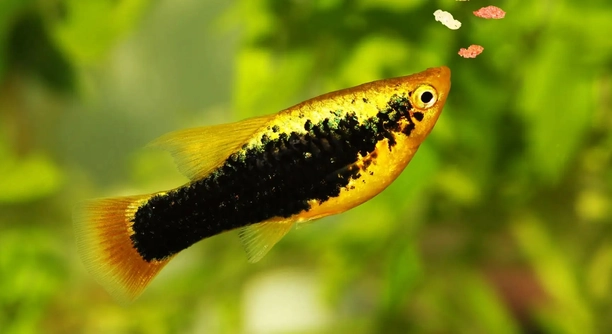
Many fishkeepers enjoy adding platies to their aquariums because of their vibrant colors and lively behavior. There are two common types: wild platies and fancy platies. Both types bring unique qualities to a home tank environment.
Wild platies and fancy platies can be mixed in the same aquarium, but careful consideration is needed. Differences in behavior, genetics, and appearance may affect breeding and compatibility. Proper tank conditions and monitoring can help maintain harmony between the two types.
Mixing these platies involves more than just placing them together. Understanding their needs and traits will improve your experience with both fish varieties.
Differences Between Wild and Fancy Platies
Wild platies are the original form of the species, often found in natural habitats with muted colors and simpler patterns. They tend to be hardier and more adaptable to varying water conditions. Fancy platies, on the other hand, have been selectively bred for vibrant colors and unique patterns. These fish usually have brighter scales and a wider range of color combinations. Behaviorally, wild platies may be more cautious and less social compared to the outgoing and often more active fancy varieties. When keeping them together, it’s important to recognize these differences to avoid stress and aggression. Both types require similar water parameters but can respond differently to changes in the tank environment.
Compatibility depends on how well these differences are managed. Wild platies might outcompete fancy ones for food due to their hardiness. Providing plenty of hiding spots and a well-planned feeding routine helps balance their interactions.
Considering these traits will help maintain peace in your aquarium and keep both types healthy.
Breeding Considerations
Breeding mixed platies can result in offspring with unpredictable traits.
When wild and fancy platies breed, the fry may show a blend of colors and patterns or revert to simpler, natural looks. This genetic mixing can dilute the unique qualities of fancy platies, which is a concern for those wanting to maintain specific traits. However, if breeding is not the primary goal, mixing them will not cause major issues. It is also important to separate males and females properly to avoid overcrowding and stress. Managing breeding carefully ensures a healthier tank environment and avoids unexpected population increases.
Tank Setup for Mixed Platies
A tank for mixed platies needs enough space and hiding places to reduce stress. Aim for at least 20 gallons to accommodate both types comfortably.
Providing plants, rocks, and decorations creates natural shelters. These help shy wild platies feel safe and give fancy ones places to explore. Good water quality is essential, with stable temperature around 72–78°F and a pH near 7.0. Frequent water changes keep the environment healthy. Avoid overcrowding, as this can cause aggression and poor health. Feeding a varied diet will also support their different needs and keep them active.
With the right environment, both wild and fancy platies can thrive together peacefully in the same tank.
Feeding Mixed Platies
Platies are omnivores that need a balanced diet including flakes, pellets, and live or frozen foods.
Wild platies may prefer more natural food like algae and small insects, while fancy platies often do well with high-quality prepared foods. To keep both types healthy, provide a mix of plant-based and protein-rich options. Feed small amounts several times a day to prevent overeating and maintain water quality. Observing their feeding habits will help adjust portions as needed. Good nutrition supports their colors and overall health, making them more resilient and lively in the tank.
Behavior and Compatibility
Wild platies tend to be more cautious and less aggressive than fancy platies. This difference can influence how they interact in the same tank.
Fancy platies are usually more active and social, which may sometimes overwhelm the shyer wild types. Watching their behavior helps prevent conflicts.
Health Concerns in Mixed Tanks
Mixed tanks can increase the risk of disease if proper care isn’t taken. Different platies may carry unique parasites or bacteria.
Regular water testing and quarantine for new fish reduce these risks. Keeping a clean environment supports the health of both wild and fancy platies.
Water Conditions
Platies thrive in stable freshwater with temperatures between 72 and 78°F.
Maintaining consistent pH and regular water changes is key to keeping both types healthy and happy.
FAQ
Can wild and fancy platies live peacefully together?
Yes, wild and fancy platies can coexist peacefully if the tank is well-maintained. Providing enough space, hiding spots, and proper food helps reduce stress and aggression. Monitoring their behavior regularly will help catch any issues early and keep the environment calm.
Will wild platies breed with fancy platies?
They can breed, but the offspring may not have the desired colors or patterns of fancy platies. Breeding mixed types leads to a mix of traits, often less vibrant. If maintaining specific fancy traits is important, it’s best to keep the two types separate for breeding purposes.
What tank size is best for mixed platies?
A minimum of 20 gallons is recommended. This size gives enough room for both wild and fancy platies to swim comfortably and find their own space. Larger tanks are even better, especially if you plan to keep multiple fish or add other species.
How often should I feed mixed platies?
Feed small amounts two to three times a day. Offering varied food like flakes, pellets, and occasional live or frozen foods ensures balanced nutrition. Avoid overfeeding, as leftover food can harm water quality and fish health.
Are there any special water requirements for mixing these platies?
Platies prefer stable freshwater with temperatures between 72°F and 78°F and a neutral pH around 7. Regular water changes and good filtration are essential to maintain healthy water conditions for both types.
What signs show that wild and fancy platies are stressed?
Signs include hiding excessively, loss of appetite, erratic swimming, or visible injuries. Stress can come from overcrowding, poor water quality, or bullying by other fish. Addressing these problems early helps prevent illness.
Can mixing wild and fancy platies cause health problems?
Mixing itself isn’t a direct cause of illness, but it can increase risks if one type carries diseases or parasites. Quarantining new fish and maintaining clean water are the best defenses against health issues.
How can I prevent aggression in a mixed platy tank?
Providing hiding spots and plants helps reduce aggression by giving fish places to retreat. Avoid overcrowding and keep a balanced ratio of males to females. Sometimes separating aggressive fish is necessary.
Will mixing affect the lifespan of platies?
With proper care, mixing wild and fancy platies does not negatively affect their lifespan. Both types generally live two to three years. Stress, poor water quality, or disease are more likely to shorten their lives.
Is it better to keep only one type of platy?
If you want to breed or maintain specific colors, keeping one type is better. For a varied and colorful tank without breeding goals, mixing is fine. The key is good tank management to support both types.
Mixing wild platies with fancy platies in the same aquarium is possible and can create a lively, colorful tank. Both types have their own strengths—wild platies are hardier and more natural-looking, while fancy platies offer bright colors and interesting patterns. When kept together, they add variety to the aquarium, making it more enjoyable to watch. However, it’s important to understand their different needs and behaviors to keep them healthy and happy. This means providing enough space, good water quality, and a balanced diet. Careful observation is needed to ensure that neither type becomes stressed or aggressive.
Breeding is a key point to consider when mixing wild and fancy platies. If breeding is not a goal, mixing them is less of an issue. But if you want to keep the fancy platy traits pure, it’s better to keep them separate. Offspring from mixed breeding can show unpredictable colors and patterns, sometimes losing the qualities that make fancy platies special. Additionally, managing population growth is important to avoid overcrowding and maintain good water conditions. Using separate tanks or isolating males and females can help control breeding and protect the health of the fish.
Overall, mixing wild and fancy platies requires some extra care but is quite manageable. Paying attention to tank setup, feeding routines, and water quality will go a long way in supporting both types. Providing hiding spots and maintaining peaceful conditions reduces stress and helps fish thrive. With the right approach, you can enjoy the benefits of both wild and fancy platies together, creating an interesting and balanced aquarium environment. Keeping things simple and consistent is key to success when mixing these fish.

Hello,
If you enjoy the content that we create, please consider saying a "Thank You!" by leaving a tip.
Every little bit helps us continue crafting quality advice that supports the health, happiness, and well-being of pets around the world, for pets of all shapes, sizes, and species.
We really appreciate the kindness and support that you show us!