
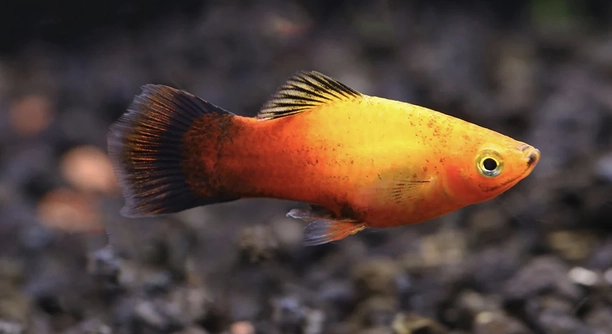
Do you enjoy keeping platies in your aquarium but wonder about their social needs? Many fish owners want to know if platies thrive better alone or with companions. Understanding their behavior can help create a happier tank environment.
Platies are social fish that benefit from having tank mates. They naturally live in groups and show more active, healthy behaviors when kept with others of their kind or compatible species. Solitary platies may become stressed or less lively over time.
Knowing how to choose the right companions and set up their habitat can improve your platies’ well-being. This article will explain the basics to help you make the best choices for your aquarium.
Social Behavior of Platies
Platies are naturally social fish that prefer to live in groups. In the wild, they swim together in small schools, which helps them feel safe and reduces stress. When kept alone, platies can become shy and less active, showing signs of boredom or even anxiety. Having tank mates encourages them to explore their environment and display natural behaviors like chasing each other and foraging for food. They are peaceful fish that usually get along well with other non-aggressive species. However, it is important to avoid overcrowding, as too many fish can lead to stress and poor water quality. Providing enough space and hiding spots will help platies feel comfortable and secure. Overall, keeping platies in groups is a key part of maintaining their health and happiness in a home aquarium.
Platies generally do best with at least three or more companions.
Choosing compatible species is important to avoid aggression or stress.
Selecting Tank Mates for Platies
Choosing the right tank mates means picking fish that share similar temperaments and environmental needs. Platies are peaceful and prefer water temperatures between 70 and 78 degrees Fahrenheit, so their companions should be comfortable in the same range. Good tank mates include small tetras, mollies, guppies, and peaceful bottom dwellers like corydoras catfish. Avoid large, aggressive, or territorial fish, as they may bully or harm platies. It’s also helpful to introduce new fish slowly and monitor their interactions for any signs of stress or aggression. When the fish get along, the tank will be lively and balanced, making maintenance easier. A well-chosen community creates a pleasant space where all fish can thrive without competition or fear. This careful selection supports the social nature of platies and helps keep them active and healthy.
Tank Setup for Platies and Their Companions
A proper tank setup helps platies and their tank mates feel secure. Use plants, rocks, and decorations to create hiding spots. This reduces stress and encourages natural behavior. A minimum tank size of 20 gallons is recommended for a small group to provide enough space for swimming.
Good water quality is essential. Keep the water clean with regular changes and a reliable filter. Maintain stable temperature and pH levels suited for platies and their companions. Proper lighting supports plant growth and mimics a natural environment, which benefits all fish.
Make sure to provide a balanced diet suitable for all species in the tank. Most community fish enjoy flakes, pellets, and occasional live or frozen foods. Feeding small amounts several times a day prevents overeating and keeps water quality stable.
Signs of Stress in Platies
Stress in platies can show through changes in behavior or appearance. Look for hiding more than usual, loss of appetite, or dull coloration. These signs indicate the fish may be uncomfortable with tank conditions or companions.
Poor water quality, overcrowding, or aggressive tank mates often cause stress. Illness or parasites can also affect platies, making prompt attention important. Regular observation helps catch problems early.
If stress is noticed, test water parameters and review tank mates. Adjusting the environment or separating aggressive fish can improve conditions. Healthy platies are active, colorful, and eager to eat, so addressing stress helps keep them thriving.
Feeding Platies with Tank Mates
Feeding platies alongside other fish requires planning to ensure everyone gets enough food. Use small amounts of food to avoid leftovers that can pollute the tank.
Observe all fish during feeding times to make sure none are being outcompeted. Adjust feeding methods if necessary.
Monitoring Fish Interactions
Keep a close eye on how platies interact with their tank mates. Peaceful coexistence means less stress and a healthier tank overall. Signs of aggression or bullying should be addressed quickly to prevent injury or stress.
Regular monitoring helps maintain a balanced community and keeps all fish comfortable.
Avoiding Overcrowding
Overcrowding leads to poor water quality and stress among fish. Make sure your tank size matches the number of fish you keep. A general rule is one inch of fish per gallon of water, but more space is better for active species like platies.
Using Plants and Decorations
Plants and decorations provide hiding spots and reduce aggression. They also make the tank feel more natural and help fish feel secure. Use a mix of live or artificial plants, rocks, and caves for a comfortable environment.
FAQ
Do platies need tank mates to be happy?
Platies are social fish that usually do better with others around. They naturally live in groups, which helps reduce stress and encourages active behavior. While a single platy can survive alone, it may become shy and less lively. Having tank mates allows platies to display natural behaviors like swimming together and exploring the tank, making them generally happier and healthier.
What are the best tank mates for platies?
Good tank mates for platies are peaceful fish that share similar water requirements. Small tetras, guppies, mollies, and corydoras catfish are popular choices. These species usually get along well without competing aggressively for food or territory. Avoid large, aggressive, or territorial fish that could bully or harm your platies, as this can cause stress and injuries.
How many platies should be kept together?
It’s best to keep at least three platies together. This helps them feel secure and encourages social behavior. Keeping a small group reduces stress and prevents loneliness. However, the tank size must be large enough to accommodate the group comfortably—ideally 20 gallons or more—to provide enough swimming space and maintain good water quality.
Can platies live with other types of fish?
Yes, platies can live peacefully with many community fish that have similar temperaments and environmental needs. Species like neon tetras, danios, and peaceful bottom dwellers work well in a community tank with platies. Make sure the tank mates tolerate the same temperature and water conditions, and avoid aggressive fish that may cause problems.
What tank size is needed for platies and their tank mates?
A minimum of 20 gallons is recommended for a small group of platies and their tank mates. This size provides enough space for swimming, reduces territorial disputes, and helps maintain water quality. Larger tanks are always better when keeping multiple fish, as they create a more stable environment and lower stress levels.
How do I reduce stress in platies?
Stress can be minimized by maintaining clean water, providing enough space, and choosing peaceful tank mates. Use decorations and plants to create hiding spots where platies can retreat when feeling threatened. Regularly check water parameters and avoid sudden changes. If you notice signs of stress like hiding or loss of color, review tank conditions and fish interactions.
What should I feed platies in a community tank?
Feed platies a balanced diet that includes flakes, pellets, and occasional live or frozen foods. Offer small amounts multiple times a day to avoid overfeeding and keep the water clean. Observe all fish during feeding to make sure everyone is eating enough, and adjust the amount or type of food as needed to accommodate all species in the tank.
Can platies breed in a community tank?
Yes, platies breed easily and often in community tanks. If you want to avoid overpopulation, consider separating males and females or be prepared to manage the fry. Breeding behavior can sometimes increase aggression or chasing, so monitoring the tank during this time is important.
How do I handle aggression in a platy tank?
Aggression is uncommon but can happen if the tank is overcrowded or if tank mates are incompatible. Remove aggressive fish if possible or increase hiding spaces to reduce stress. Rearranging decorations may break up territories. Maintaining proper stocking levels and providing plenty of space helps prevent conflicts.
Are live plants necessary for platies?
Live plants are not required but highly beneficial. They improve water quality by absorbing nitrates and provide natural hiding spots. Live plants encourage natural behaviors and make the tank feel more secure for platies. If live plants are not possible, high-quality artificial plants can offer similar benefits.
Keeping platies happy in an aquarium involves understanding their social nature and environmental needs. These fish are naturally social creatures that feel more comfortable when living in groups or with compatible tank mates. A solitary platy may survive, but it often becomes less active and may show signs of stress or boredom. Providing a small group of platies or peaceful companions encourages natural behaviors like swimming together and exploring, which contributes to their overall health and well-being. Choosing the right tank mates and giving them enough space helps maintain a calm and balanced environment, allowing platies to thrive.
The tank setup plays an important role in the happiness of platies. A tank of at least 20 gallons is recommended to provide sufficient swimming room and avoid overcrowding. Clean water, stable temperature, and proper filtration are essential to reduce stress and keep the fish healthy. Adding plants, decorations, and hiding spots allows platies to feel secure and reduces aggression or territorial disputes. Feeding them a balanced diet and observing their behavior regularly ensures they remain active and free from stress. All these factors work together to create a comfortable and suitable home for platies and their companions.
Overall, platies do not need to live alone. They benefit greatly from the company of others, whether it’s other platies or peaceful community fish. Monitoring their interactions and tank conditions helps avoid problems like aggression or stress. By meeting their social and environmental needs, you create a healthy and enjoyable aquarium where platies can live happily. Taking the time to understand their behavior and preferences leads to a rewarding experience and a thriving aquatic community.

Hello,
If you enjoy the content that we create, please consider saying a "Thank You!" by leaving a tip.
Every little bit helps us continue crafting quality advice that supports the health, happiness, and well-being of pets around the world, for pets of all shapes, sizes, and species.
We really appreciate the kindness and support that you show us!