
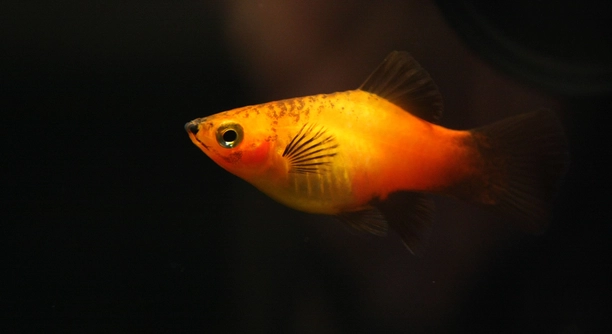
New platy fry require careful attention to thrive in their early days. Preparing the tank and understanding their needs can make a significant difference in their survival and growth. These young fish are delicate but rewarding to care for.
Proper preparation for new platy fry involves setting up a clean, well-filtered tank with stable water conditions and providing appropriate food in small quantities. Ensuring hiding spaces reduces stress and supports healthy development during their vulnerable stage.
Following these steps will help you create a safe and nurturing environment for your new platy fry. This guide will walk you through the essential preparations to get started right.
Setting Up the Tank for New Platy Fry
Before introducing platy fry, the tank must be ready to provide a stable and safe environment. Choose a tank size of at least 10 gallons to give them enough space to swim and grow. Use a gentle sponge filter to keep the water clean without creating strong currents that can stress the fry. The water temperature should be maintained between 74 and 78°F, which is ideal for their growth. Perform a partial water change before adding the fry to keep ammonia and nitrite levels low. Add some live plants or artificial hiding spots like small caves to give the fry places to hide from any aggressive tank mates. Proper lighting and regular monitoring of water parameters will ensure a healthy start for the young fish.
Proper tank setup supports the fry’s early development by reducing stress and preventing common health issues.
Providing a calm, clean environment helps the fry grow stronger and more resilient. Hiding spots also encourage natural behavior and reduce chances of being bullied or injured. These measures increase survival rates significantly, making it easier to care for the fry during their most vulnerable stage.
Feeding the New Platy Fry
Newborn platy fry need very small, frequent meals. Feed them infusoria, finely crushed flakes, or specially made fry food several times a day.
Young fry require food rich in protein to support fast growth. Initially, they rely on their yolk sac but need external feeding within a few days. Starting with infusoria or liquid fry food is crucial because their mouths are tiny. Gradually introduce finely crushed flakes or powdered fry food as they grow. Overfeeding should be avoided to prevent water quality issues. Remove any uneaten food after feeding to keep the tank clean. Feeding small amounts 3 to 5 times daily ensures the fry receive enough nutrition without overwhelming the filter system. Observing the fry during feeding helps gauge if the amounts are right and if they are eating well. Consistent feeding schedules contribute to their steady development and reduce stress.
Maintaining Water Quality
Regular water testing is essential to keep conditions safe for the fry. Check ammonia, nitrite, nitrate, and pH levels frequently.
Water quality directly impacts the health and survival of platy fry. Ammonia and nitrite should always read zero, as even low amounts can be harmful. Nitrate levels should be kept below 20 ppm to avoid stress. The pH should remain stable between 7.0 and 8.0. Conduct small water changes of about 20% twice a week to maintain these conditions without shocking the fry. Using a water conditioner will remove harmful chlorine and chloramines from tap water. Avoid overfeeding to reduce organic waste buildup. A well-maintained tank reduces disease risk and promotes steady growth.
Consistency in water testing and partial changes keeps the environment stable. Fry are sensitive to sudden changes, so slow adjustments are better. Keeping the tank clean encourages healthy behavior and lessens the chance of fungal or bacterial infections.
Monitoring Fry Health
Watch the fry closely for signs of illness or abnormal behavior. Early detection improves chances of recovery.
Healthy fry swim actively, eat well, and have clear eyes and smooth scales. Signs of trouble include lethargy, loss of appetite, clamped fins, or white spots. These symptoms may indicate infections or water quality problems. Quarantine any sick fry to prevent spreading illness. Treat the tank with appropriate medications after researching the specific condition. Improving water quality and ensuring good nutrition supports recovery. Daily observation allows for quick action if problems arise. Keeping a journal of any changes helps track progress and identify recurring issues. Regular monitoring supports long-term success in raising strong, healthy platy fry.
Tank Mates for Platy Fry
Choose tank mates carefully to avoid stress or predation. Small, peaceful fish or a separate fry tank work best.
Avoid housing fry with large or aggressive fish that may eat them. Shrimp and snails can be good companions, as they do not harm fry. If possible, use a separate breeding tank to give fry the best chance to grow safely without competition.
Gradual Introduction to Adult Food
After a few weeks, slowly introduce adult platy food to the fry’s diet.
Start mixing finely crushed flakes with fry food, increasing the adult food proportion as they grow. This transition helps fry develop properly and prepares them for the diet they will eat as adults. Monitor their ability to eat larger pieces and adjust accordingly to prevent waste or nutritional gaps.
Preparing for Growth
As fry grow, increase swimming space and adjust care.
More space supports their activity levels and social behavior. Consider upgrading tank size and maintaining water quality to support their development into healthy adults.
FAQ
How often should I feed platy fry?
Platy fry need frequent feedings because they grow quickly and have small stomachs. Feed them small amounts 3 to 5 times daily using infusoria, liquid fry food, or finely crushed flakes. Overfeeding can harm water quality, so remove uneaten food after 15 minutes.
Can I keep adult platies with the fry?
Adult platies may eat the fry, especially when the fry are very small. It’s best to keep fry in a separate tank or a breeding box until they are large enough to avoid being eaten. Small, peaceful tank mates like snails or shrimp are safer options.
What water temperature is best for platy fry?
Keep the water temperature between 74°F and 78°F. This range supports healthy growth and keeps fry active. Avoid sudden temperature changes, as fry are sensitive and can become stressed easily.
How important are plants in the fry tank?
Plants provide hiding spots, help improve water quality, and reduce stress. Live plants like Java moss or floating plants work well. If live plants aren’t an option, artificial plants or decorations with small hiding spaces also help protect the fry.
How long do platy fry take to grow?
Platy fry grow quickly and can reach about 1 inch in 6 to 8 weeks under proper care. Their growth rate depends on water quality, diet, and tank conditions. Keeping these factors consistent ensures healthy development.
What should I do if my fry get sick?
Remove sick fry to a quarantine tank if possible. Check water parameters first to rule out water quality issues. Use appropriate treatments based on the illness, such as antifungal or antibacterial medication. Early detection and treatment improve survival chances.
Is it necessary to use a sponge filter for fry?
Yes, sponge filters are gentle and provide good filtration without strong currents that can harm the fry. They also help cultivate beneficial bacteria, which keeps the water healthy and supports the fry’s immune system.
How often should I change the water in the fry tank?
Perform small water changes of about 20% two times a week. This keeps toxins low while avoiding sudden changes in water chemistry. Always treat tap water with a conditioner before adding it to the tank.
Can I use regular fish food for platy fry?
Regular adult fish food is too large for fry to eat. Use finely crushed flakes or specialized fry food during the first few weeks. Gradually introduce adult food as the fry grow bigger and can handle larger pieces.
How can I tell if my fry are eating enough?
Healthy fry will be active and growing steadily. Watch them during feeding to see if they eagerly eat the food offered. If many fry seem lethargic or weak, they may need more frequent or varied feedings.
What are signs of stress in platy fry?
Signs include hiding constantly, gasping at the surface, clamped fins, or erratic swimming. Stress can come from poor water quality, strong currents, or aggressive tank mates. Adjusting tank conditions usually helps reduce stress.
Should I feed live food to platy fry?
Live foods like baby brine shrimp or microworms are excellent for fry growth because they are nutritious and easy to eat. However, live food isn’t always necessary if good quality powdered or frozen fry foods are available.
Can I keep fry in the same tank as adult fish after they grow?
Once fry reach about 1 inch and look healthy, they can usually join the main tank. Monitor them closely at first to ensure they are not bullied or outcompeted for food by adult fish.
Why are my platy fry not growing?
Poor growth often results from inadequate feeding, poor water quality, or stress. Make sure you provide frequent feedings with suitable food, maintain stable water parameters, and avoid overcrowding or aggressive tank mates.
What is the best way to clean a fry tank?
Avoid deep cleaning or disturbing the tank too much. Regular partial water changes and gently cleaning the filter or decorations will maintain a healthy environment without stressing the fry.
Can I breed platies without separating the fry?
It’s possible, but many fry will be eaten by adults if not separated. For better survival rates, use a breeding tank or breeding box until the fry grow large enough to avoid predation.
Taking care of new platy fry requires patience and attention to detail. From setting up the right tank environment to feeding them properly, every step plays a role in their survival and growth. Fry are delicate and need stable water conditions, gentle filtration, and a consistent feeding schedule. By providing hiding places and avoiding aggressive tank mates, you reduce their stress and increase their chances of thriving. Monitoring water quality regularly and performing partial water changes are key tasks to keep the environment safe and healthy for the fry.
Feeding the fry correctly is just as important as maintaining their tank. Their tiny mouths mean they need very small, frequent meals with food designed for young fish. Starting with infusoria or liquid fry food and gradually introducing crushed flakes ensures they get the right nutrients without overwhelming the tank with waste. Overfeeding can quickly lead to poor water quality, so it’s important to remove uneaten food. Watching the fry during feeding times helps you see if they are eating enough or if adjustments are needed. This careful feeding supports their fast growth and helps build strong, healthy fish.
Finally, keeping a close eye on the fry’s health and behavior allows for early detection of any problems. Sick or stressed fry often show changes in activity, appearance, or appetite. Acting quickly by improving water quality or treating illnesses can make a big difference. As the fry grow, gradually introducing adult food and providing more space will prepare them for life as mature fish. These steps help ensure your platy fry develop well and become lively additions to your aquarium. Consistency and care make the process rewarding and successful.

Hello,
If you enjoy the content that we create, please consider saying a "Thank You!" by leaving a tip.
Every little bit helps us continue crafting quality advice that supports the health, happiness, and well-being of pets around the world, for pets of all shapes, sizes, and species.
We really appreciate the kindness and support that you show us!