
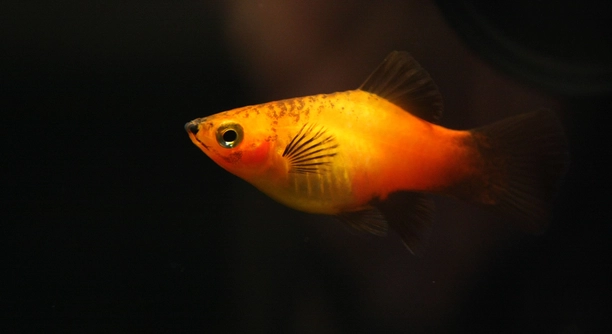
Platies are popular aquarium fish known for their bright colors and peaceful nature. Sometimes, these fish may lie sideways, which can be concerning for owners. Understanding this behavior can help ensure their well-being and prompt care when needed.
Platies lying sideways often indicate health issues such as swim bladder disorders, infections, or water quality problems. These conditions affect their buoyancy and balance, causing the fish to tilt or float unnaturally, which requires prompt attention to prevent further complications.
Recognizing the reasons behind this behavior is important for maintaining a healthy tank environment and providing the right care for your platies.
Common Causes of Sideways Swimming in Platies
Platies may swim sideways due to various health and environmental issues. One common cause is swim bladder disorder, which affects their ability to control buoyancy. This problem may arise from overfeeding, constipation, or infections. Another factor is poor water quality, which can stress fish and lead to abnormal behavior. Infections caused by bacteria or parasites can also impact their swimming. It is essential to monitor tank conditions regularly and maintain clean water to prevent these issues. Observing other symptoms such as lethargy, loss of appetite, or discoloration can help identify the underlying problem. Addressing these causes early can improve your platy’s health and reduce the chances of long-term damage. Proper diet and avoiding sudden changes in the tank environment are also important to keep platies active and balanced. Overall, maintaining a stable and clean habitat is key to preventing sideways swimming.
Maintaining good water quality and a balanced diet helps keep platies healthy and less prone to swim bladder issues.
When platies lie sideways, it signals something is off in their environment or health. Regular water tests and feeding a varied diet can prevent many problems. Removing uneaten food and cleaning the tank weekly reduces toxins that harm fish. If you spot sick fish, isolating them quickly prevents spread. Using medications recommended for swim bladder infections or parasites can improve symptoms. Consulting a vet experienced with fish is a good step for persistent cases. Small changes in care often lead to big improvements in behavior and well-being.
How to Help Your Platy Recover
If your platy is lying sideways, first check water parameters like temperature, pH, ammonia, and nitrite levels. Sudden changes in these can shock fish and cause swimming issues. Next, try fasting the fish for a day or two to relieve constipation. Feeding shelled peas after fasting can help clear their digestive system. If infection is suspected, use appropriate antibiotics or antifungal treatments following instructions carefully. Always quarantine sick fish to avoid contaminating others. Maintain consistent tank conditions and avoid overcrowding to reduce stress. Monitoring the fish closely during recovery ensures early detection of any worsening symptoms. Recovery times vary, but with proper care, most platies return to normal swimming within a week or two.
Patience and careful attention to tank conditions are essential when helping a sideways-lying platy recover.
Helping a platy regain normal swimming requires consistency and observation. Keep the tank clean and stable, provide a healthy diet, and isolate the affected fish if needed. Avoid drastic water changes during recovery, as these can cause more stress. Continue to test water quality regularly and treat any infections promptly. Over time, with proper care and attention, your platy should regain strength and balance, resuming normal activity and bright colors. This approach reduces risks and supports long-term health for your fish.
Preventing Sideways Swimming in Platies
Keeping your tank clean is the first step in preventing swimming problems. Regular water changes and removing waste help maintain healthy water conditions. Feeding a balanced diet in appropriate amounts also supports your platy’s health and reduces digestive issues that affect swimming.
Consistent water testing is important to catch issues early. Ammonia, nitrite, and nitrate levels should stay within safe limits to avoid stressing fish. Avoid overcrowding, as too many fish increase waste and competition, which can impact behavior. A stable environment with proper filtration helps prevent infections and swim bladder problems. Observing your fish daily allows you to notice changes quickly and act before conditions worsen.
Providing a diet rich in fiber helps keep platies’ digestive systems working properly. Overfeeding or feeding only flakes can lead to constipation, which affects buoyancy. Variety in food, including live or frozen options, encourages natural behavior and improves overall health. Maintaining stable water parameters and avoiding sudden changes also reduce stress that can cause swimming difficulties.
When to Consult a Veterinarian
If your platy’s sideways swimming continues despite proper care, consulting a veterinarian is advised. Persistent symptoms may indicate serious internal issues or infections requiring professional treatment.
A vet can diagnose conditions beyond common causes like swim bladder disorder or infections. They may recommend specific medications or tests to identify hidden problems. Early intervention often leads to better outcomes, preventing long-term harm. If your platy shows additional signs such as lethargy, abnormal spots, or swelling, a veterinary consultation becomes more urgent. Don’t delay if symptoms worsen or if multiple fish are affected. Professional advice ensures your fish receives the correct care tailored to its condition.
Identifying Swim Bladder Issues
Swim bladder problems are a frequent cause of sideways swimming in platies. These issues affect their balance and buoyancy control, leading to awkward positioning in the water. Early signs include difficulty swimming straight or floating unevenly.
Swim bladder disorder can result from infections, constipation, or physical injury. Recognizing these symptoms early allows for quicker intervention, improving recovery chances.
Proper Tank Maintenance
Maintaining clean water is essential for platy health. Regular water changes, proper filtration, and monitoring water parameters reduce stress and prevent diseases that affect swimming behavior.
Feeding Tips to Avoid Constipation
Feeding your platies a varied diet that includes fiber helps prevent constipation. Avoid overfeeding and remove uneaten food promptly to maintain digestive health.
Monitoring Fish Behavior
Pay close attention to changes in swimming patterns or activity levels. Early detection of unusual behavior can prevent serious health issues and keep your platies thriving.
FAQ
Why does my platy lie sideways but still eat?
Sometimes, platies can still eat even if they are lying sideways because the issue may be mild or only affecting their balance. Swim bladder problems or constipation can cause this, but the fish’s appetite might remain normal. Eating helps keep them strong, but you should still address the cause to prevent worsening symptoms.
Can poor water quality cause platies to swim sideways?
Yes, poor water quality can stress platies and lead to abnormal swimming behavior. High ammonia, nitrite, or nitrate levels irritate their gills and nervous system, which can result in loss of balance or sideways swimming. Regular water tests and changes keep the tank safe for your fish.
Is sideways swimming always a sign of illness?
Not always. Sometimes platies rest or sleep on their side briefly, which can be normal. However, persistent sideways swimming often points to health issues like swim bladder disorder, infections, or digestive problems. Watch for other signs such as lethargy, lack of appetite, or physical changes.
How long does it take for a platy to recover from swim bladder problems?
Recovery time varies depending on the cause and treatment. With proper care, diet changes, and water conditions, platies often improve within a week or two. Severe infections or injuries may take longer and sometimes require medication. Patience and observation are key during recovery.
What foods help prevent swim bladder problems?
High-fiber foods like shelled peas, daphnia, and certain vegetables can help reduce constipation, a common cause of swim bladder issues. Avoid overfeeding flakes or pellets, which can be hard to digest. Offering a balanced diet with occasional live or frozen foods supports digestive health.
Should I isolate my platy if it swims sideways?
Isolating a sick platy can help prevent spreading infections and reduce stress from tank mates. Use a quarantine tank if possible, especially if you notice signs of infection like spots, redness, or swelling. Isolation also allows easier monitoring and targeted treatment.
Can swim bladder issues be caused by overfeeding?
Yes, overfeeding often leads to constipation, which can affect the swim bladder. Excess food builds up in the digestive tract, putting pressure on the swim bladder and causing buoyancy problems. Feeding small, controlled portions helps avoid this.
Are there medications to treat swim bladder disorders?
Some swim bladder issues caused by bacterial or parasitic infections can be treated with antibiotics or antiparasitic medications. It is important to correctly diagnose the problem first. Overuse of medication can harm fish, so follow veterinary advice or product instructions carefully.
How often should I clean my platy’s tank?
Cleaning frequency depends on tank size and stocking, but a partial water change of 20-30% weekly is recommended. Remove uneaten food and waste regularly to maintain water quality. Consistent cleaning prevents toxins that stress fish and cause health problems.
Can stress cause a platy to swim sideways?
Yes, stress from sudden changes, poor water quality, or aggressive tank mates can cause erratic swimming, including sideways movement. Minimizing stress through stable tank conditions and peaceful companions helps keep platies healthy and balanced.
What is the best water temperature for platies?
Platies thrive in water between 72°F and 78°F (22°C to 26°C). Temperatures outside this range can weaken their immune system and increase the risk of swimming problems. Use a reliable heater and thermometer to maintain consistent warmth.
How do I know if my platy has an infection?
Signs of infection include discoloration, visible spots or lesions, frayed fins, lethargy, and abnormal swimming. If your platy lies sideways and shows these symptoms, an infection might be present. Prompt treatment improves chances of recovery.
Is sideways swimming contagious among platies?
The behavior itself is not contagious, but if it results from an infectious disease, that disease can spread to other fish. Keeping the tank clean and isolating sick fish helps control infections and protect your entire aquarium.
Can physical injury cause sideways swimming?
Yes, injury from rough handling, tank decorations, or aggressive fish can damage a platy’s swim bladder or muscles. Injured fish may swim sideways until they heal. Providing a safe, calm environment reduces injury risks.
What role does tank size play in platy health?
Small tanks can lead to poor water quality and stress, increasing swim bladder issues. A minimum of 10 gallons is recommended for platies, allowing enough space and stable conditions for healthy swimming and growth. Proper filtration is also important.
Is it normal for platies to sometimes float upside down?
Floating upside down is usually a serious sign of swim bladder disorder or illness. Unlike brief sideways resting, this indicates a loss of control and requires immediate attention. Improving water quality and diet is essential in these cases.
Final Thoughts
Platies lying sideways in an aquarium can be concerning, but understanding the causes helps manage the problem effectively. Most often, sideways swimming is related to health or environmental issues like swim bladder disorder, poor water quality, or infections. These factors interfere with the fish’s ability to balance and swim normally. Regular tank maintenance and careful observation are important to catch problems early. By monitoring water parameters and providing a clean environment, you reduce the risk of these issues developing. Keeping your platies healthy requires ongoing attention to their habitat and diet.
Proper feeding plays a significant role in preventing swimming problems in platies. Overfeeding or feeding low-quality foods can cause constipation, which affects their swim bladder and buoyancy. A varied diet that includes fiber-rich foods supports digestion and overall health. When platies experience digestive discomfort, their swimming may become irregular or tilted. Small changes like fasting for a day or feeding peas can help ease constipation. Along with good nutrition, isolating sick fish and using appropriate treatments when necessary will support recovery and prevent the spread of infections.
Patience and consistency are key when addressing sideways swimming in platies. Recovery depends on identifying the cause and making necessary adjustments to care and environment. Some cases improve quickly with simple changes, while others may require medication or veterinary attention. It is important to act promptly when symptoms appear and continue monitoring your fish. Over time, maintaining stable tank conditions, balanced feeding, and careful observation will help your platies live healthy, active lives without swimming difficulties. Staying informed and proactive ensures your fish thrive in their home.

Hello,
If you enjoy the content that we create, please consider saying a "Thank You!" by leaving a tip.
Every little bit helps us continue crafting quality advice that supports the health, happiness, and well-being of pets around the world, for pets of all shapes, sizes, and species.
We really appreciate the kindness and support that you show us!