
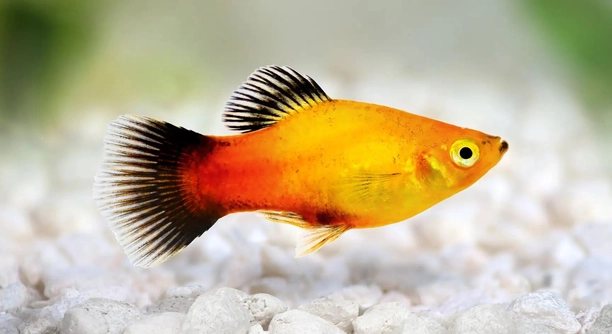
Do you ever find yourself watching your platies swirl around each other, unsure if they’re being playful or picking a fight?
Platies may appear to be fighting when they are actually engaging in courtship behavior. Flirting often involves chasing, circling, and light nipping, while fighting tends to be more aggressive, persistent, and causes injury or stress.
Recognizing the difference can help you keep your aquarium peaceful and your fish happy in the long run.
How to Spot Flirting Behavior in Platies
Flirting in platies often looks like a gentle chase. The male usually swims closely behind the female, showing off his fins and following her movements. This can look fast-paced, but it usually stays calm and doesn’t involve biting or stress. He may swim in circles around her or flick his fins to get her attention. Some females might swim away or ignore him if they’re not interested, which is also normal. As long as both fish seem healthy and there’s no sign of damage, this kind of behavior is usually harmless and part of natural mating. Bright colors and active swimming are signs they’re in good health and just expressing interest. Watching this back-and-forth behavior for a few minutes can help you tell if it’s playful and mutual or one-sided. Once you’ve seen it a few times, it becomes easier to recognize as part of normal tank life.
Look for signs like chasing without nipping, active swimming, and no torn fins or hiding.
If both fish stay calm between interactions and don’t show signs of injury or fear, it’s likely flirting. Over time, you’ll notice patterns that help you feel more confident in what’s happening. Understanding this can help you maintain a peaceful tank.
How to Tell If Your Platies Are Actually Fighting
Fighting in platies is more aggressive and doesn’t stop easily. You might notice one fish constantly chasing another, biting fins, or blocking access to food and space. The chased fish may hide behind decorations or stay near the tank bottom. Injuries like torn fins or missing scales can be signs that it’s more than just playful behavior. Males are more likely to fight, especially if there are not enough females or space in the tank. Keeping only one male with several females can reduce tension. Fights often happen when fish feel crowded, stressed, or territorial. Unlike flirting, fighting doesn’t look balanced—one fish usually dominates, and the other clearly tries to escape. Watch your fish closely for a few days. If one is constantly stressed or injured, it may be time to separate them or adjust your tank setup. Clean water, hiding spots, and enough room all help reduce conflict.
Common Triggers for Fighting in Platies
Stress is a big cause of fighting. It can come from overcrowding, poor water quality, or too few hiding places in the tank. When platies feel unsafe or irritated, they’re more likely to act out and become aggressive with one another.
Tank size plays a big role in platy behavior. A small tank doesn’t give them enough space to swim freely, making them feel trapped or territorial. Overcrowding with too many fish in a tight space can increase stress levels, especially among males. Adding more decorations, plants, or caves gives platies places to hide and cool off. Keeping one male with two or more females helps avoid constant chasing. Make sure the water is clean and the temperature is stable, as sudden changes can also upset them. If one fish is acting out, check the environment first before removing them from the tank.
Uneven male-to-female ratios are another common reason for fights. When there are too many males and not enough females, the competition becomes intense. Males may constantly chase the females or each other, leading to injuries or stress. It’s best to keep a ratio of one male to two or three females. This helps spread out the attention and lowers aggressive behavior. If needed, rearrange the tank layout to break up line-of-sight and give each fish some space. Avoid adding new fish too quickly, as this can cause tension. Let the tank settle after each change before introducing more fish to keep everything calm and balanced.
How to Help Your Platies Get Along
Platies need a calm space to thrive. A peaceful tank starts with enough room to swim and places to hide. Giving them clean water and the right tankmates helps avoid stress and reduce the chance of fighting.
A 20-gallon tank is a good minimum size for a small group of platies. Adding live plants, rocks, and decorations creates breaks in sight and reduces tension between fish. A well-decorated tank gives fish places to hide and rest. Avoid putting in aggressive species that might chase or nip at your platies. Stick with peaceful fish like tetras or guppies that won’t cause trouble. Maintain regular water changes and use a filter that keeps the tank clean without too much current. Feeding a balanced diet helps too, since hungry fish are more likely to get pushy. If fights continue, consider separating the troublemaker or adding more females to shift the balance.
Signs That a Fight Has Gone Too Far
Torn fins, missing scales, or bleeding are clear signs the aggression is serious. If a fish is hiding all the time, skipping meals, or breathing heavily, it may be injured or too stressed to recover on its own.
When fighting leads to visible damage or illness, it’s time to act. Separate the injured fish into a different tank or a breeder box to let it heal. Keep the water extra clean and monitor its behavior for signs of improvement or infection.
When to Separate Platies
If one fish constantly bullies another, even after changing the tank layout or adding hiding spots, separation is needed. Moving the aggressive fish into a different tank can calm things down. In some cases, reintroducing the fish later after a few days apart helps reset their behavior.
What Healthy Interaction Looks Like
Healthy platies swim freely, interact calmly, and show no signs of injury or stress. You may still see light chasing, especially among males, but it shouldn’t lead to hiding or damage. Peaceful tanks often have balanced numbers, stable water, and enough room for all fish.
FAQ
How can I tell if my platies are just playing or actually fighting?
Platies that are playing or flirting usually chase each other gently without biting or causing harm. Their fins stay mostly intact, and they swim actively without signs of stress. Fighting involves persistent chasing, biting, and visible injuries like torn fins or missing scales. If one fish is hiding a lot or looks stressed, it is likely a fight, not play.
Can platies fight over food?
Yes, platies can get aggressive when feeding time comes, especially if food is scarce or unevenly distributed. Males may push each other to get better access to food. To avoid this, feed small amounts several times a day and spread the food evenly around the tank. This reduces competition and helps keep peace during meals.
Does tank size affect platy aggression?
Definitely. Small tanks make platies feel cramped and territorial, increasing the chance of fights. A tank of at least 20 gallons is recommended for a small group, giving them enough room to swim and avoid each other when needed. More space usually means less tension and healthier fish.
Is it normal for male platies to chase females?
Yes, males chase females as part of their mating behavior. This chasing is usually gentle and stops if the female swims away or hides. If chasing becomes constant and stressful, it may mean there are too many males or the tank is overcrowded. Adjusting the male-to-female ratio helps reduce stress.
What is the best male-to-female ratio for platies?
The ideal ratio is one male to two or three females. This reduces constant chasing and aggression among males, since females can spread out the attention. Too many males in a tank cause fights over females, leading to stress and injury.
Can changing decorations help reduce fighting?
Yes, rearranging or adding decorations can break up lines of sight and create hiding spots. This makes the environment less stressful and stops dominant fish from always chasing others. Plants, rocks, and caves work well to provide refuge and calm the tank.
How often should I clean my platy tank to reduce stress?
Regular maintenance is important. Clean the tank and change 20-30% of the water every week to keep the environment healthy. Dirty or toxic water stresses fish and can increase aggression. Using a filter helps maintain good water quality between cleanings.
What should I do if my platies are fighting badly?
First, try to improve the tank conditions: check water quality, add hiding spots, and adjust the male-to-female ratio. If fights continue or cause injuries, separate the aggressive fish or the injured ones into a different tank until they recover. Keep monitoring the group closely for changes.
Can platies recover from fighting injuries?
Yes, platies can heal well if given time and proper care. Keep injured fish in a clean, quiet tank with stable water conditions. Adding aquarium salt (according to package instructions) can help prevent infections. Healing usually takes a few weeks if there are no serious wounds.
Are some platy breeds more aggressive than others?
Platies generally have similar temperaments across breeds, but individual personalities vary. Some fish may be naturally more dominant or active, leading to occasional aggression. Observing their behavior helps you decide if an individual needs to be separated or if tank changes are necessary.
Is it normal for platies to nibble on each other’s fins?
Light nibbling can be part of courtship or establishing social order. However, persistent or hard biting that damages fins is not normal and should be addressed. Providing enough space, hiding spots, and a proper male-to-female ratio helps reduce harmful nibbling.
Can I keep platies with other fish species without fighting?
Platies are peaceful and do well with other calm, non-aggressive species like tetras, mollies, or guppies. Avoid keeping them with aggressive or fin-nipping fish that might provoke fights. Compatibility depends on tank size and the personalities of individual fish.
What signs indicate a stressed platy?
Signs include hiding for long periods, loss of appetite, rapid breathing, clamped fins, and faded colors. Stress often comes from poor water conditions, overcrowding, or bullying by other fish. Identifying stress early allows for quick action to improve their environment.
How long do platy fights usually last?
Short chases or nudges that last a few seconds are normal during flirting or social play. Prolonged fighting lasting several minutes or repeated attacks over days is problematic and needs attention. Constant aggression can cause injury and stress, requiring intervention.
Does adding more females stop platy fighting?
Adding more females can help spread male attention and reduce aggressive chasing. This lowers competition between males and gives females more space to escape. However, be careful not to overcrowd the tank, which can cause other problems.
Are platies territorial?
Platies are mildly territorial, especially males during breeding or when space is limited. They may defend small areas around hiding spots or feeding zones. Providing enough space and decorations helps reduce territorial disputes and keeps the tank peaceful.
When you keep platies, understanding their behavior helps create a peaceful tank environment. It can sometimes be tricky to tell if they are flirting or fighting because both involve chasing and movement. Flirting is part of their natural courtship and usually doesn’t cause harm or stress. Fighting, on the other hand, is more aggressive and can lead to injury or illness. By watching their interactions closely and knowing what signs to look for, you can better care for your fish and keep them happy.
A few simple changes can make a big difference if fighting does happen. Making sure your tank is large enough with plenty of hiding spots helps reduce stress and aggression. Keeping the right number of males and females is also important. Too many males often lead to more fighting. Regular tank cleaning and proper feeding habits play a role too, as unhealthy or hungry fish tend to be more aggressive. If you see signs of injury, separating the fish and giving them time to heal will help prevent serious problems.
Overall, caring for platies is rewarding when you understand their social needs. They are peaceful fish that enjoy swimming and interacting in a calm space. Paying attention to their behavior and tank conditions helps you enjoy watching them without worry. With the right setup, your platies will thrive and show natural, healthy behaviors that make them interesting to observe. Taking small steps to prevent fights keeps your aquarium a safe and comfortable home for all your fish.

Hello,
If you enjoy the content that we create, please consider saying a "Thank You!" by leaving a tip.
Every little bit helps us continue crafting quality advice that supports the health, happiness, and well-being of pets around the world, for pets of all shapes, sizes, and species.
We really appreciate the kindness and support that you show us!