
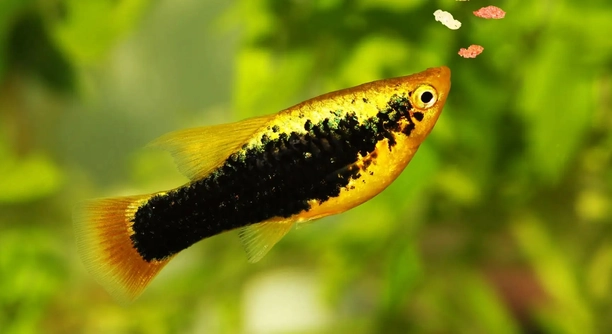
Many new platy owners are excited to welcome these colorful fish into their homes. However, they often face challenges that can affect their fish’s health and happiness. Knowing common mistakes can help create a better environment for platies.
The most frequent errors include overfeeding, improper tank size, poor water quality, lack of proper filtration, inadequate diet, neglecting tank maintenance, and mixing incompatible fish species. These factors significantly impact platy health and can lead to stress or illness if not addressed properly.
Recognizing these pitfalls early can improve your success as a platy owner. Learning about each mistake will help protect your fish and create a thriving aquarium environment.
Overfeeding Your Platies
Overfeeding is one of the most common mistakes new platy owners make. It’s easy to think that more food means healthier fish, but this is not the case. Excess food quickly pollutes the tank, causing water quality to drop. Poor water quality stresses platies and makes them prone to disease. Many new owners feed their fish multiple times a day or give too large portions. The best approach is to feed only what your platies can consume within two to three minutes once or twice daily. Removing uneaten food after feeding helps keep the tank clean. This practice not only maintains water quality but also supports your fish’s overall health and longevity.
Feeding small, controlled amounts reduces waste and keeps the aquarium environment stable. It also prevents obesity in platies, which can cause health problems over time.
Managing feeding carefully ensures your platies get the nutrition they need without harming their tank environment. Proper feeding habits contribute to happier, healthier fish that live longer and thrive.
Choosing the Right Tank Size
A small tank is a common mistake when setting up for platies. Many believe these fish only need a tiny bowl or container, but platies require adequate space to swim and grow. An ideal tank size for a small group of platies is at least 20 gallons. Smaller tanks make it harder to maintain stable water parameters, which can stress the fish. Additionally, overcrowding leads to aggressive behavior and poor health. Giving your platies enough room allows them to behave naturally and reduces the risk of illness.
Providing a larger tank supports better water quality and makes maintenance easier. It also allows you to add plants and decorations that offer hiding spots, enriching the environment.
Proper tank size is essential for creating a comfortable habitat where platies can thrive. Investing in a suitable aquarium benefits both you and your fish by reducing stress and promoting natural behavior.
Ignoring Water Quality
Maintaining clean water is essential for platies. Poor water quality quickly leads to illness and stress. Many new owners overlook the importance of regular water testing and changes.
Regular testing of ammonia, nitrite, nitrate, and pH levels helps keep the tank safe. Platies prefer a pH between 6.8 and 8.0. Without monitoring, harmful substances can build up unnoticed, causing serious health issues. Changing 20-25% of the water weekly helps maintain stability. Avoid using untreated tap water, as chlorine and other chemicals are harmful. Using a water conditioner protects your fish.
Good water quality supports your platies’ immune systems and keeps their colors vibrant. Neglecting this can cause rapid health decline, making water care a top priority for new owners.
Lack of Proper Filtration
A proper filtration system is necessary for a healthy tank. Many new platy owners underestimate its importance, leading to dirty water and unhealthy fish.
Filters remove waste and toxins, preventing harmful buildup in the aquarium. They also promote oxygen circulation, which platies need to thrive. Choosing a filter rated for at least the tank’s volume ensures effective cleaning. A filter that is too weak won’t maintain good water conditions, while one that is too strong can stress the fish. Regular cleaning of the filter media preserves its efficiency without disturbing beneficial bacteria.
Proper filtration reduces the frequency of water changes and keeps the aquarium environment stable. This creates a healthier, less stressful home for your platies and helps prevent common illnesses related to poor water quality.
Inadequate Diet
Platies need a varied diet to stay healthy. Feeding only one type of food limits their nutrition and can lead to deficiencies.
Including high-quality flakes, frozen or live foods like brine shrimp and bloodworms provides essential nutrients. Variety keeps platies active and colorful.
Neglecting Tank Maintenance
Regular tank cleaning prevents waste buildup and keeps the environment stable. Skipping maintenance tasks risks water quality and fish health.
Changing a portion of the water weekly and cleaning decorations stops harmful bacteria growth. Proper upkeep supports your platies’ wellbeing.
Mixing Incompatible Fish
Not all fish get along with platies. Choosing aggressive or much larger tank mates causes stress and injury.
Platies do best with peaceful, similar-sized species. Careful selection reduces conflict and helps maintain harmony in your aquarium.
FAQ
How often should I feed my platies?
Feeding platies once or twice a day is enough. Give only as much food as they can eat in two to three minutes. Overfeeding causes leftover food to pollute the tank and harm water quality, which stresses your fish.
What is the best tank size for platies?
A minimum of 20 gallons is recommended for a small group of platies. This size provides enough swimming space and helps keep water parameters stable. Overcrowding can lead to stress and illness, so avoid keeping too many fish in a small tank.
How important is water testing?
Water testing is essential for maintaining a healthy aquarium. Test regularly for ammonia, nitrites, nitrates, and pH levels. Platies prefer a pH between 6.8 and 8.0. Monitoring water parameters helps you catch problems early and keep your fish healthy.
Can I use tap water directly in the tank?
No, untreated tap water contains chlorine and other chemicals harmful to fish. Always use a water conditioner to treat tap water before adding it to the tank. This removes toxins and makes the water safe for your platies.
What type of filter should I use?
Choose a filter rated for at least your tank’s volume. Proper filtration removes waste and toxins, promotes oxygen circulation, and keeps water clear. Avoid filters that create too strong a current, as this can stress platies.
How often should I clean the tank?
Perform partial water changes of 20-25% weekly. Clean decorations and vacuum the substrate to remove debris. Regular maintenance prevents harmful bacteria buildup and keeps the aquarium environment stable.
What should I feed my platies?
Offer a balanced diet including high-quality flake food, frozen or live foods like brine shrimp and bloodworms. A varied diet provides essential nutrients that keep platies healthy, active, and colorful.
Can platies live with other fish?
Yes, but choose peaceful, similar-sized species. Avoid aggressive or much larger fish that may stress or harm platies. Good tank mates promote a calm and healthy community environment.
Why are my platies losing color?
Loss of color can result from stress, poor water quality, or an inadequate diet. Check water parameters, improve feeding habits, and reduce tank stressors. Healthy conditions help platies maintain their bright colors.
How do I know if my platies are sick?
Common signs include lethargy, loss of appetite, faded colors, clamped fins, and unusual swimming behavior. Early detection and treatment improve recovery chances. Maintaining clean water and proper care reduces illness risk.
Is it necessary to add plants to the tank?
While not required, live plants improve water quality and provide hiding spots. They create a more natural environment that helps reduce stress and promote natural behaviors.
Can I keep only one platy?
Platies are social fish and do better in groups of at least three. A single platy may become lonely or stressed. Group living supports natural social behaviors and reduces anxiety.
How long do platies typically live?
With proper care, platies live about 2 to 3 years. Good water quality, a balanced diet, and a stress-free environment help extend their lifespan.
What temperature do platies prefer?
Platies thrive in water temperatures between 70°F and 78°F (21°C to 26°C). Keeping the temperature stable helps avoid stress and supports their immune system.
How can I prevent my platies from breeding too quickly?
If you don’t want many fry, avoid keeping too many males and females together. Separate sexes or use a breeding trap to control reproduction. Fry can quickly overpopulate a small tank.
Final Thoughts
Caring for platies can be very rewarding when done correctly. Avoiding common mistakes like overfeeding, poor water quality, and overcrowding helps create a healthy environment for these colorful fish. Proper care ensures that your platies stay active, vibrant, and live longer. Taking the time to learn about their specific needs makes a big difference. This includes choosing the right tank size, feeding a balanced diet, and maintaining clean water. These steps are essential to prevent stress and illness.
Many new owners underestimate the importance of tank maintenance and filtration. A well-filtered tank with regular water changes supports stable water conditions. This stability protects your fish from harmful toxins and keeps their immune systems strong. Also, providing enough space and selecting peaceful tank mates help reduce aggression and stress among fish. These factors contribute to a calm and balanced aquarium. Following these basic care guidelines creates a better home for your platies and makes fishkeeping more enjoyable.
Finally, patience and consistency are key to success with platies. It takes time to develop good habits and understand how your fish respond to their environment. Regular observation helps catch any problems early before they become serious. Keeping a routine for feeding, cleaning, and monitoring water quality is important. By giving your platies a stable, clean, and comfortable habitat, you support their health and happiness. Good care practices make platy ownership a positive experience for both you and your fish.

Hello,
If you enjoy the content that we create, please consider saying a "Thank You!" by leaving a tip.
Every little bit helps us continue crafting quality advice that supports the health, happiness, and well-being of pets around the world, for pets of all shapes, sizes, and species.
We really appreciate the kindness and support that you show us!