
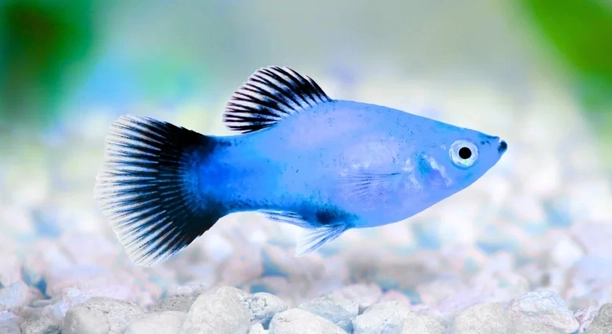
A swollen belly in platies is a common concern among fish keepers. This condition can signal different health or environmental issues affecting your pet. Understanding the causes helps maintain their well-being and keeps your aquarium balanced.
A platy’s belly may swell due to overfeeding, constipation, internal infections, or dropsy. Each cause affects the fish differently, but all lead to abdominal swelling that requires prompt attention to prevent further health complications.
Identifying the exact cause of swelling is important for effective treatment. The following information will guide you through common reasons and solutions to help your platy stay healthy.
Causes of a Platy’s Swollen Belly
A platy’s belly can swell for several reasons, each affecting the fish in a different way. Overfeeding is one of the most common causes. When they eat too much, food can build up in their digestive system, leading to constipation and swelling. Another cause is internal infections, which can result from poor water quality or injuries. These infections often cause fluid buildup inside the body. Dropsy is a serious condition characterized by swollen scales and a bloated belly, usually caused by kidney failure or bacterial infections. In some cases, parasites can also cause abdominal swelling. It’s important to observe your platy carefully and check for additional signs like lethargy, loss of appetite, or abnormal swimming. Addressing these issues quickly can improve your fish’s chances of recovery and keep the tank environment healthy for all inhabitants.
Early detection of swelling helps prevent worsening conditions and reduces treatment time.
Proper care and regular tank maintenance are key to avoiding many of these problems. Feeding your platy small amounts at regular intervals helps prevent overfeeding. Keeping the water clean by performing routine water changes reduces the risk of infections and parasites. If you notice any swelling, isolating the affected fish in a quarantine tank is advisable to stop the spread of disease. Consult a veterinarian or aquatic specialist if symptoms persist or worsen, as some conditions may require medication. Understanding these preventive measures ensures a healthier life for your platy and maintains a balanced aquarium.
How to Treat a Swollen Belly in Platies
When you spot a swollen belly, the first step is to check your feeding habits. Reducing the amount of food and switching to easily digestible options like peas can help relieve constipation. For infections or dropsy, medication is usually necessary. Antibiotics formulated for aquarium use can target bacterial infections effectively. It’s also important to maintain excellent water quality during treatment by frequently testing and changing the water. Keep the affected fish isolated to avoid stressing others and spreading illness. Observing your platy’s behavior throughout treatment provides clues about recovery progress. If swelling reduces and appetite returns, the treatment is likely working. However, if symptoms persist, further professional advice may be needed. Early action combined with proper care greatly improves the chances of your platy returning to health and enjoying a normal life.
Preventing Swollen Belly in Platies
Regular feeding control helps prevent bloating. Avoid giving too much food at once and stick to a balanced diet. Overfeeding can quickly lead to digestive issues and swelling.
Maintaining clean water is essential. Dirty water can introduce harmful bacteria and parasites that cause infections. Test water parameters like ammonia, nitrite, and nitrate regularly. Performing partial water changes every week keeps the environment stable and reduces stress for your platy. Stress weakens their immune system, making them more prone to illness and swelling. Using a good quality filter and avoiding overcrowding also help maintain water quality and fish health.
Watch for early signs of illness such as lethargy or loss of appetite. Addressing these symptoms quickly prevents swelling from becoming severe. Quarantine new fish before adding them to the main tank to avoid introducing disease. Small adjustments in care routines can greatly reduce the chances of your platy developing a swollen belly.
Common Mistakes to Avoid
Overfeeding remains the leading cause of swollen bellies in platies. Even small amounts of excess food can cause blockages. Feeding once or twice daily with portion control is best.
Ignoring water quality issues is another mistake. Poor water conditions promote infections and parasites that lead to swelling. Skipping water changes or neglecting to test water regularly increases these risks. Also, overcrowding tanks causes stress and spreads disease quickly among fish. Avoid mixing incompatible species that may harm your platy. Consistently following care guidelines and monitoring your tank’s conditions prevents many problems that result in swollen bellies. A proactive approach to feeding and tank maintenance supports your platy’s health and longevity.
Diet and Nutrition
A balanced diet prevents many health problems in platies, including swollen bellies. Feeding a mix of high-quality flakes, pellets, and occasional vegetables keeps their digestive system working well.
Including fiber-rich foods like peas helps reduce constipation. Avoid feeding too many fatty or processed foods that can cause bloating and poor digestion.
Water Quality Management
Keeping water clean and stable is crucial. Regular water testing ensures levels of ammonia, nitrite, and nitrate stay within safe limits. Proper filtration and timely water changes prevent harmful buildup that can stress fish and lead to illness.
Identifying Early Signs of Trouble
Swelling is often accompanied by lethargy, loss of appetite, and abnormal swimming. Watching for these signs allows early intervention before the condition worsens.
When to Seek Professional Help
If swelling does not improve after basic care, consulting an aquatic veterinarian or specialist is necessary. Early professional treatment increases the chance of recovery.
FAQ
Why is my platy’s belly swollen but it’s still eating?
A swollen belly with a good appetite can mean early constipation or mild infection. Sometimes, the fish’s digestive system is blocked but not severe enough to stop eating. Keep feeding small, digestible meals like peas and monitor water quality closely. If swelling persists, medical treatment might be needed.
Can overfeeding cause long-term damage to my platy?
Yes, overfeeding can lead to chronic digestive issues, fatty liver disease, and weakened immune function. These problems make your platy more vulnerable to infections and reduce its lifespan. Feeding appropriate amounts and maintaining a clean tank helps prevent lasting harm.
How do I know if my platy has dropsy?
Dropsy shows as a swollen belly along with raised, pinecone-like scales. The fish may appear lethargic and have difficulty swimming. This condition often indicates serious internal infection or organ failure. Immediate isolation and treatment are necessary, but prognosis can be poor.
Is it safe to treat a swollen belly at home?
Mild cases like constipation can often be treated with dietary changes at home. However, infections or dropsy usually require antibiotics or specialized medication. If unsure, consulting a vet or fish specialist is safer to avoid worsening the problem.
What kind of food helps reduce constipation in platies?
Boiled and peeled peas are a natural laxative and help relieve constipation. Feeding small portions of fiber-rich vegetables, such as zucchini or spinach, can also improve digestion. Avoid feeding too many dry flakes or pellets at once, which may cause blockages.
How often should I perform water changes to prevent swelling?
Weekly water changes of 20-30% help maintain water quality. More frequent changes may be needed if the tank is overcrowded or if water tests show high levels of ammonia or nitrates. Clean water reduces stress and the chance of infections that cause swelling.
Can stress cause a platy’s belly to swell?
Stress itself doesn’t directly cause swelling but weakens the immune system, making the fish more susceptible to infections and parasites that lead to bloating. Reducing overcrowding, avoiding sudden changes, and providing hiding spots helps keep stress levels low.
Are there any tank mates that cause swelling in platies?
Aggressive or fin-nipping fish can injure platies, allowing bacteria to enter and cause infections. Avoid keeping platies with large, aggressive species or fish known for bullying. Peaceful, compatible tank mates reduce injury risk and help maintain a healthy environment.
How long does it take for a swollen belly to heal?
Recovery time depends on the cause. Constipation may improve within a few days with proper diet changes. Infections or dropsy can take weeks to treat and sometimes may not fully heal. Early detection and treatment improve recovery chances.
What should I do if my platy’s swelling gets worse?
If swelling worsens, isolate the fish immediately to prevent spreading disease. Test water parameters and improve water quality. Administer appropriate medication if an infection is suspected. Contact an aquatic vet or specialist for advice if there is no improvement within a few days.
Can parasites cause a platy’s belly to swell?
Yes, internal parasites can cause bloating and other health problems. Parasites often come from live or frozen foods, new fish, or contaminated water. Quarantining new fish and treating the tank if parasites are suspected helps protect your platies.
Is it normal for female platies to have a larger belly?
Female platies often have fuller bellies, especially when gravid (carrying eggs). This natural swelling is usually symmetrical and without other signs of illness. However, if the swelling is uneven or the fish shows distress, further health issues should be checked.
Can temperature changes cause swelling in platies?
Sudden or extreme temperature changes stress fish and can weaken their immune systems, leading to infections that cause swelling. Maintaining a stable temperature between 72-78°F (22-26°C) helps keep platies healthy.
Are there any natural remedies for treating a swollen belly?
Dietary changes like feeding peas or fasting for a day can help with mild constipation. Some hobbyists use aquarium salt to improve fish health, but it must be used carefully. For infections, natural remedies are less reliable; proper medication is recommended.
How do I prevent swollen bellies in future platies?
Feed a balanced diet in controlled amounts, maintain clean and stable water conditions, avoid overcrowding, and quarantine new fish. Regular observation of your platies helps catch early signs of health problems before they worsen. Consistent care is the best prevention.
Swollen bellies in platies are a common concern but can usually be managed with proper care and attention. Many causes, such as overfeeding, constipation, infections, or dropsy, can lead to this issue. Understanding these causes helps fish owners take the right steps to support their platy’s health. Feeding small amounts of food and providing a balanced diet is one of the simplest ways to avoid swelling. It prevents digestive problems that often lead to bloating. Keeping the aquarium clean and testing water quality regularly also plays a critical role in preventing infections and maintaining a healthy environment for your fish.
When a platy shows signs of swelling, it is important to act quickly. Observing other symptoms like lethargy, loss of appetite, or unusual swimming patterns can give clues about the severity of the problem. Mild cases, such as constipation, can sometimes be treated at home by adjusting diet and feeding habits. However, if swelling is caused by infections or dropsy, medication may be necessary. Isolating the affected fish in a quarantine tank helps prevent the spread of disease. In such situations, seeking advice from an aquatic veterinarian or fish expert can improve treatment outcomes and increase the chance of recovery.
Prevention is the best approach to avoid a swollen belly in platies. Consistent care, including controlled feeding, regular water changes, and avoiding overcrowding, supports overall fish health. It is also important to quarantine new fish before introducing them to the main tank, reducing the risk of spreading parasites or infections. By following these simple care practices and paying attention to changes in your platy’s behavior or appearance, you can help ensure they live a long, healthy life. Swollen bellies are not always a sign of serious illness, but addressing them early helps keep your aquarium thriving.

Hello,
If you enjoy the content that we create, please consider saying a "Thank You!" by leaving a tip.
Every little bit helps us continue crafting quality advice that supports the health, happiness, and well-being of pets around the world, for pets of all shapes, sizes, and species.
We really appreciate the kindness and support that you show us!