
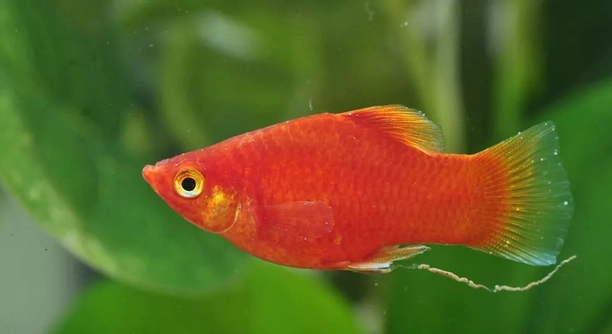
Platies are popular freshwater fish admired for their vibrant colors and peaceful nature. Many hobbyists enjoy keeping them but want their fry to grow quickly and stay healthy. Proper care and environment are essential for faster growth.
The growth rate of platy fry depends largely on water quality, nutrition, temperature, and tank conditions. Providing optimal conditions such as clean water, a balanced diet, and suitable temperature encourages healthy development and faster growth of young platies.
Understanding these factors helps create the best environment for your fry. This article will outline practical ways to support their growth effectively.
Maintain Optimal Water Quality
Clean water is essential for platy fry to grow well. Regular water changes help remove waste and harmful chemicals that can slow growth. Testing the water for ammonia, nitrites, and nitrates ensures a safe environment. Avoid overcrowding the tank, as too many fish increase stress and pollution. Using a gentle filter keeps the water clear without disturbing the fry. Maintaining stable pH and temperature also contributes to better water quality. These steps reduce stress and support healthy development, allowing fry to thrive.
Water should be changed weekly by about 20-30%, using dechlorinated water at the same temperature as the tank to prevent shock.
Keeping water quality consistent encourages steady growth in platy fry. Stable conditions reduce illness and promote strong immune systems. Monitoring parameters and adjusting as needed helps maintain an ideal habitat. The combination of cleanliness and stability supports natural behavior and feeding. This creates a healthy environment where fry can grow faster and develop properly.
Provide a Balanced Diet
A proper diet directly impacts the growth rate of platy fry. Feeding small, frequent meals of high-quality food supplies the nutrients needed for healthy development. Foods like finely crushed flakes, micro pellets, and live or frozen foods such as baby brine shrimp or daphnia offer essential proteins and vitamins. Avoid overfeeding to prevent water quality issues. Supplementing diet variety ensures the fry get all necessary nutrients to support rapid growth.
Proper nutrition strengthens fry and helps them build muscle and energy reserves.
Feeding a varied and nutritious diet improves survival rates and growth speed. Protein-rich foods aid tissue repair and development, while vitamins promote overall health. Rotating food types prevents deficiencies and keeps fry interested in eating. It’s important to remove uneaten food to maintain water quality. Over time, consistent feeding with appropriate portions will help your platy fry grow into vibrant, healthy adults. This careful approach to diet supports their natural growth patterns and vitality.
Control Tank Temperature
Maintaining the right temperature is crucial for platy fry growth. Ideal water temperature should stay between 75°F and 80°F (24°C to 27°C). This range supports metabolic activity and helps fry digest food efficiently.
If the water is too cold, fry growth slows down because metabolism decreases. Too warm, and oxygen levels drop, causing stress and health problems. Use an aquarium heater with a reliable thermostat to keep temperature stable. Sudden fluctuations should be avoided to prevent shock. Monitoring the temperature daily ensures it stays within the safe range, promoting steady development and overall health in the fry.
Consistent temperature improves feeding response and activity levels. It also encourages better immune function, helping fry resist disease. Maintaining this balance results in stronger and faster-growing platy fry over time.
Provide Hiding Places
Platy fry need hiding places to feel secure and reduce stress. Plants, small decorations, and floating cover create safe spots where fry can rest and avoid aggression from tank mates.
Dense plant growth or spawning mops mimic natural environments, offering protection. This reduces competition and injury, allowing fry to focus on feeding and growing. Adding these elements also improves water quality by providing surfaces for beneficial bacteria. Hiding places contribute to a balanced ecosystem in the tank, which supports healthier fish. Ensuring the fry have enough cover is an important part of tank setup to encourage faster, safer growth.
Keep the Tank Clean
A clean tank prevents harmful buildup that can stunt fry growth. Regular removal of uneaten food and debris keeps water safe.
Using a siphon during water changes helps remove waste from the substrate. Clean tanks promote healthier, faster-growing fry by reducing stress and disease risks.
Avoid Overcrowding
Too many fry in one tank causes competition for food and space. This leads to slower growth and weaker fish.
Maintaining appropriate stocking levels gives each fry enough room to swim and access food. Overcrowding increases waste, lowering water quality and overall health.
Use Proper Lighting
Consistent lighting supports natural behavior and helps plants grow, which benefits fry. Too much or too little light can stress fish.
Moderate lighting for about 8–10 hours daily simulates natural day cycles. This balance encourages feeding and activity, helping fry grow efficiently.
Monitor Growth Progress
Tracking fry growth helps identify problems early. Regular observation ensures they are healthy and developing as expected.
Noticing changes in size, behavior, or health allows timely adjustments in care. Monitoring supports faster growth by addressing issues before they worsen.
FAQ
How often should I feed platy fry?
Feeding platy fry small amounts 3 to 4 times a day works best. They have tiny stomachs and digest food quickly, so frequent feeding keeps them nourished without polluting the water. Make sure to remove any uneaten food to maintain cleanliness.
What is the best food for platy fry?
High-quality fry food like crushed flakes or micro pellets is ideal. Live or frozen foods such as baby brine shrimp, daphnia, and microworms provide excellent protein and promote faster growth. A varied diet ensures they receive all essential nutrients.
Can I keep adult fish with platy fry?
It’s generally best to keep fry separate from adult fish. Adults may eat the fry or outcompete them for food. Using a breeder box or separate tank protects young fish during their vulnerable early stages.
How important is water temperature for fry growth?
Water temperature plays a critical role in metabolism and growth rates. The ideal range is between 75°F and 80°F (24°C to 27°C). Temperatures outside this range can slow growth or cause stress, making fry more susceptible to disease.
How often should I change the water for platy fry?
Changing 20-30% of the water weekly helps keep conditions stable and clean. Always use dechlorinated water at the same temperature to avoid shocking the fry. Regular water changes reduce toxins and improve oxygen levels.
What signs indicate poor water quality?
Look for cloudy water, strong odors, and stressed fish behavior such as lethargy or gasping at the surface. Frequent illness or slow growth also points to water quality problems. Testing ammonia, nitrites, and nitrates regularly helps catch issues early.
Are hiding places necessary for fry?
Yes, hiding spots reduce stress and aggression from other fish. Plants, decorations, or spawning mops offer shelter where fry can rest safely. Less stress means better growth and survival rates.
How quickly do platy fry grow?
Under ideal conditions, platy fry start showing noticeable growth within a few weeks and can reach juvenile size in about 2-3 months. Growth depends on diet, water quality, and temperature, so consistent care is key.
Can I use tap water for platy fry?
Tap water can be used if properly treated to remove chlorine and chloramines. Using a water conditioner is essential. Let the water reach the correct temperature before adding it to the tank to prevent stress or shock.
What is the best tank size for raising platy fry?
A small tank of 10 to 20 gallons is suitable for fry. It allows enough space for growth while keeping water parameters easier to control. Larger tanks require more maintenance but offer more swimming room and stability.
Final thoughts on helping platy fry grow faster focus on consistent care and attention to their environment. Growth depends largely on maintaining good water quality, providing proper nutrition, and keeping stable tank conditions. Regular monitoring of these factors helps prevent problems that can slow development or harm the fry. It is important to avoid rushing the process, as healthy growth takes time and patience. By following basic care guidelines, you give your fry the best chance to thrive and develop into strong, vibrant adult fish.
Temperature and tank setup also play vital roles in fry growth. Maintaining water between 75°F and 80°F ensures that their metabolism stays active, allowing them to digest food and grow properly. Including plants or decorations provides hiding places that reduce stress, which can otherwise stunt growth. Avoid overcrowding to minimize competition for food and space. These environmental factors, combined with proper feeding and clean water, create an ideal habitat where fry can grow steadily and healthily.
Overall, the key to faster platy fry growth is balance. It is necessary to provide the right food in appropriate amounts, keep water clean and stable, and ensure the tank environment supports their natural behavior. Regular care and observation help identify any issues early on, so adjustments can be made quickly. With time and consistent effort, your platy fry will reach their full potential and bring enjoyment as colorful additions to your aquarium. Patience and attention to detail make all the difference in their successful growth.

Hello,
If you enjoy the content that we create, please consider saying a "Thank You!" by leaving a tip.
Every little bit helps us continue crafting quality advice that supports the health, happiness, and well-being of pets around the world, for pets of all shapes, sizes, and species.
We really appreciate the kindness and support that you show us!