
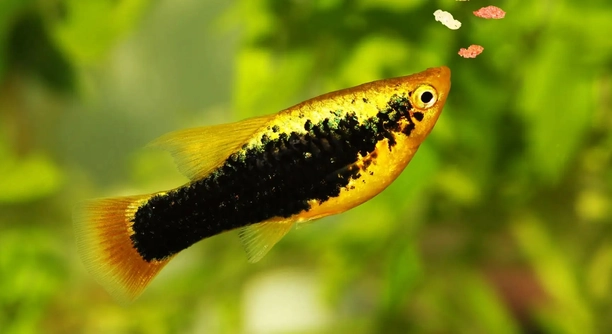
Platies are popular freshwater fish known for their bright colors and peaceful nature. Many fish enthusiasts keep them in home aquariums because they are easy to care for and interact well with other fish species. Understanding their behavior helps in providing a good environment.
Platies show signs of learning and memory comparable to many other small fish species. Studies indicate their cognitive abilities are neither superior nor inferior but typical for their size and ecological niche. Their behavior reflects adaptability rather than exceptional intelligence.
Exploring how platies think can reveal important insights into fish behavior and aquarium care. This information helps hobbyists better support their aquatic pets’ needs and wellbeing.
Understanding Platies’ Learning Abilities
Platies demonstrate simple learning skills, especially when it comes to recognizing their environment and food sources. They quickly adapt to new tank conditions and can remember feeding times. These fish respond to visual cues and changes in their surroundings, showing an ability to learn from experience. For instance, platies often swim to the surface when they recognize a familiar hand approaching with food. This behavior suggests they associate certain actions with feeding. However, their learning is based mostly on routine and repetition rather than complex problem-solving. Their memory span supports day-to-day survival but does not extend to advanced tasks. In comparison to larger or more active fish, platies focus on basic survival instincts like avoiding threats and finding food efficiently. This learning style fits their natural habitat and lifestyle, where quick adaptation is important but complicated strategies are not necessary.
Their learning ability helps them thrive in varied aquarium settings without much stress or confusion.
Platies’ memory and learning are practical for their needs. They show quick adaptation to daily routines but don’t demonstrate advanced intelligence like some other species. Their behavior centers on simple tasks that keep them safe and fed. This level of learning is sufficient for their survival and comfort in captivity. Understanding these limits can improve how we care for them, ensuring they receive consistent feeding and a stable environment that matches their natural instincts.
Comparing Intelligence Among Fish Species
Not all fish have the same cognitive skills. Some species, like cichlids or certain catfish, are known for more complex behaviors and problem-solving abilities. Platies, while adaptable, do not exhibit the same level of cognitive flexibility. Their intelligence aligns with their ecological niche as small, peaceful fish. They do not engage in elaborate social behaviors or strategies to the extent seen in more intelligent fish.
Fish intelligence varies widely, depending on the species’ habitat and survival strategies. Some fish display tool use or memory over longer periods. Others rely on instinct and simple learned behaviors. Platies fall into the latter category, focusing on routine and basic environmental interaction.
Recognizing these differences helps set realistic expectations for platies. They offer engaging behavior but within a limited range of learning. This understanding encourages providing an environment that supports their natural habits without expecting complex tasks or training. Such care improves their wellbeing and reduces stress in home aquariums.
How Platies Respond to Their Environment
Platies react quickly to changes in their tank. They notice new decorations, other fish, and shifts in lighting or temperature. These responses help them stay safe and comfortable.
When introduced to a new environment, platies explore carefully but adapt fast. They learn where to find food and hiding spots, adjusting their behavior accordingly. This flexibility makes them easy to care for in home aquariums. Platies are sensitive to water quality and temperature, so maintaining stable conditions is important. Sudden changes can stress them, but with consistency, they settle in well. Their natural curiosity encourages interaction with the environment without causing harm.
Their ability to adapt ensures they remain active and healthy. They respond best to calm, predictable surroundings that mimic their natural habitats. Keeping a regular routine benefits their wellbeing and encourages natural behaviors like foraging and social interaction.
Social Behavior of Platies
Platies are peaceful fish that enjoy being in groups. They use simple social cues to communicate, such as chasing or nudging. This keeps their social structure stable.
Social interaction is important for platies’ mental health. They rarely show aggression unless overcrowded or stressed. Groups help reduce anxiety and encourage natural activity. Platies often swim together, which gives them a sense of security. This schooling behavior also helps them avoid predators in the wild. Providing enough space and hiding spots in the tank supports these social needs. In smaller groups, they may become shy or less active, so a minimum of three or more is recommended. This balance keeps their environment healthy and comfortable for all inhabitants.
Platies’ Problem-Solving Skills
Platies show limited problem-solving abilities compared to some other fish. Their behavior is mainly instinctive, focusing on finding food and avoiding danger rather than solving complex tasks.
This simplicity fits their environment well. They rely on basic learning rather than reasoning or experimentation.
How Platies Learn From Experience
Platies can remember feeding schedules and associate certain signals, like a hand approaching the tank, with food. This shows they learn through repetition and routine. Their learning is based on consistent patterns rather than new or changing situations.
Memory Span of Platies
Platies have a short to medium memory span. They remember tasks or locations for hours to days, enough to navigate their environment safely and find food regularly.
The Role of Instinct in Platies
Instinct guides most of a platy’s actions. Their responses are driven by survival needs like eating, hiding, and socializing, more than conscious thought or decision-making.
FAQ
Are platies easy to train?
Platies are not easy to train like dogs or some larger fish. Their learning relies mostly on routine and repetition, such as recognizing feeding times. While they can learn simple associations, like responding to a hand near the tank, they do not respond well to complex training or commands.
Can platies recognize their owners?
Platies can recognize familiar figures by sight and associate them with food. They often swim to the surface when someone approaches the tank, showing recognition. However, this is more a learned behavior based on feeding than personal recognition like mammals show.
Do platies show signs of intelligence compared to other fish?
Platies display basic intelligence suited to their survival needs. They learn from experience and adapt to their environment but do not exhibit advanced problem-solving or social intelligence seen in some cichlids or larger fish species. Their intelligence level matches their small size and simple lifestyle.
How long is a platy’s memory?
Platies have a memory span long enough to remember feeding schedules and tank layout. This generally lasts from several hours to a few days. Their memory helps them navigate their environment and anticipate food but is limited compared to animals with more complex brains.
Can platies learn tricks?
Unlike some fish that can be trained to perform tricks, platies are less responsive to this kind of training. Their behavior focuses on survival and basic interaction, so expecting them to learn tricks is unrealistic. They respond better to consistent feeding routines than training attempts.
Do platies communicate with each other?
Platies use simple social behaviors to communicate, such as chasing or nudging, to establish social order or interact. This communication is basic and helps reduce conflict or coordinate movement within groups. They do not have complex communication methods like some other fish species.
What kind of environment helps platies learn and adapt?
Stable tank conditions with consistent feeding times and familiar surroundings help platies learn routines and adapt. A calm environment with minimal sudden changes reduces stress and encourages natural behaviors like exploring and social interaction.
Are platies naturally curious?
Platies show a moderate level of curiosity. They explore new tank decorations and check out changes in their environment. This curiosity helps them find food and hiding places but is balanced with cautious behavior to avoid threats.
Do platies recognize different tank mates?
Platies recognize other fish mainly by size and behavior, which helps them avoid threats or find companions. They do not form strong bonds but can identify aggressive or peaceful species, adjusting their own behavior accordingly to stay safe.
How important is social interaction for platies?
Social interaction is important for platies’ wellbeing. Being in groups reduces stress and encourages natural swimming and foraging behaviors. Isolated platies may become shy or less active, so keeping them in groups of three or more is best for their health and happiness.
Can platies learn to avoid dangers?
Platies rely on instinct and simple learning to avoid dangers. They remember stressful experiences like aggressive tank mates or sudden changes and adjust behavior to stay safe. Their learning is based on avoiding unpleasant stimuli rather than complex threat assessment.
Do platies show personality differences?
Individual platies can show subtle personality differences, such as being more active or shy. These differences affect how they interact with tank mates and explore their environment but are not linked to intelligence differences.
Is it possible to improve platies’ cognitive abilities?
Cognitive abilities in platies are mostly fixed and linked to their biology. Providing a stimulating environment with plants and hiding spots encourages natural behaviors, but expecting improved intelligence through training is unrealistic.
How do platies compare to bettas in intelligence?
Betta fish often show more complex behaviors like bubble nest building and territorial displays, indicating higher cognitive function. Platies are generally less aggressive and show simpler social and learning behaviors, reflecting differences in species and survival strategies.
Can platies remember negative experiences?
Yes, platies can remember negative experiences such as attacks or poor water conditions. This memory helps them avoid those situations in the future and seek safer parts of the tank. Their memory for negative events is important for survival and stress reduction.
Do platies recognize feeding times?
Platies quickly learn feeding schedules and often anticipate food by swimming to the surface at regular times. This behavior shows their ability to learn routines and helps maintain healthy eating habits when care is consistent.
Are platies good for beginner fish keepers?
Platies are excellent for beginners because they are hardy, adaptable, and easy to care for. Their simple learning needs and peaceful nature make them low-maintenance, allowing new fish keepers to enjoy aquarium keeping without advanced knowledge.
How do platies react to sudden changes in the tank?
Sudden changes in temperature, lighting, or tank mates can stress platies, causing hiding or reduced activity. They prefer stable, predictable environments. Gradual changes allow them time to adapt and reduce the risk of illness or stress-related behaviors.
Can platies learn to recognize different foods?
Platies can learn to recognize different food types and may show preference for certain pellets, flakes, or live food. This recognition comes from repeated feeding experiences rather than complex taste discrimination.
Do platies have instincts or learned behaviors?
Platies rely on a combination of instinct and learned behaviors. Instinct drives basic survival actions like hiding and schooling, while learned behaviors help them adapt to feeding routines and environment changes. Their behavior is a balance of both.
Platies are small fish with simple but effective ways of learning and adapting to their surroundings. Their intelligence matches their needs in nature and in home aquariums. They are not known for advanced problem-solving or complex social behavior, but they show clear signs of memory and routine learning. Platies respond well to consistent feeding schedules and familiar environments, which helps them feel secure and comfortable. Their ability to recognize food sources and remember tank layouts is enough for their survival and daily life. This level of intelligence suits their size and natural role as peaceful, easygoing fish.
While platies do not display behaviors considered highly intelligent compared to some other fish species, they do communicate and interact in simple ways. Socially, they use basic cues to maintain harmony and reduce conflict among tank mates. They prefer being in groups, which supports their mental wellbeing and encourages natural behaviors. Platies’ instincts play a large role in their behavior, guiding them to eat, hide, and swim safely without needing complex decision-making. Their adaptability is more about reacting to changes than planning or reasoning, which makes them well suited for beginner aquariums where routine and stability are priorities.
Overall, understanding platies’ cognitive limits helps provide better care. Accepting that they learn through repetition and routine rather than through training allows owners to create environments that meet their natural needs. A stable tank with regular feeding times and gentle social groupings encourages healthy behavior and reduces stress. Platies thrive when their basic instincts and simple learning processes are respected. This knowledge ensures these bright, peaceful fish remain happy and healthy in their aquatic homes.

Hello,
If you enjoy the content that we create, please consider saying a "Thank You!" by leaving a tip.
Every little bit helps us continue crafting quality advice that supports the health, happiness, and well-being of pets around the world, for pets of all shapes, sizes, and species.
We really appreciate the kindness and support that you show us!